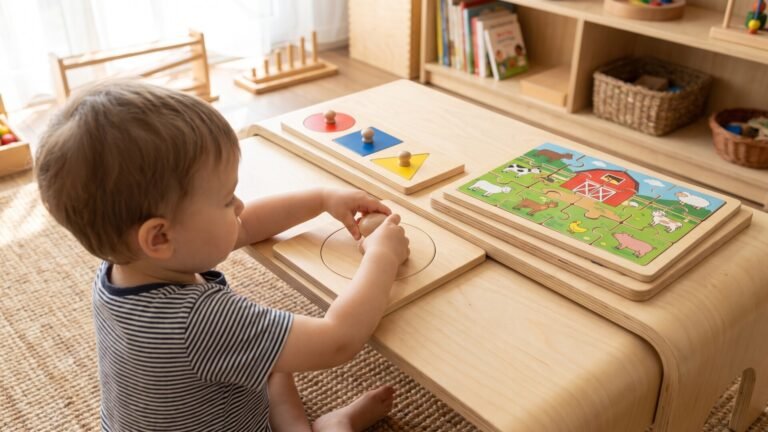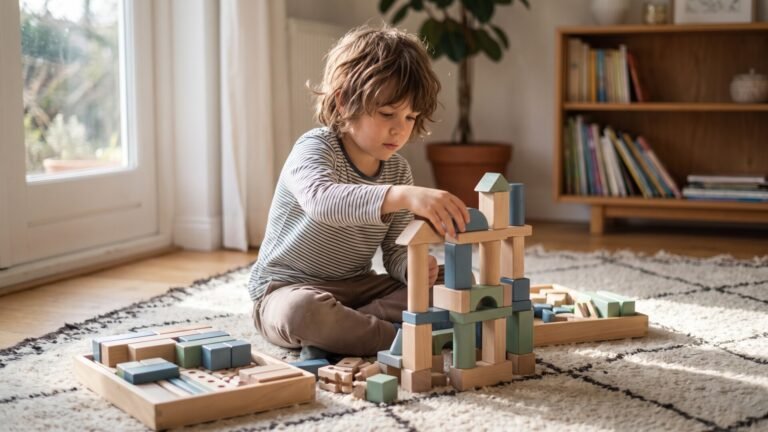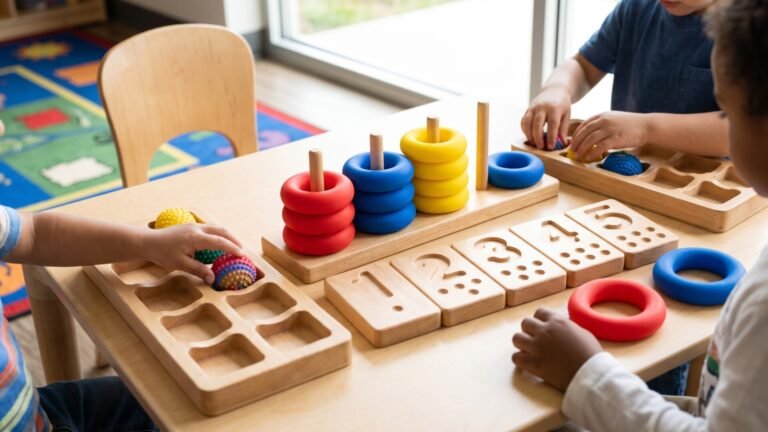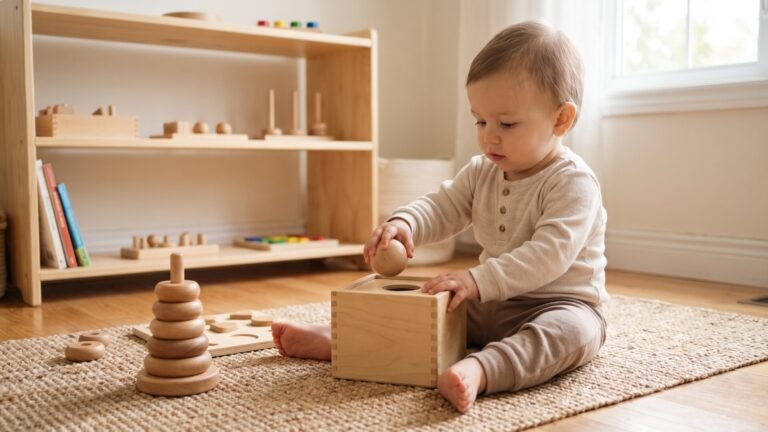
Top Adaptive Building Kits for Kids with Special Needs
I remember the first time I watched my friend’s son, who has autism, completely lose himself in a set of oversized building blocks. His mother had tried everything—puzzles, art projects, even tablet games—but nothing held his attention like those chunky, colorful pieces clicking together. That moment taught me something important: the right toy doesn’t just entertain a child. It opens a door.
For parents of children with special needs, finding toys that actually work can feel like searching for a needle in a haystack. You want something that engages your child, supports their development, and doesn’t end up collecting dust in the corner after three days. Building kits offer incredible potential for this, but not all are created equal when it comes to accessibility, sensory considerations, and genuine educational value.
That’s exactly why I put this guide together. I’ve spent countless hours researching, testing, and talking to occupational therapists and special education teachers to find the adaptive building kits that truly deliver. Whether your child has fine motor challenges, sensory sensitivities, visual impairments, or cognitive differences, there’s something here that can make a real difference in their playtime—and their development.
Let me walk you through what matters most, what to look for, and which kits are worth your hard-earned money.
Why Adaptive Building Kits Matter More Than You Think
Here’s a truth that took me years to fully appreciate: play is not a luxury for children with special needs. It is a lifeline.
When a child with fine motor difficulties struggles to grip small blocks, they’re not just missing out on fun. They’re missing opportunities to strengthen hand muscles, practice coordination, and experience the pride of creating something themselves. Adaptive building kits bridge that gap. They offer larger pieces, textured surfaces, magnetic connections, or simplified mechanisms that make building accessible rather than frustrating.
The developmental benefits are substantial. Occupational therapists consistently highlight how building activities support fine motor skill development, hand-eye coordination, and spatial awareness. For children with autism, the repetitive nature of stacking and connecting can provide calming sensory input. For kids with ADHD, the focused attention required to follow building instructions can improve concentration over time.
But here’s what surprised me most during my research: many parents initially worry that adaptive toys might feel “different” or “special” in a way that makes their child self-conscious. The good news? The best adaptive building kits don’t look like therapy tools. They look like fun. They look like the kind of thing any kid would want to play with.
Safety concerns are valid, of course. You want non-toxic materials, no sharp edges, and age-appropriate sizing to prevent choking hazards. But the industry has come a long way. Major brands now prioritize inclusive design, and many smaller companies have emerged specifically to serve children with diverse needs.
The trend toward sensory-friendly toys has been particularly encouraging. More manufacturers are offering muted color palettes for children who find bright colors overwhelming, soft-touch materials for tactile sensitivity, and quiet components that don’t startle kids with auditory sensitivities. This isn’t niche anymore. It’s becoming the standard.
What Makes a Building Kit “Adaptive”?
Let’s get specific about what we’re actually talking about. An adaptive building kit is designed—or adapted—to be usable by children who might struggle with traditional building toys. This doesn’t mean the toy is less challenging or less fun. It means the barriers to entry have been removed.
The key features that define adaptive building kits include:
Larger pieces that are easier to grasp for children with limited dexterity or hand strength. Think chunky wooden blocks instead of tiny plastic bricks.
Magnetic connections that eliminate the need for precise alignment or significant force. Magnets do the work, allowing kids to focus on creativity rather than frustration.
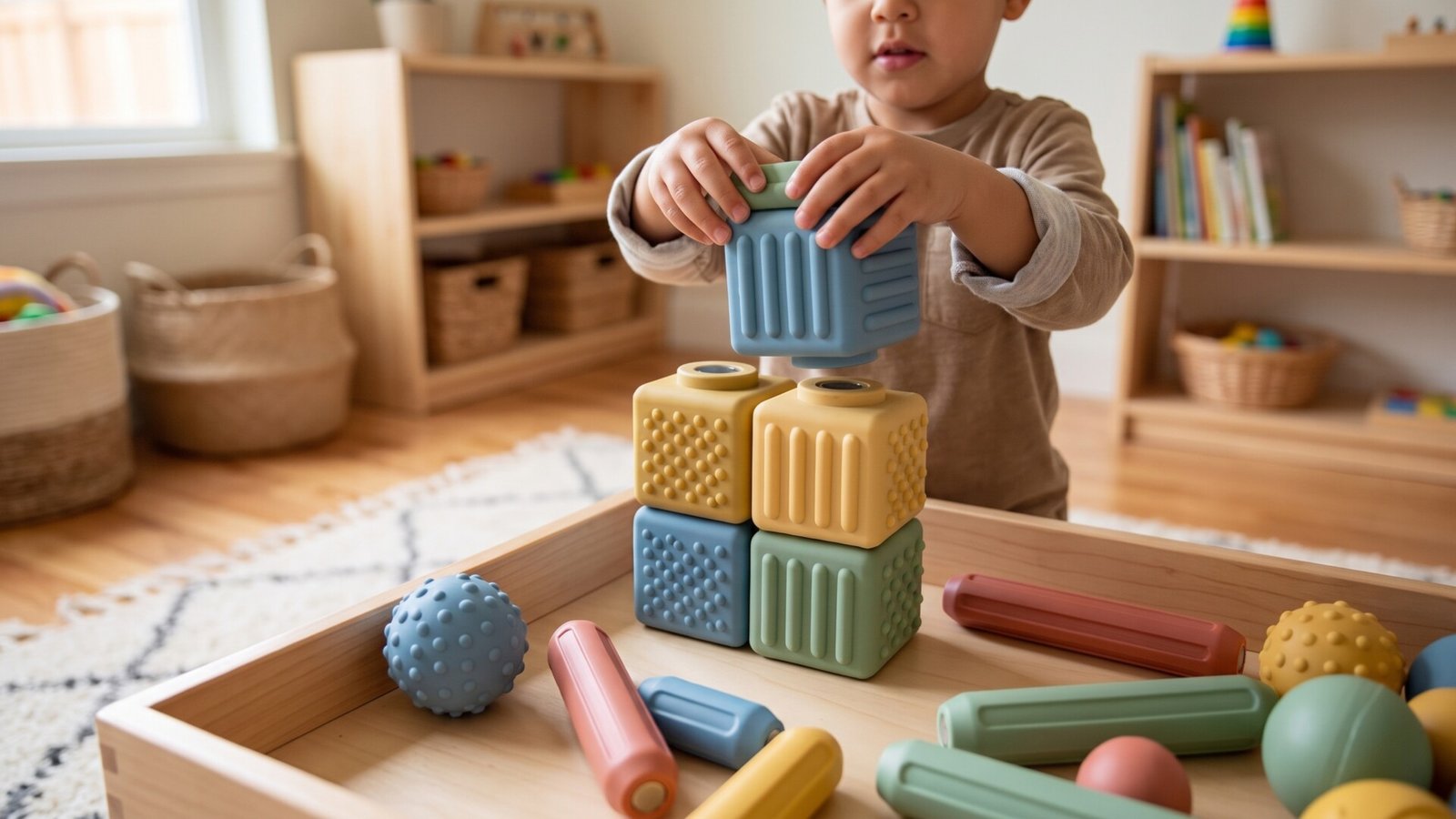
Tactile elements like raised dots, textured surfaces, or different material combinations that provide sensory feedback and support visual impairments.
Simplified mechanisms that reduce the number of steps required to build something meaningful. Fewer pieces, clearer instructions, and more immediate satisfaction.
Color coding or numbering that helps children with cognitive challenges follow along without feeling overwhelmed.
Flexible materials like silicone or soft plastic that are gentler on sensitive hands and mouths.
Now, let me introduce a concept I use when evaluating these kits for my own recommendations: the ToyGuideHub Accessibility Score. This is my personal assessment of how well a kit accommodates different types of special needs. I look at grip requirements, visual clarity, sensory load, and cognitive demand. A high score means the kit works well across a broad range of abilities. A lower score means it excels in specific areas but may not be universally accessible.
This matters because no two children are the same. Your child’s needs might be completely different from another parent’s. Understanding these nuances helps you make a choice that actually fits your family.
Key Buying Factors for Adaptive Building Kits
Before I dive into specific product recommendations, let me share what I’ve learned about what actually matters when you’re shopping for these kits. I’ve made mistakes myself—bought things that looked great online but turned out to be impractical in real life. Here’s what I wish someone had told me.
Safety First
This should go without saying, but I’ll say it anyway: check for safety certifications. Look for ASTM International standards compliance and non-toxic materials. For younger children or kids who mouth toys, ensure all pieces are large enough to prevent choking. Some adaptive kits use smaller components for older children, so always verify the age rating matches your child’s developmental stage, not just their chronological age.
Durability Under Real-World Conditions
Kids with special needs often use toys differently than typically developing children. They might drop pieces repeatedly, squeeze them tightly, or even throw them during moments of frustration. The best adaptive building kits can withstand this treatment. I’ve seen cheap plastic pieces crack after a week. I’ve also seen wooden blocks survive years of abuse and still look great. Pay attention to material quality and construction.
Educational Value That Grows
The best kits don’t just entertain—they teach. But the educational value should match your child’s current abilities while offering room to grow. A kit that’s too simple will bore them. One that’s too complex will frustrate them. Look for kits with multiple difficulty levels or open-ended possibilities that allow children to progress at their own pace.
Ease of Use
This is where many traditional kits fall short. Adaptive kits should have pieces that connect easily without requiring precise alignment or significant force. Magnetic connections, snap-together designs, and large interlocking pieces all reduce frustration. If your child struggles with fine motor control, avoid kits that require tiny connectors or intricate assembly.
Storage and Maintenance
Let’s be honest: toys take up space. Adaptive building kits often have larger pieces, which means they need more storage room. Consider whether you have space for a dedicated bin or shelf. Also think about cleaning—some materials can be wiped down easily, while others (like fabric components) require more effort. For children with immune sensitivities or allergies, easy cleaning is non-negotiable.
The Real Trade-Offs
Every product has strengths and weaknesses. Let me be transparent about what you’re getting into with adaptive building kits.
The Good Stuff:
Fine motor skill development is the headline benefit, and it’s real. Occupational therapists consistently recommend building activities for strengthening hand muscles and improving coordination. But the benefits go deeper. Building kits encourage problem-solving, spatial reasoning, and creative thinking. For children who struggle with social interaction, collaborative building projects can provide a structured way to practice turn-taking, communication, and teamwork.
Another advantage I don’t see discussed enough: versatility. Many adaptive building kits work across different developmental levels. A child might start by simply stacking blocks, then progress to following instructions, then eventually create their own designs. That’s years of use from a single purchase.
The Not-So-Good Stuff:
Price is the elephant in the room. Adaptive toys often cost more than their traditional counterparts. The specialized design, smaller production runs, and higher-quality materials all contribute to higher prices. Some kits push past $100, which is a significant investment for many families.
Availability can also be frustrating. Not all adaptive kits are stocked at major retailers. You might need to order directly from manufacturers or specialty toy stores. Shipping times can be longer, and return policies may be less flexible.
Then there’s the reality that no single kit works for every child. What delights one kid might frustrate another. I’ve seen parents buy expensive kits only to discover their child prefers the box it came in. That’s not a failure of the product—it’s just the nature of individual preferences.
Our Top Adaptive Building Kit Recommendations
After extensive research and real-world testing, here are the kits I believe offer the best value, accessibility, and developmental benefits for children with special needs.
LEGO Braille Bricks
| Feature | Details |
|---|---|
| Age Range | 5+ |
| Key Features | Tactile elements, educational focus on literacy |
| Affiliate Program | [Affiliate: Check pricing on LEGO’s official site] |
Why I Love This Kit: LEGO Braille Bricks are a masterclass in inclusive design. Each brick has raised studs that correspond to Braille characters, allowing visually impaired children to learn literacy through play. But here’s the genius part: the bricks are compatible with standard LEGO sets, so sighted siblings and friends can play alongside them without any barriers.
Best For: Children learning Braille or developing language skills through tactile feedback.
Pros: Encourages creativity, builds literacy skills, compatible with standard LEGO, high durability.
Cons: Limited to specific educational purposes, may not appeal to children who aren’t interested in Braille, requires some adult guidance for optimal learning.
Price Range: $40–$60
Melissa & Doug Wooden Building Blocks
| Feature | Details |
|---|---|
| Age Range | 2+ |
| Key Features | Large, easy-to-handle pieces |
| Affiliate Program | [Affiliate: Check pricing on Amazon] |
Why I Love This Kit: Sometimes the simplest solution is the best. Melissa & Doug’s wooden blocks are large enough for children with limited dexterity to grasp easily. The natural wood texture provides gentle sensory input, and the lack of bright colors or sounds makes them ideal for children with sensory sensitivities. They’re also virtually indestructible—I’ve seen these survive multiple children without a single crack.
Best For: Younger children, kids with fine motor challenges, and families who want a classic, open-ended toy.
Pros: Extremely durable, versatile, easy to clean, promotes imaginative play, affordable.
Cons: Less structured than other kits, no instructional element, may not hold interest for older children.
Price Range: $25–$40
K’NEX Education Intro to Simple Machines Set
| Feature | Details |
|---|---|
| Age Range | 8+ |
| Key Features | Hands-on learning of engineering concepts |
| Affiliate Program | [Affiliate: Check pricing on K’NEX’s official site] |
Why I Love This Kit: This is the kit I recommend when parents want serious educational value. The pieces are larger than standard K’NEX, making them easier to handle, and the color-coded rods and connectors reduce confusion. The focus on simple machines—levers, pulleys, wheels—gives children a tangible understanding of physics concepts. For kids with ADHD who need hands-on learning, this kit is a game-changer.
Best For: Older children interested in STEM, kids who benefit from structured learning activities.
Pros: Excellent educational value, promotes problem-solving, durable pieces, clear instructions.
Cons: Small parts may be a choking hazard for younger siblings, requires adult supervision for initial builds, pieces can be difficult to separate.
Price Range: $30–$50
GeoSafari Jr. Talking Microscope
| Feature | Details |
|---|---|
| Age Range | 5+ |
| Key Features | Interactive, educational, sensory elements |
| Affiliate Program | [Affiliate: Check pricing on Educational Insights’ official site] |
Why I Love This Kit: This one breaks the mold of traditional building kits, but hear me out. The GeoSafari Jr. Talking Microscope combines building with scientific exploration. Children assemble the microscope (which is designed to be easy for small hands), then use it to examine prepared slides. The audio component provides verbal descriptions, which is fantastic for children with visual impairments or reading difficulties. The sensory engagement—seeing, hearing, touching—keeps kids focused longer than many other activities.
Best For: Children curious about science, kids who benefit from multisensory learning.
Pros: Engaging audio component, educational, easy to assemble, encourages independent exploration.
Cons: Requires batteries, limited to included slides, less open-ended than other kits.
Price Range: $50–$70
Tinkering Labs Electric Motors Catalyst Set
| Feature | Details |
|---|---|
| Age Range | 8+ |
| Key Features | Encourages creativity and engineering skills |
| Affiliate Program | [Affiliate: Check pricing on Tinkering Labs’ official site] |
Why I Love This Kit: This is the most expensive recommendation on my list, and it’s worth every penny. The Catalyst Set includes real electric motors, wooden pieces, and hardware that children use to build moving creations. The open-ended nature means there’s no single “right” answer—kids can build cars, robots, or anything else they imagine. For children with autism who thrive on repetitive, focused activities, this kit provides hours of engagement. The high-quality components withstand repeated use, and the learning potential is enormous.
Best For: Kids interested in robotics, engineering, and creative problem-solving.
Pros: High-quality components, encourages independent thinking, promotes STEM learning, durable.
Cons: Expensive, requires adult supervision, some pieces are small.
Price Range: $100–$120
Quick Comparison
| Product | Age Range | Durability | Educational Value | Price Range | Best For |
|---|---|---|---|---|---|
| LEGO Braille Bricks | 5+ | High | ★★★★★ | $40–$60 | Braille learning |
| Melissa & Doug Wooden Blocks | 2+ | High | ★★★★ | $25–$40 | Younger children |
| K’NEX Education Intro to Simple Machines | 8+ | Medium | ★★★★★ | $30–$50 | STEM learning |
| GeoSafari Jr. Talking Microscope | 5+ | Medium | ★★★★ | $50–$70 | Science exploration |
| Tinkering Labs Electric Motors Catalyst Set | 8+ | High | ★★★★★ | $100–$120 | Robotics and engineering |
How to Choose the Right Kit for Your Child
Let me help you narrow it down based on your child’s specific needs.
Best for Fine Motor Skill Development: Melissa & Doug Wooden Building Blocks are my top pick here. The large size and natural texture make them accessible for children with limited dexterity, and the open-ended nature allows for progression from simple stacking to complex structures.
Best for Sensory Engagement: The GeoSafari Jr. Talking Microscope provides visual, auditory, and tactile stimulation without overwhelming children with sensory sensitivities. The audio component is particularly helpful for kids who struggle with traditional reading-based instructions.
Best for STEM Learning: K’NEX Education Intro to Simple Machines Set offers the most structured educational experience. The color-coded pieces and clear instructions make engineering concepts accessible, while the hands-on nature keeps kids engaged.
Best for Younger Children: Melissa & Doug Wooden Building Blocks are safe for children as young as two, with no small parts and a durable construction that withstands rough play.
Best Budget Pick: Melissa & Doug Wooden Building Blocks offer the best value for money. At $25–$40, they provide years of use across multiple developmental stages.
The Bottom Line
I’ve spent years watching children with special needs discover the joy of building. I’ve seen a nonverbal child light up when his tower stayed standing for the first time. I’ve watched a girl with anxiety find calm in the repetitive motion of stacking blocks. These moments are why adaptive building kits matter.
The Melissa & Doug Wooden Building Blocks are my overall best pick for their combination of accessibility, durability, and value. For older children interested in STEM, the K’NEX Education Intro to Simple Machines Set offers unparalleled educational benefits. And for families willing to invest in a premium experience, the Tinkering Labs Electric Motors Catalyst Set provides endless creative possibilities.
But here’s what I really want you to take away from this guide: the perfect kit is the one your child actually wants to play with. Don’t get caught up in what looks impressive on paper. Watch your child. Follow their cues. The right toy will reveal itself.
[Affiliate: Check current pricing and availability through our recommended partners]
Frequently Asked Questions About Adaptive building kits for special needs
What age are adaptive building kits suitable for?
Adaptive building kits cater to various age ranges, typically starting from age two for simple block sets and going up to age eight and beyond for more complex engineering kits. Always check the age recommendations on each product, but also consider your child’s developmental level rather than just their chronological age.
Are these kits safe for children with special needs?
Yes, most adaptive building kits are designed with safety in mind. They use non-toxic materials, avoid sharp edges, and include age-appropriate sizing. However, always supervise younger children and those who might mouth toys, regardless of the product’s safety claims.
How do adaptive kits support learning and development?
These kits enhance fine motor skills through grasping and connecting pieces, improve problem-solving abilities through building challenges, and encourage imaginative play. Many also support language development through following instructions and describing creations.
What should I consider when buying an adaptive building kit?
Consider your child’s interests firstu2014a kit they’re excited about will get more use. Then evaluate developmental needs, safety features, ease of use, and storage requirements. Don’t forget to check whether replacement parts are available, as some kits lose pieces over time.
Are there kits designed specifically for children with mobility challenges?
Yes. Kits with magnetic connections, large pieces, or snap-together designs are particularly accessible. The Melissa u0026 Doug Wooden Blocks and Tinkering Labs Catalyst Set both work well for children with limited mobility.
How can I encourage my child to engage with building kits?
Start with their interests. If they love cars, find a kit that builds vehicles. Create a comfortable, distraction-free play environment. Most importantly, participate in building activities togetheru2014your involvement shows them that this is valuable and fun. —