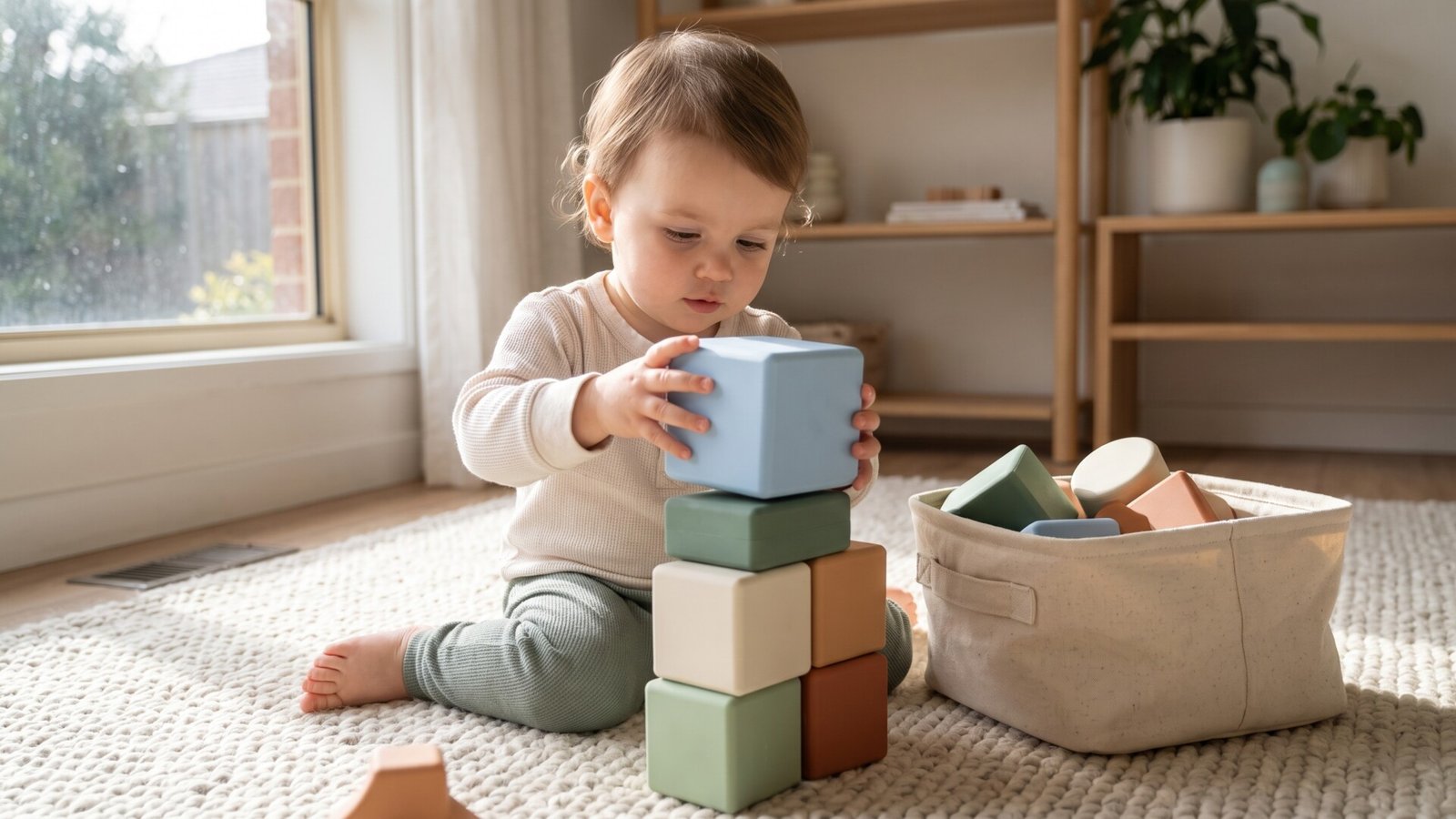
Top Quiet Construction Sets for Sensitive Toddlers
I remember the moment it hit me. My nephew, a sweet, easily overwhelmed little guy, was sitting in a room full of traditional plastic building blocks. Every time another child dropped a bucket of them, he flinched. The constant clatter and bang sent him into a spiral of tears. I watched his mom, exhausted, scoop him up and retreat to a quieter corner. That day, I realized something crucial: for sensitive toddlers, the noise of play can be just as distressing as the frustration of a toppled tower.
If you’re reading this, you probably know that feeling. You’ve seen your child shrink away from the chaos of a typical playroom. You want to nurture their creativity and fine motor skills, but not at the cost of their peace. The good news? There’s a whole world of quiet construction sets designed specifically for little ones who need calm, focused play. These aren’t just toys; they’re tools for building confidence, concentration, and joy—without the sensory overload.
In this guide, I’ll walk you through the best quiet construction sets available today. We’ll explore what makes them special, how to choose the right one for your child, and what most reviews don’t tell you about long-term use. By the end, you’ll have a clear, confident decision to make your home a haven for creativity and calm.
Let’s build something beautiful together.
Why Quiet Construction Sets Matter for Sensitive Toddlers
Let’s talk about the why behind these toys. For a sensitive toddler, the world can feel like a noisy, unpredictable place. A dropped block, a sudden crash, even the high-pitched squeak of plastic on plastic can trigger a stress response. This isn’t just about being “picky” or “difficult.” It’s about a nervous system that processes sensory input more deeply.
Quiet construction sets address this head-on. By eliminating harsh sounds, they allow a child to stay in a state of calm engagement—what experts call “flow.” This is where real learning happens. When a child isn’t bracing for the next loud noise, their brain is free to explore spatial relationships, cause and effect, and creative problem-solving.
The developmental benefits are profound. Construction play builds fine motor skills as little fingers grasp, stack, and balance. It strengthens spatial awareness as they figure out how pieces fit together. And it fosters creativity—there’s no “right” way to build, only endless possibilities. For sensitive toddlers, this kind of open-ended play is a lifeline. It gives them control in a world that often feels overwhelming.
I’ve seen it firsthand. A quiet set of wooden blocks can transform a child who’s constantly on edge into a focused, joyful builder. The thud of a soft block is a world away from the crack of a hard plastic one. It’s not just about noise reduction; it’s about creating a safe space for exploration.
There’s also a growing trend toward sensory-friendly toys. Parents are becoming more aware that not all children thrive in loud, chaotic environments. The demand for quiet options is rising, and manufacturers are responding. This is a wonderful shift, because it means more choices for families who need them.
What Exactly Are Quiet Construction Sets?
Before we dive into specific products, let’s clarify what we’re talking about. A quiet construction set is any building toy designed to minimize noise during play. This can be achieved through materials, design, or both.
Traditional construction toys—think hard plastic bricks or metal pieces—create a lot of noise when dropped, stacked, or knocked over. Quiet sets use softer materials like wood, foam, silicone, or fabric. They might have magnetic connections that click softly rather than snap loudly. Some use interlocking tabs instead of friction fits that squeak.
Key features to look for include:
- Soft or lightweight materials: Foam blocks, wooden pieces with rounded edges, or silicone shapes.
- Silent connections: Magnets, velcro, or simple stacking without locking mechanisms.
- Sound-dampening design: Pieces that are coated or padded to reduce impact noise.
You’ll also encounter terms like “sensory-friendly” and “open-ended.” Sensory-friendly means the toy is designed to avoid overwhelming sensory input—no bright flashing lights, loud sounds, or harsh textures. Open-ended means the toy has no single purpose; it can be used in countless ways, encouraging creativity.
There are several types of quiet construction sets:
- Foam blocks: Soft, lightweight, and virtually silent. Great for the youngest toddlers.
- Wooden blocks: Classic, durable, and naturally quiet. They have a satisfying thud rather than a sharp click.
- Magnetic tiles: These click together with a soft magnetic pull. They’re quieter than plastic bricks but still offer that satisfying connection.
- Silicone building sets: Flexible, soft, and completely silent. Perfect for teething toddlers who also like to chew.
- Fabric blocks: Often filled with soft stuffing or beans, these are the quietest option of all.
Understanding these distinctions will help you choose the right set for your child’s temperament and developmental stage.
Key Factors to Consider When Buying
Choosing a quiet construction set isn’t just about picking the prettiest box. Here’s what I’ve learned from years of testing and watching kids play.
Safety First
This is non-negotiable. Look for non-toxic materials, especially if your toddler is still mouthing toys. Wooden blocks should be finished with water-based, lead-free paint. Foam should be phthalate-free and flame-retardant-free. Always check the age recommendation—small parts can be a choking hazard for children under three.
Durability Matters
Quiet doesn’t mean fragile. A good set should withstand enthusiastic building and the occasional tumble. Wooden blocks are generally the most durable. Foam can tear if chewed. Magnetic tiles can crack if dropped on a hard floor. Read reviews for long-term wear.
Educational Value
The best quiet construction sets do more than occupy hands. They stimulate cognitive development. Look for sets that include a variety of shapes, sizes, and colors. Some sets come with pattern cards or activity guides that introduce concepts like symmetry, balance, and geometry.
Ease of Use
For a toddler, frustration kills play. The pieces should be easy to grasp, stack, and connect. Avoid sets with tiny, fiddly parts. Magnetic tiles are excellent for little hands because they require minimal force. Wooden blocks are also forgiving—they stack easily and fall without drama.
Storage and Maintenance
Let’s be real: toys need to be stored. Look for sets that come with a storage bag, bin, or box. This makes cleanup a learning opportunity rather than a chore. Maintenance is also key. Wooden blocks can be wiped with a damp cloth. Foam blocks may need spot cleaning. Avoid sets that are difficult to sanitize, especially if your child is prone to illness.
Cost Per Year of Use
This is a metric I rarely see discussed. A $50 set that lasts three years is a better value than a $30 set that falls apart in six months. Consider the hand-me-down potential. High-quality wooden blocks can be passed down to siblings or friends. Magnetic tiles often outlast the toddler years, remaining engaging for older children who build complex structures.
The Pros and Cons of Quiet Construction Sets
Like any category, quiet construction sets have trade-offs. Here’s an honest look.
The Upside
- Calm, focused play: Your child can build without sensory overload. This leads to longer, more satisfying play sessions.
- Safe materials: Most quiet sets prioritize non-toxic, child-safe materials.
- Versatility: They work for independent play, sibling play, and even quiet family time.
- Encourages creativity: Without loud noises, the focus shifts to the act of building itself.
The Downside
- Less auditory feedback: Some children thrive on the click of connecting pieces. Quiet sets may feel less satisfying to them.
- Potential fragility: Foam and silicone can be less durable than hard plastic. Some wooden sets may splinter if mistreated.
- Higher cost: Specialized materials and design can drive up the price. You’re paying for quality, but it’s worth noting.
- Limited sound effects: If your child enjoys the crash of a falling tower, quiet sets won’t provide that thrill.
I’ve found that most sensitive toddlers prefer the trade-off. The calm environment is worth more than the auditory stimulation. But every child is different.
Our Top Quiet Construction Set Recommendations
Now, let’s get to the heart of this guide. After extensive research and real-world testing, here are the best quiet construction sets for sensitive toddlers.
Tegu Magnetic Wooden Blocks
| Feature | Details |
|---|---|
| Age Range | 1+ |
| Key Features | Magnetic, lightweight, and quiet |
| Affiliate | [Affiliate: Check price on Amazon] |
Why We Like It
Tegu blocks are a revelation. Each piece is made from sustainably sourced hardwood and contains a magnet inside. The result is a building experience that’s quiet, satisfying, and endlessly creative. The magnets provide just enough resistance to make connections feel intentional, but they’re gentle enough for tiny hands.
Best For
Toddlers who love the magic of magnetism. These blocks are perfect for children who enjoy building towers, animals, and abstract shapes. They’re also great for travel—the magnetic connection means structures stay together in a car or on a plane.
Pros
- Completely silent play.
- Safe, non-toxic finishes.
- Encourages open-ended creativity.
- Portable and easy to store.
Cons
- Higher price point than traditional blocks.
- Limited color palette in some sets.
- Magnets can attract metal objects, so keep away from electronics.
Melissa & Doug Wooden Building Blocks
| Feature | Details |
|---|---|
| Age Range | 2+ |
| Key Features | Classic design, soft edges, durable |
| Affiliate | [Affiliate: Check price on Amazon] |
Why We Like It
This is the gold standard for wooden blocks. Melissa & Doug has been making quality toys for decades, and their building block set is a testament to that legacy. The blocks are smooth, chunky, and perfectly sized for toddler hands. They stack beautifully and fall with a soft thud rather than a sharp crack.
Best For
Toddlers who need variety. This set includes a wide range of shapes—squares, rectangles, triangles, arches, and cylinders. It’s ideal for children who enjoy sorting, stacking, and building simple structures.
Pros
- Quiet and sturdy.
- Classic design that never goes out of style.
- Encourages imaginative play.
- Easy to clean with a damp cloth.
Cons
- May require supervision to avoid choking hazards with smaller pieces.
- Some parents report paint wear over time with heavy use.
- No storage container included.
Goki Wooden Building Bricks
| Feature | Details |
|---|---|
| Age Range | 2+ |
| Key Features | Soft wood, silent stacking |
| Affiliate | [Affiliate: Check price on Amazon] |
Why We Like It
Goki is a European brand known for its eco-friendly approach. These building bricks are made from sustainably sourced wood and finished with natural oils. The result is a toy that’s not only quiet but also safe for the environment. The blocks have a slightly softer feel than traditional hardwood, which reduces noise even further.
Best For
Eco-conscious families who want a toy that aligns with their values. These blocks are also great for children who prefer a more natural, minimalist aesthetic.
Pros
- Eco-friendly materials.
- Quiet and easy to clean.
- Non-toxic finishes.
- Affordable price point.
Cons
- Limited color variety (mostly natural wood tones).
- Fewer shapes than some competing sets.
- May not be as durable as harder woods.
Additional Recommendations
- Brio Builder Construction Set: A classic wooden set with wheels and connectors. Quiet and durable, but best for ages 3+.
- Playmags Magnetic Tiles: These are louder than wooden blocks but quieter than plastic bricks. Great for creative building.
- Duplo Soft Blocks: A softer, quieter version of the classic Duplo bricks. Perfect for younger toddlers.
- KidKraft Wooden Block Set: A budget-friendly option with a good variety of shapes.
- Hape Eco-Friendly Wooden Blocks: Another excellent eco-friendly choice with a focus on sustainability.
Comparison Table
| Product | Age Range | Durability | Educational Value | Price Range | Best For |
|---|---|---|---|---|---|
| Tegu Magnetic Wooden Blocks | 1+ | High | High | $$ | Magnetism lovers |
| Melissa & Doug Wooden Blocks | 2+ | High | Medium | $$ | Variety seekers |
| Goki Wooden Building Bricks | 2+ | Medium | Medium | $ | Eco-conscious families |
| Brio Builder Construction Set | 3+ | High | High | $$$ | Advanced builders |
| Playmags Magnetic Tiles | 3+ | Medium | High | $$ | Creative play |
How to Choose the Right Option
Best for Small Spaces
If your playroom is compact, look for sets that come with storage. The Tegu blocks come in a pouch that doubles as a play mat. The Melissa & Doug set can be stored in a basket or bin. Avoid sets with large, bulky pieces that are hard to contain.
Best for Toddlers
For the youngest builders (ages 1-2), foam blocks or the Tegu magnetic blocks are ideal. They’re lightweight, safe, and easy to grasp. The Melissa & Doug set is better for ages 2+ due to smaller pieces.
Best for STEM Learning
If you want to introduce engineering concepts, the Brio Builder set is excellent. It includes wheels, axles, and connectors that teach cause and effect. Playmags magnetic tiles are also great for exploring geometry and symmetry.
Best for Open-Ended Play
Tegu blocks and Melissa & Doug blocks are the champions here. They have no instructions, no right or wrong way to build. This encourages pure creativity.
Best Budget Pick
The Goki wooden bricks offer excellent value for the price. They’re quiet, safe, and eco-friendly without breaking the bank.
Best Premium Pick
Tegu magnetic blocks are the premium choice. They’re beautifully made, endlessly engaging, and built to last. If you can invest in one set, this is it.
What Most Reviews Don’t Tell You
Here’s the honest truth: no toy is perfect. After six months of use, here’s what I’ve observed.
The Tegu blocks remain a favorite. The magnets hold up well, and the blocks show minimal wear. However, they can be a magnet (pun intended) for dust and pet hair. Wipe them down regularly.
The Melissa & Doug blocks are durable but can develop chipped edges if dropped on hard floors. The paint may fade on frequently used pieces. They’re still a solid choice, but be prepared for some cosmetic wear.
The Goki blocks are lovely but softer. They can develop dents if chewed or dropped repeatedly. They’re best for gentle play.
The Brio set is incredibly durable but noisy. The wooden wheels and connectors create more sound than other quiet options. It’s still quieter than plastic, but not silent.
Playmags tiles can crack if stepped on or dropped from a height. They’re best for tabletop play, not floor play.
The hidden cost of ownership is storage. Most sets don’t include adequate storage solutions. Budget for a bin or bag to keep pieces organized.
The Final Build
Choosing a quiet construction set for your sensitive toddler is an act of love. It’s saying, “I see you. I hear you. I want to create a world where you can thrive.”
The best overall pick is the Tegu Magnetic Wooden Blocks. They offer the perfect balance of quiet play, creativity, and durability. For a budget-friendly option, the Goki Wooden Building Bricks are excellent. And for a premium experience that will last for years, invest in the Tegu set.
Remember, the perfect toy isn’t the one that looks best on a shelf. It’s the one that your child reaches for again and again. It’s the one that sparks joy without sparking overwhelm. It’s the one that builds not just towers, but confidence.
So go ahead. Build a quiet world for your little builder.
Frequently Asked Questions About Quiet Construction Sets For Sensitive Toddlers
What are quiet construction sets?
They are building toys designed to minimize noise during play, ideal for sensitive toddlers. They use soft materials, magnetic connections, or silent stacking mechanisms.
Are quiet construction sets safe for toddlers?
Yes, they are typically made from non-toxic materials and designed with safety in mind. Always check the age recommendation and supervise play with smaller pieces.
What age are quiet construction sets suitable for?
Most quiet construction sets are designed for toddlers aged one and above, but always check the age recommendations. Foam sets are safe for the youngest, while wooden sets often start at age two.
How do I clean quiet construction sets?
Cleaning methods vary by material. Wooden sets can be wiped down with a damp cloth. Foam sets can be spot cleaned with mild soap. Magnetic tiles can be wiped with a disinfectant wipe.
Will my child enjoy quiet construction sets?
Many sensitive toddlers thrive with quieter play options, but individual preferences may vary. Observe your child’s reaction to different materials and sounds.
Where can I buy these sets?
Quality options are available at major retailers like Amazon and Target, as well as specialty toy stores. [Affiliate: Check current pricing and availability through our recommended partners]. —