STEM Toys That Help Visual Learners with ADHD Thrive
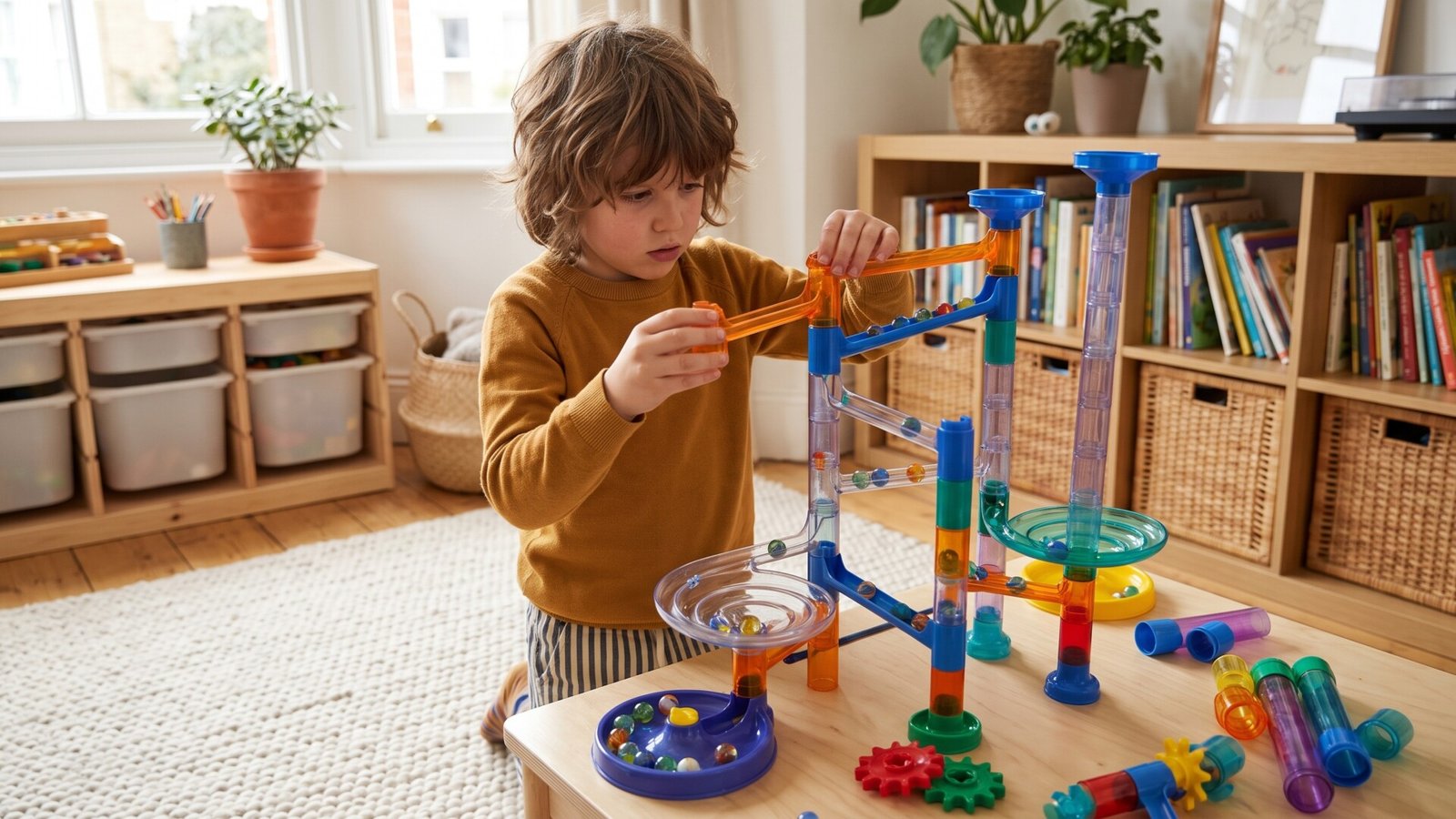
I have a confession to make. When my son was first diagnosed with ADHD, I spent weeks reading every parenting book I could find, trying to understand how his brain worked differently from mine. But nothing I read prepared me for the moment I watched him spend three hours completely absorbed in a marble run, designing and redesigning the track with a focus I had never seen before.
That was the moment I realized something important: the right toy, chosen thoughtfully, could do more than entertain. It could unlock a child’s potential in ways I never expected.
If you’re parenting a visual learner with ADHD, you already know the struggle. Traditional worksheets and lectures can feel like torture. But put something in their hands that lights up, moves, or requires them to build something visible—and suddenly, they’re engaged. The question is: how do you choose the right STEM toys to support that engagement without wasting money on things that end up in the closet after a week?
Let me walk you through what I’ve learned, both as a parent and as someone who has spent years researching how children learn best.
Understanding ADHD and Visual Learning
Let’s start with what we’re actually dealing with. ADHD isn’t just about difficulty paying attention—it’s about how the brain regulates attention, impulse control, and executive function. For many children with ADHD, the brain craves stimulation and novelty. When something isn’t interesting enough, the brain checks out. When something is highly engaging, hyperfocus kicks in.
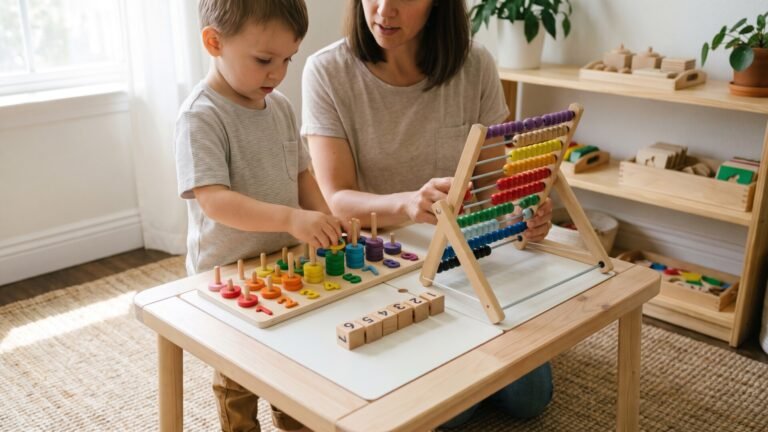
Visual learners process information best when they can see it. They think in pictures, remember what they see rather than what they hear, and often struggle with verbal instructions alone. Combine visual learning with ADHD, and you get a child who needs to see, touch, and manipulate information to truly understand it.
Here’s the thing that surprised me: many children with ADHD are actually exceptional visual-spatial thinkers. They can see patterns others miss, imagine three-dimensional structures, and solve problems in creative ways. The challenge isn’t their ability—it’s finding the right medium to unlock it.
This is where STEM toys become powerful tools. They provide visual feedback, hands-on interaction, and immediate results. When a child builds a circuit and the light turns on, they see the cause and effect instantly. That visual confirmation reinforces learning in a way that no textbook ever could.
Current trends in educational toys reflect this understanding. More manufacturers are designing products with ADHD and visual learners in mind—using color coding, step-by-step visual instructions, and interactive components that provide immediate feedback. It’s not just about making toys educational anymore; it’s about making them accessible to different kinds of minds.
The Role of STEM Toys in Learning
STEM toys—those focused on science, technology, engineering, and math—aren’t just academic tools. They’re engagement engines for visual learners with ADHD.
Think about what happens when a child opens a box of Snap Circuits. They see colorful pieces, clear diagrams, and a goal: make the light flash, or the fan spin. There’s no lengthy explanation required. The toy itself provides the instructions through visuals. The child can experiment, fail, try again, and see the results immediately.
This matters because children with ADHD often struggle with delayed gratification. If they can’t see progress quickly, they lose interest. STEM toys solve this problem by providing constant feedback loops. Every action produces a visible reaction, which keeps the brain engaged and motivated.
There’s also something powerful about the hands-on nature of these toys. When a child with ADHD is fidgety, having something to manipulate with their hands can actually help them focus. It’s called “fidget to focus,” and it’s a legitimate strategy used by occupational therapists. STEM toys channel that need for physical engagement into productive learning.
The distinction between traditional toys and STEM toys matters here. A traditional toy might entertain for a while, but a well-designed STEM toy teaches problem-solving, critical thinking, and persistence. It builds skills that transfer to the classroom and beyond.
Key Buying Factors for STEM Toys
Before I recommend specific products, let me share what I’ve learned about choosing wisely. Not every STEM toy is created equal, and what works for one child might frustrate another.
Safety comes first, always. Look for toys that meet ASTM or CPSC safety standards. Avoid small parts for younger children, and check for sharp edges or toxic materials. Most reputable brands are transparent about their safety testing.
Durability matters more than you might think. Children with ADHD can be rough on toys—not out of carelessness, but because they’re moving quickly and intensely. I’ve seen flimsy plastic pieces snap within minutes. Look for toys made from sturdy materials that can withstand enthusiastic use.
Age appropriateness is tricky. The age range on the box is a starting point, but your child’s actual developmental level matters more. Some eight-year-olds with ADHD are ready for complex engineering kits; others need simpler, more visual activities. Trust your judgment.
Educational value should be genuine, not just marketing. A toy that claims to teach coding but only has a few pre-programmed sequences isn’t teaching much. Look for toys that require genuine problem-solving, decision-making, and creativity.
Ease of use is critical for children with ADHD. If the setup is too complicated or the instructions are confusing, frustration will set in before learning begins. Intuitive designs with clear visual instructions are worth their weight in gold.
Storage and maintenance is the practical reality no one talks about. STEM toys often come with many small pieces. I learned the hard way that a good organization system—clear bins, labeled bags, or compartmentalized storage—can save your sanity and prevent lost parts.
Pros and Cons of STEM Toys for Visual Learners with ADHD
Pros
The benefits are real. I’ve watched children who struggled in traditional classrooms thrive when given the right STEM toy. Engagement improves because the learning is active, not passive. Independent play increases because the toy provides its own motivation. Problem-solving skills develop naturally through trial and error.
Most importantly, these toys build confidence. When a child successfully builds a working model or solves a logic puzzle, they see tangible proof of their abilities. For children who often hear what they’re doing wrong, that success is transformative.
Cons
I won’t pretend there aren’t challenges. STEM toys can be expensive, especially the high-quality ones. Some require adult supervision, which isn’t always possible. And if you choose poorly, a toy that’s too complex or too simple can lead to overstimulation or boredom.
The key is choosing thoughtfully, which is exactly what I’m going to help you do.
Main Product Recommendations
Let me walk you through the toys that have earned their place in our home and in my recommendations.
LEGO Education SPIKE Prime
| Feature | Details |
|---|---|
| Age Range | 10+ |
| Key Features | Interactive robotics, visual coding interface |
| Affiliate Program | LEGO Affiliate Program |
Why We Like It
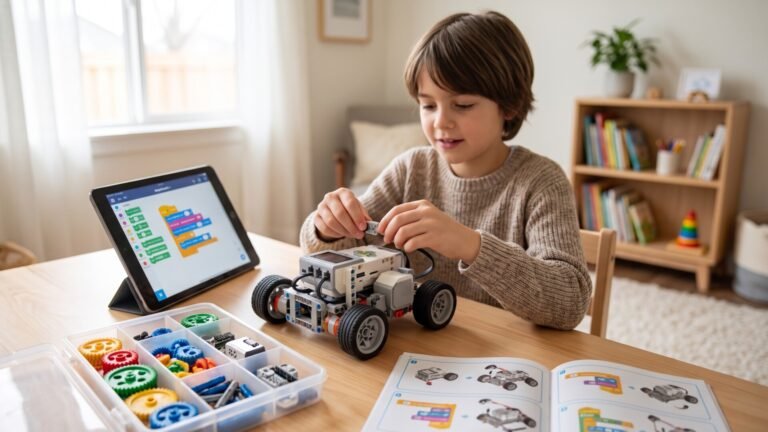
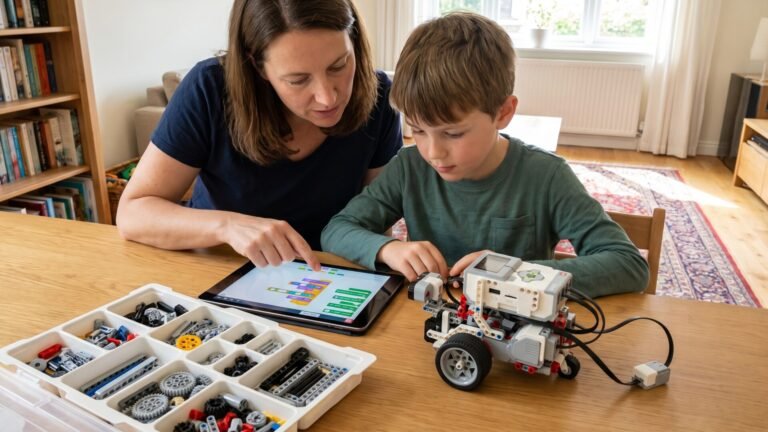
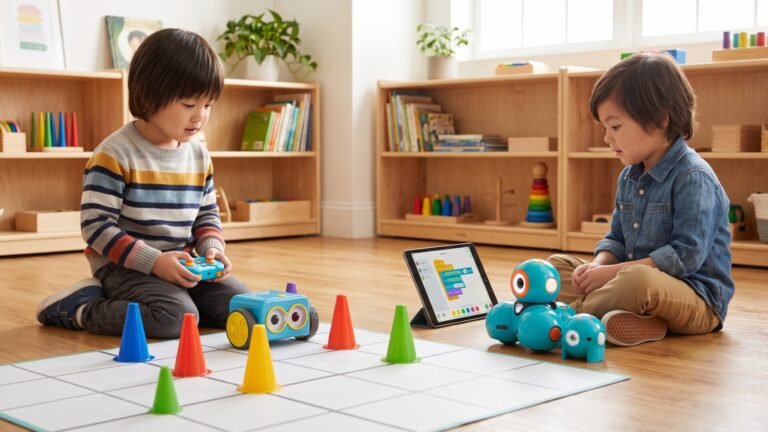
The SPIKE Prime system uses a drag-and-drop coding interface that’s entirely visual. Children see the code blocks, connect them, and watch their robot respond in real time. For visual learners with ADHD, this is gold. The immediate feedback keeps them engaged, and the open-ended possibilities mean they never run out of things to try.
Best For
Older children who have some experience with building and are ready for coding challenges. This is not a beginner toy, but for the right child, it’s incredibly rewarding.
Pros
- Encourages collaboration and teamwork
- Supports a range of learning styles
- Expandable with additional kits
Cons
- Higher price point
- Requires a tablet or computer for coding
[Affiliate: Check current pricing on LEGO Education SPIKE Prime]
Osmo Genius Starter Kit
| Feature | Details |
|---|---|
| Age Range | 6-12 |
| Key Features | Interactive games, visual learning through physical interaction |
| Affiliate Program | Amazon Associates |
Why We Like It
Osmo bridges the gap between physical and digital learning in a way that’s perfect for visual learners. Children manipulate physical pieces—tiles, numbers, shapes—while the iPad responds in real time. The visual feedback is immediate and satisfying.
Best For
Younger children or those new to STEM concepts. The games are engaging without being overwhelming.
Pros
- Fun and engaging way to learn math and spelling
- Adapts to child’s skill level
- Multiple games included
Cons
- Requires an iPad for full functionality
- Some games may feel repetitive over time
[Affiliate: Check current pricing on Osmo Genius Starter Kit]
Snap Circuits Jr. Electronics Exploration Kit
| Feature | Details |
|---|---|
| Age Range | 8+ |
| Key Features | Hands-on electronics, visual circuits |
| Affiliate Program | Amazon Associates |
Why We Like It
This is the toy that taught me the power of visual learning. The pieces snap together on a grid, and each component is color-coded. Children can see exactly how the circuit works by following the visual diagram. When something doesn’t work, they can trace the circuit visually to find the problem.
Best For
Kids interested in electronics and engineering concepts. The hands-on nature keeps them engaged.
Pros
- Easy to understand and use
- Over 100 projects included
- No soldering or tools required
Cons
- Limited advanced projects for older kids
- Small pieces require careful storage
[Affiliate: Check current pricing on Snap Circuits Jr.]
K’NEX Education – Intro to Simple Machines
| Feature | Details |
|---|---|
| Age Range | 7-14 |
| Key Features | Building sets, hands-on learning about mechanics |
| Affiliate Program | Target Affiliate Program |
Why We Like It
K’NEX allows children to build working models of simple machines—levers, pulleys, gears, wheels and axles. The visual nature of the builds helps children understand mechanical principles in a concrete way. They can see how changing one piece affects the entire system.
Best For
Kids who enjoy building and creating. The open-ended possibilities encourage creativity.
Pros
- High-quality materials
- Engaging projects with real-world applications
- Teacher-developed curriculum included
Cons
- Complexity may overwhelm some children
- Requires patience for larger builds
[Affiliate: Check current pricing on K’NEX Education]
Gravity Maze Marble Run Logic Game
| Feature | Details |
|---|---|
| Age Range | 8+ |
| Key Features | Visual spatial reasoning, logic challenges |
| Affiliate Program | Amazon Associates |
Why We Like It
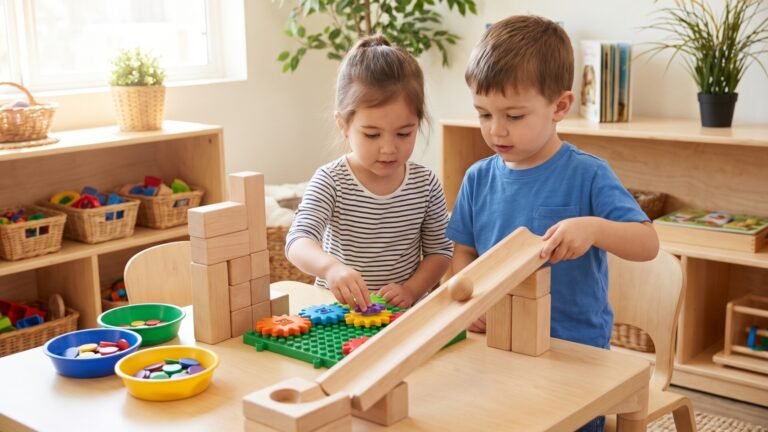
This is the toy that first showed me how powerful visual-spatial learning can be for children with ADHD. The goal is simple: build a track that gets the marble from start to finish. The challenge is in the logic and spatial reasoning required. Each puzzle card shows a visual challenge, and children must figure out the solution through trial and error.
Best For
Kids who enjoy puzzles and challenges. The increasing difficulty keeps them engaged.
Pros
- Engaging for solo or group play
- Develops critical thinking skills
- Compact storage
Cons
- Some challenges may be too difficult for younger children
- Limited replayability once all puzzles are solved
[Affiliate: Check current pricing on Gravity Maze]
Comparison Table
| Product | Age Range | Durability | Educational Value | Price Range | Best For |
|---|---|---|---|---|---|
| LEGO Education SPIKE Prime | 10+ | High | ★★★★★ | $$$$ | Older children, coding enthusiasts |
| Osmo Genius Starter Kit | 6-12 | Medium | ★★★★★ | $$$ | Younger children, digital learners |
| Snap Circuits Jr. | 8+ | High | ★★★★ | $$ | Electronics fans, hands-on learners |
| K’NEX Education | 7-14 | High | ★★★★★ | $$$ | Builders, mechanics enthusiasts |
| Gravity Maze | 8+ | Medium | ★★★★ | $$ | Puzzle lovers, spatial thinkers |
How to Choose the Right STEM Toys
Choosing the right toy depends on your specific situation. Here’s my practical guidance based on common scenarios.
Best for Small Spaces
If you’re working with limited space, Gravity Maze and Snap Circuits Jr. are excellent choices. They store compactly and don’t require a large play area.
Best for Younger Children
For ages 6-8, the Osmo Genius Starter Kit is my top recommendation. The games are engaging without being overwhelming, and the visual feedback keeps them motivated.
Best for Advanced Learning
Older children who are ready for real challenges will benefit most from LEGO Education SPIKE Prime. The coding and robotics elements provide depth that grows with the child.
Best for Budget-Conscious Families
Snap Circuits Jr. offers exceptional value. You get over 100 projects for a reasonable price, and the educational value is genuine.
Best for Hands-On Learning
K’NEX Education is the winner here. The tactile experience of building working machines is hard to beat.
Conclusion
Here’s what I want you to take away from this: the right STEM toy can be a bridge between how your child’s brain works and what the world expects them to learn. It’s not about fixing anything—it’s about providing the tools that let their natural abilities shine.
For most families, I recommend starting with Snap Circuits Jr. for its balance of value, engagement, and educational depth. If your budget allows, LEGO Education SPIKE Prime is the premium choice that grows with your child. And for younger children, Osmo offers an accessible entry point.
The best overall pick for most visual learners with ADHD is Snap Circuits Jr. because it combines visual learning, hands-on engagement, and genuine educational value at a reasonable price.
Remember, the goal isn’t perfection. It’s connection, curiosity, and the joy of discovery. The imperfect moments—the tower that falls, the circuit that doesn’t light, the marble that goes the wrong way—those are where real learning happens.
Frequently Asked Questions About STEM Toys For Visual Learners With ADHD
What are the best types of STEM toys for visual learners with ADHD?
The best STEM toys for visual learners with ADHD are those that provide immediate visual feedback, allow for hands-on manipulation, and offer open-ended possibilities. Building sets, coding kits with visual interfaces, and logic puzzles tend to work well.
How do STEM toys help children with ADHD?
STEM toys help by providing structured yet flexible activities that engage multiple senses. The hands-on nature channels the need for movement into productive learning, while the immediate feedback keeps the brain engaged.
Are STEM toys safe for younger children?
Most reputable STEM toys meet safety standards, but always check age recommendations and supervise younger children. Avoid toys with small parts for children under three.
What age range are STEM toys suitable for?
STEM toys are available for ages three and up. The key is matching the complexity to the child’s developmental level rather than just their age.
How can parents encourage engagement with STEM toys?
Start by playing alongside your child. Show enthusiasm for the process, not just the result. Allow them to make mistakes and figure out solutions independently.
What should parents look for in a STEM toy for children with ADHD?
Look for toys with clear visual instructions, immediate feedback, adjustable difficulty levels, and open-ended possibilities. Avoid toys that require long periods of passive attention.
Do STEM toys require adult supervision?
Some do, especially those involving small parts or complex setups. Check the manufacturer’s recommendations and supervise as needed.
Can STEM toys be used for group activities?
Absolutely. Many STEM toys work well for group play, which can help develop social skills and teamwork.
What happens if my child loses interest after a few weeks?
This is common and not a failure. Rotate toys, introduce new challenges, or try a different type of STEM toy. The goal is engagement, not mastery of any single toy.