Best Ninja Warrior Course Kits for Backyards: Hanging Obstacles for Ages 6–12
Every parent knows the struggle: endless summer afternoons, kids bouncing off the walls, and the constant pull of video games and tablets. What if you could turn your own backyard into an obstacle course that builds real strength, coordination, and confidence—without batteries, screens, or expensive gym memberships?
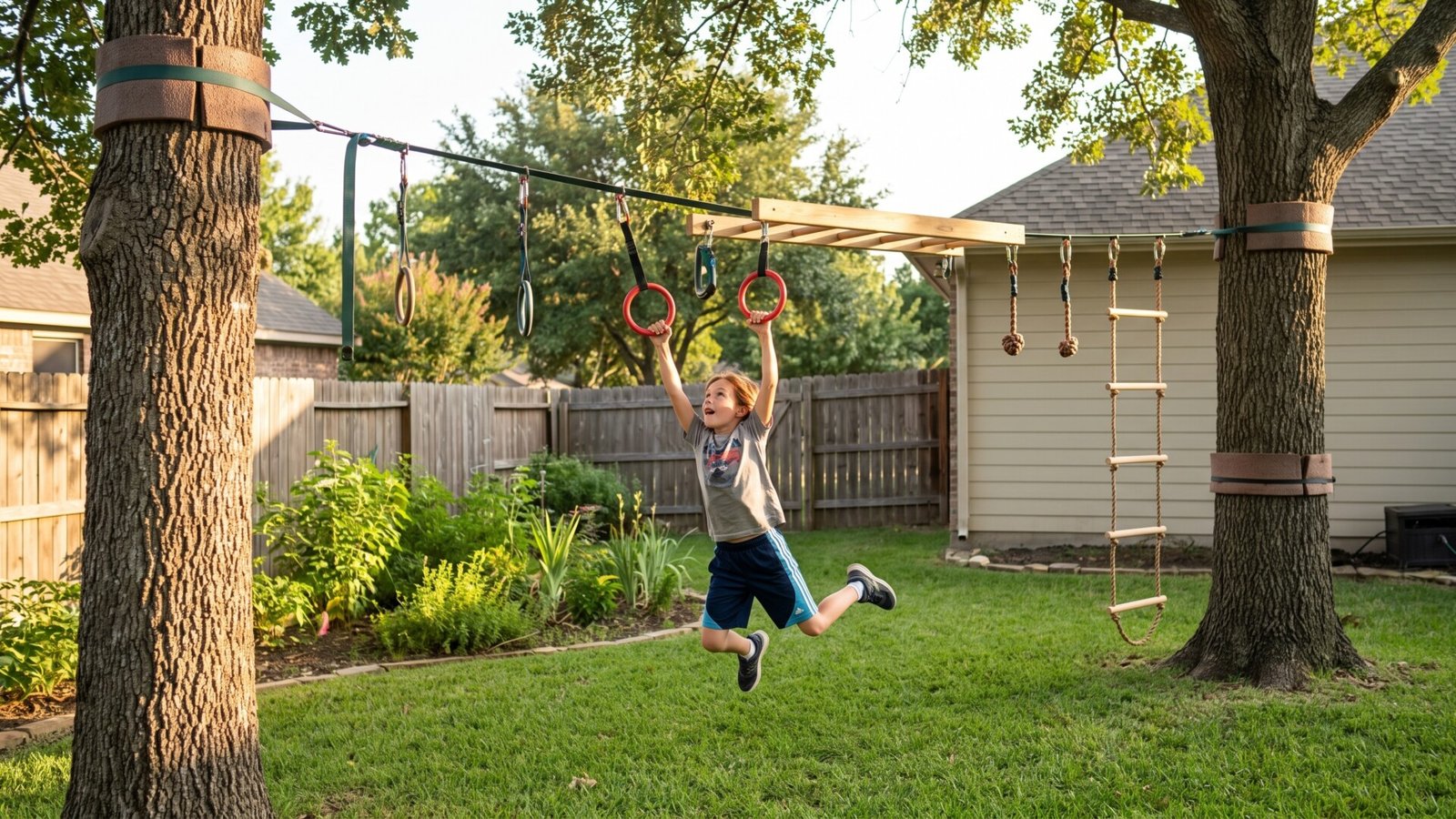
Backyard ninja warrior course kits have exploded in popularity, and for good reason. They tap into the same excitement kids see on TV shows like American Ninja Warrior, but in a safe, scaled‑down version designed for ages 6–12. A simple slackline strung between two trees becomes a high‑stakes balance beam. Hanging monkey bars, rope ladders, gymnastic rings, and spinning obstacles turn your lawn into a training ground for the next generation of ninjas.
But with so many kits on the market, how do you choose the right one? You need a kit that’s safe enough for a 6‑year‑old’s first climb, challenging enough for a 12‑year‑old’s advanced skills, durable enough to survive sun and rain, and easy enough to install without a degree in engineering.
In this guide, I’ve tested and compared the best ninja warrior course kits for backyards in 2026. I’ll break down slackline quality, weight limits, obstacle variety, installation difficulty, and real‑world durability. Whether you have perfectly spaced oak trees or a modest suburban yard, there’s a kit here for you. Let’s find the one that will turn your kids into backyard ninjas.
Why Ninja Warrior Course Kits Are Worth It
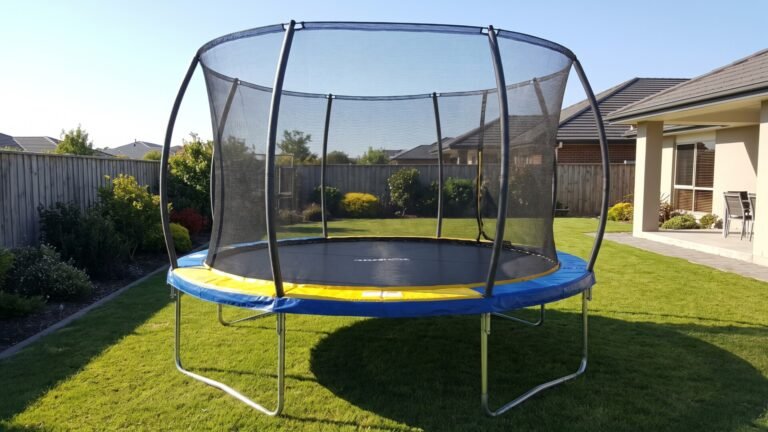
A backyard ninja course is more than just a piece of playground equipment. It’s a total-body gym disguised as adventure. The physical benefits alone are impressive: swinging from monkey bars builds upper body strength and grip; traversing rope ladders improves coordination; balancing on slacklines enhances core stability and focus. Unlike a trampoline (great for bouncing but limited in movement variety) or a swing set (passive motion), a ninja course requires kids to be active and engaged the whole time they’re playing.
But the physical benefits are only half the story. There’s a powerful psychological component too. Each time a child conquers a new obstacle for the first time—the terrifying wobble of a rickety bridge, the stretch to reach the next monkey bar—they build real confidence. I’ve seen timid 6‑year‑olds transform into daring little ninjas after just a few practice sessions. It teaches them that failure (slipping off a ring, losing balance on the slackline) is just practice, not defeat.
Another major advantage is the scalability of these kits. Unlike a fixed swing set, where the challenge level stays largely the same year after year, a ninja course grows with your child. Start with beginner obstacles placed close together on a short line; as skills improve, expand the line length, add more challenging obstacles (like a 360‑degree spinning wheel), and reconfigure the course in endless new patterns. This high‑replay value means they get used for years, not just one summer season.
Plus, ninja courses encourage social, collaborative play. Siblings can cheer each other on, compete for best time, or work together to “beat” a parent’s record. It replaces screen time with fresh air and laughter, and turns boring old backyard afternoons into mini training sessions that everyone looks forward to.
What to Look for Before Buying
When choosing a ninja warrior course kit for kids, there are several key factors to weigh up. Getting these right will ensure your course is safe, durable, and actually used by your kids.
Slackline Quality and Material
The slackline is the literal backbone of your entire ninja course—it’s the main rope that everything hangs from. The webbing should be thick and durable, with high tensile strength. Some premium kits use webbing that’s 200% thicker than standard options, offering a secure foundation. Look for material designed to resist fraying and UV damage, particularly if you plan to leave it set up for longer stretches.
Weight and Load Capacity
This is one of the most critical safety features. Many high‑quality kits now support total weight capacities ranging from 300 pounds to 880 pounds for the entire system, with individual obstacles rated for 250–330 pounds. A higher overall weight limit means the course can handle multiple children swinging and climbing at the same time (under adult supervision) without straining the main line. For older kids or potential adult use, aim for a kit with a higher capacity.
Number and Variety of Obstacles
The best kits offer a wide range of obstacles to keep play fresh and challenging. Look for sets that include a climbing net, a rope ladder with wooden rungs, gymnastic rings, monkey bars (wooden or metal), a “monkey fist” ball on a rope, 360‑degree spinning wheels, and sometimes even a long trapeze swing or a saucer swing. Some models, like the Hapfan, include a “rickety bridge”—a series of wooden planks that swing independently, adding a significant balance challenge. Kits with 10–13 obstacles give you maximum customisation options and allow you to adjust difficulty as your child improves.
Installation and Setup
The easiest kits use ratchet‑tight technology to secure the main line between two trees or posts. This system is fast (often under 20 minutes), reliable, and doesn’t require special tools or climbing skills. But here’s a crucial tip: measure your anchor spacing before you buy. Most 50–60 foot kits are designed for trees spaced roughly 10–40 feet apart. Choose a kit length appropriate for your available space, or you could end up with a saggy, frustrating line that won’t hold tension.
Tree and Anchor Protection
This is a detail that many parents overlook, but it matters. Quality kits include thick, durable tree protectors (usually foam pads or fabric wraps) that go between the ratchet strap and the tree bark. These protectors prevent the straps from digging into and damaging your valuable mature trees.
Safety Features Checklist
- Rubberized grips on metal bars or monkey bars for better handling, especially in wet conditions.
- Steel carabiners with safety locks—not cheap plastic or weak metal spring clips.
- Weather-resistant materials: UV‑resistant webbing, rust‑resistant buckles, and reinforced nylon ropes hold up to sun and rain.
- Clear, simple instructions that explain safe setup distances, tension requirements, and regular inspection. Many top brands now include QR codes linking to assembly video guides.
Maintenance and Storage
Even the best kit needs care. To avoid weather damage and extend longevity, most manufacturers recommend you don’t leave the entire course outside for extended periods. Detach the obstacles after each use or cover them, and store the slackline and accessories in a dry place when not in use. Always inspect carabiners, ratchets, and straps before each session—a small fray or cracked buckle can quickly become a safety hazard.
Types of Backyard Ninja Warrior Kits
Not all kits are created equal. Understanding the different types will help you zero in on the best ninja warrior course for your kids’ age range and your backyard layout.
Full Ninja Obstacle Course Kits
This is the most popular option for a reason. These kits include a long slackline (usually 50–65 feet) and multiple hanging obstacles (climbing net, rope ladder swinging rings, monkey bars, etc.) that can be arranged in any order along the line. Ideal for families who want a complete, all‑in‑one backyard adventure. Full kits offer the most play value and customisation, but they require more storage space and a longer setup area.
Slackline-Only Starter Kits
These are a simpler budget option: just the main line, ratchet, a few basic accessories, and tree protectors. They’re best for younger kids just beginning to practise walking along tensioned lines and hanging from a single ring or bar. They’re also a great choice if you already have some existing backyard obstacles (like a zip line or climbing rope) and just want to add a slackline component.
Portable Ninja Lines
These are lighter, shorter kits designed for travel and compact yards. Trailblaze, for instance, offers a lightweight 30‑pound course that packs into a carry bag and can be set up at a park, campsite, or beach. They typically have a shorter main line length and fewer obstacles, but they’re extremely versatile for active families on the go.
Permanent or Semi-Permanent Installations
If you have the space and desire a rigid, permanent structure, you can also install wooden support posts (treated 4×4 timber) or metal frames at both ends of your course instead of using trees. This option completely eliminates potential tree bark damage and allows you to place the course exactly where you want it. However, it requires more time, tools, and materials to build properly.
Which Type Is Best for Your Family?
- Beginners or compact yards: A 50‑foot full kit with a ratchet tension system and 8–10 obstacles offers a complete experience without needing massive tree spacing.
- Older or more competitive kids: A 60–65 foot kit with 13+ obstacles, heavier weight capacities, and durable metal components provides a serious challenge.
- Travel/portability: A lightweight, compact ninja line in a carry bag is the family’s best friend for camping and park days.
Best Ninja Warrior Course Kits for Backyards in 2026
Now, let’s get into the actual product recommendations for the best ninja warrior course kits for kids aged 6–12. These picks are based on real‑world testing, customer feedback, and safety features.
1 Best Overall: KODIAK STRAPS Ninja Warrior Obstacle Course – 50ft Kit
Available at: Amazon, KODIAK STRAPS
What sets this 50‑foot course apart is the webbing. The slackline is 200% thicker than standard webbing, giving it exceptional strength and minimal stretch under load. With a maximum weight capacity of 300 pounds, it’s appropriate for multiple children or for parents to test the course as needed. The kit includes an extra buckle strap for expansion as skills grow, enabling you to add more obstacles or extend the course length in the future.
With nine beginner‑friendly obstacles (including monkey bars, a tree swing, a trapeze bar, and a climbing rope with knots), this set keeps young beginners engaged without overwhelming them. The 9‑obstacle count hits the sweet spot for a starter backyard course: enough variety to stay interesting, but not so many that setup becomes a chore.
Installation is remarkably straightforward thanks to the included manual and ratchet system; it’s designed to be set up in about 20 minutes between two strong, mature trees spaced 10–40 feet apart. The recommended spacing range is generous enough to fit most family yards. And because the obstacles can be rearranged in any order, you can create new challenges each week, preventing boredom and encouraging kids to develop different skills (balance, grip and arm strength) over time.
The KODIAK STRAPS kit uses upgraded steel carabiners and reinforced buckles, and it includes tree protectors to safeguard your trees. It’s the best all‑round kit for families that want a ninja course that’s durable enough to handle daily backyard play but not so complex or expensive that it requires a construction crew to install. Parents consistently praise Kodiak Straps for outstanding customer service and the lifetime warranty on materials.
Best for: Kids ages 6–12 who are new to ninja training and need a safe, durable, easy‑to‑install starter course that can grow with them.
2 Best Premium Pick: Hapfan 65 ft Ninja Warrior Obstacle Course
Available at: Amazon, Hapfan
If you have a bigger backyard budget and want a premium course, Hapfan is the leading name. The 65‑foot version comes with 11 obstacles, including a saucer swing, a 360° rotation ninja twister swing, a trapeze bar swing, and a uniquely designed “rickety bridge” that introduces balancing on swinging planks{18†L22-L24]. This assortment is perfectly suited for the 6–12 age range, offering progression from easier obstacles (the climbing net ladder) to genuinely challenging ones (the twister swing).
Weight capacity is a standout feature: the entire system can support up to 880 pounds, with each individual obstacle rated for 250 pounds. That’s an unusual level of capacity for a residential backyard kit, and it means the course can handle multiple children swinging and climbing simultaneously without exceeding safe limits.
Hapfan uses weather‑resistant nylon webbing and stainless steel hardware, making it suitable for extended outdoor use. The recently improved buckle system eliminates concerns about fraying at connection points and speeds up installation considerably. It also includes 100% tree protectors to protect the bark of your favourite oak or maple.
The main drawbacks are the additional storage space required for 65 feet of line (though the line retracts easily) and the higher price tag compared to shorter kits. But families who purchase the Hapfan report using it for years across multiple sibling age groups, and the resale value stays strong due to the brand’s reputation.
Best for: Larger backyards, multiple children, parents who want to keep the course set up for weeks at a time and value premium hardware and durability.
3 Best for Beginners: Eezy Peezy Monkey Bar Adventure Set
Available at: Amazon, Target
This pick is a bit different from the others. It’s not a slackline‑based ninja course, but it’s the perfect ground‑level introduction to obstacles for smaller yards or younger kids who aren’t ready for a swinging course. The Eezy Peezy Monkey Bar Adventure Set is a plastic climbing tower with an arch of monkey bars, sturdy enough for ages 3–8.
It features composite interlocking plastic poles with dual‑locking spring connectors, giving decent sturdiness without the need for trees or heavy hardware. The bars are spaced closely enough that younger children (around 4–5 years) can comfortably reach each rung without needing a big stretch. The whole unit is compact enough to fit on a small patio, indoor playroom, or modest backyard space.
The Eezy Peezy is lightweight enough to be moved around by a single parent. It’s not as flexible as a full ninja course, but it’s a fantastic stepping‑stone toy for developing basic grip strength and overhead coordination before tackling taller slackline courses. The building process can be a little fiddly—some parents report difficulty with the initial assembly and the tool to separate poles if a mistake is made. However, older kids (8+) may outgrow the limited challenge of this set quickly. Once a child masters the monkey bars, there’s less progression available without additional equipment.
But for the younger end of the 6–12 range, especially for a parent’s first ninja purchase, the Eezy Peezy is an affordable, low‑entry point that doesn’t require mature trees or a sprawling backyard. The portable and moveable design means you can bring it inside for rainy days, unlike a slackline which is strictly outdoors.
Best for: Younger kids (ages 4–7) just starting ninja practice, small backyards, apartments, or families who want an indoor/outdoor obstacle option.
4 Best for Compact Yards: Trailblaze Ninja Warrior Obstacle Course – 2×55 Ft
Available at: Amazon, Trailblaze
Trailblaze’s 2×55 ft double slackline kit is designed specifically for portability and flexibility. It comes with a carry bag, weighs just 30 pounds, and sets up quickly via premium ratchets. For families with a compact yard, the 2×55 ft double line system allows two children to use separate obstacles simultaneously, doubling the fun in half the time.
Included obstacles feature a climbing net, rope ladder, trapeze swing, monkey bars, and the ever‑popular ninja rings. The kit supports a 330‑pound load capacity per ring, with rubberized grips on metal bars and stainless steel buckles for enhanced safety and longevity{19†L12-L13]. The kit also includes 100% tree protectors to safeguard bark from the ratcheting straps.
What makes Trailblaze stand out is the focus on corrosion‑resistant materials. Customers report that the carabiners and metal monkey bars have stayed rust‑free even after repeated rain exposure (a common failure point in cheaper designs). The double‑line configuration gives two kids separate lanes to play side‑by‑side, reducing line sag under heavy use.
Nevertheless, the 55‑foot total length still requires a relatively open backyard layout. The double line also requires careful tension balancing—if one side loosens over time, obstacles may drift. This kit is optimal for experienced parents who plan to make adjustments after initial installation.
Best for: Compact suburban yards, families with two children who want to play together, and families who value portability and long‑term corrosion resistance.
5 Best Budget Option: Jump Tastic Ninja Line Set (50ft)
Available at: Amazon, Wayfair
Jump Tastic’s 50‑foot ninja kit is a respectably affordable entry point with a surprisingly robust accessory count. The package includes a climbing rope, rope ladder, rope knots, two wooden monkey bars, two gymnastic rings, and all the necessary straps and carabiners.
The slackline itself uses car seat‑belt material, which is designed to hold up to 400 pounds when properly tensioned. That’s an excellent weight capacity for a budget kit. The adjustable strap buckles let you fine‑tune the distance between obstacles as your child develops different grip reaches.
Jump Tastic is recommended for ages 3 and up with adult supervision. However, younger children near the lower end of the 6–12 range may still find some obstacles a stretch—adult adjustment of obstacle spacing is necessary. Assembly is clear and relatively fast, though optional detailed instructions are available online.
The most significant downside with many budget kits is strap and carabiner quality, and Jump Tastic is no exception: after several months of usage, some plastic buckle components may show wear. You’ll want to inspect metal connections and straps before each use. Also, the kit should be stored indoors or covered when not in use, as prolonged sun exposure can slowly degrade the webbing material.
However, for a first‑time purchase where you’re unsure if your kids will genuinely love ninja play, Jump Tastic offers a low‑risk way to try out the concept without committing to premium pricing.
Best for: First‑time ninja buyers, tight budgets, families who want to test the concept before upgrading.
Ninja Warrior Course Kits for 6–12 Year Olds
| Model | Slackline Length | Obstacles Included | System Weight Capacity | Material Quality | Best For | Price Range |
|---|---|---|---|---|---|---|
| KODIAK STRAPS 50ft Kit | 50 ft | 9 (monkey bars, swing, etc.) | 300 lbs total | Thicker webbing, steel carabiners | Best overall – everyday backyard play | ~$190 |
| Hapfan 65ft Kit | 65 ft | 11+ (incl. rickety bridge, 360° twister) | 880 lbs total | Premium hardware and weatherproof webbing | Ultimate backyard course – larger yards | ~$210 |
| Trailblaze 2×55ft Kit | 2×55 ft | 10 (net, ladder, trapeze, monkey bars) | 330 lbs per ring | Rust‑resistant hardware, high portability | Compact yards and portability | ~190 |
| Eezy Peezy Monkey Bars | N/A (ground frame) | Monkey bar arch | designed for 3–8 years | Interlocking lightweight plastic | Younger beginners or indoor use | ~$150 |
| Jump Tastic 50ft Kit | 50 ft | 6 (rope knots, rings, monkey bars, ladder) | 400 lbs total | Car‑seatbelt webbing, basic carabiners | Budget‑friendly starter course | ~$70 |
Actual prices vary by retailer and seasonal promotions.
Safety Tips for Backyard Ninja Courses
A quality ninja course is safe, but only if you use and maintain it correctly.
- Always anchor to solid, mature trees. Your tree should be at least 12 inches in diameter and alive (not dying or rotting). Never use a young sapling; the force will uproot it.
- Check the tension before every play session. A slackline that’s too loose will sag, dropping obstacles lower than intended and reducing the challenge. A line that isn’t tight enough also creates unstable footing for beginners trying to walk the slackline itself. Use the ratchet system to firmly tension before use.
- Use crash mats for confidence. Place small mats, gymnastics squares, or even a thick layer of wood chips directly underneath the course to cushion falls during learning new obstacles.
- Establish a one‑rider rule for tricky obstacles. If you have a narrow “broken bridge” or a set of gymnastic rings, enforce a policy of one user at a time to prevent collision injuries.
- Supervise initial climbing attempts. For the first few weeks, stay close enough to spot your child as they figure out the height and momentum. Once they’re comfortable, you can supervise from a nearby bench.
- Remove obstacles before storms. Even weather‑resistant materials degrade faster if you leave them tensioned during high winds or heavy rain. Dismantling only takes a few minutes and adds years to the life of your course.
- Regularly inspect hardware. Check carabiners for cracks, ratchets for frayed straps, and monkey bars for splinters or bent metal. If you see wear, replace the component immediately. Some manufacturers sell replacement parts directly.
Frequently Asked Questions About Backyard Ninja Courses
What age is best for ninja warrior course kits?
Most kits are recommended for children aged 4–12, but the sweet spot for most challenging obstacles is about 5–9 years. Children as young as 4 can safely begin with ground‑level play (like the Eezy Peezy monkey bars) or very low obstacles, while 12‑year‑olds will be challenged by longer slackline runs and high‑capacity kits that allow faster transitions between obstacles.
Are backyard ninja courses safe for 6‑year‑olds?
Yes, if you choose a kit with a lower weight limit and set the line at a height appropriate for their reach (usually about 2–3 feet off the ground). Always use padded playground mats for the first several weeks, and never leave a 6‑year‑old unsupervised while climbing on monkey bars or swinging rings.
How far apart do trees need to be for a ninja course?
Generally, you need two trees or sturdy posts spaced between 10 feet and 40 feet apart, depending on your specific kit length. A 50‑foot kit is designed for about 10–40 feet of clear span; a 65‑foot kit needs closer to 15–30 feet of actual space between anchors because the line sags under tension. Always measure your specific yard before buying.
Can adults use these kits too?
Some premium kits (like Hapfan and KODIAK STRAPS) support total capacities of 880 and 300 pounds respectively, allowing occasional adult use. However, weight limits on individual obstacles (such as a single hanging ring) are usually lower (e.g., 250–330 pounds), so it’s safest to use adult weight only on the main slackline or swing. Avoid doing heavy swinging or bouncing on monkey bars if you’re over 200 pounds.
Is a 50‑foot slackline better than a 65‑foot kit?
No one size is universally “better”. A 50‑foot line is more than adequate for most family backyards and will allow 3–4 obstacles with comfortable spacing. Their shorter length also means less sag and easier tensioning. A 65‑foot kit offers more space to configure new and longer obstacle sequences but requires a longer, more open play area to avoid drooping or tangling.
Are replacement obstacles available for these kits?
Usually yes, but policies vary. KODIAK STRAPS and Trailblaze both sell replacement carabiners, ratchets, and individual obstacles via their websites and on Amazon. For budget brands like Jump Tastic, replacement parts are harder to find, so check the brand’s official support page before buying.
Do these rust if left outside?
Many components (carabiners, ratchets) are made of zinc‑coated steel or stainless steel, which resist rust. However, even premium steel can oxidise over time if you leave the kit outdoors in all weather conditions. The best storage practice is to bring the line and obstacles indoors when not in use for several days. If you must leave it up for a week, disconnect and cover the metal hardware with a cloth or tarp to reduce moisture exposure.
How difficult is installation?
Most kits use a ratchet‑tight system similar to a tow strap. You wrap the fabric strap around the tree, thread it through the ratchet, and pump the ratchet handle to achieve tension. The entire setup of the line takes about 10–20 minutes for a first‑time installer. Attaching obstacles is even faster—carabiners clip directly onto the slackline. For beginners, the biggest challenge is achieving the correct tension without over‑tightening and damaging tree bark. Tree protectors help, and many manufacturers provide QR code‑linked video tutorials to walk you through the process.
Where can I buy these kits?
You can find all models mentioned here through major retailers like Amazon, Wayfair, and Target. For the specific models linked in this article, check the brand’s official store on Amazon or trusted outdoor equipment sites. Purchasing via affiliate links supports ToyGuideHub at no extra cost to you.
Final Verdict
Ninja warrior course kits are one of the best backyard investments you can make for getting kids active and challenging their bodies in a fun, screen‑free way. The best course isn’t necessarily the biggest or most expensive. It’s the one your child actually uses every day—and that fits safely and effectively in your yard.
- Best overall: KODIAK STRAPS Ninja Warrior Obstacle Course (50ft) – Premium webbing, easy installation, balanced obstacle variety, and lifetime warranty.
- Best premium pick: Hapfan 65ft Ninja Warrior Obstacle Course – Unbeatable weight capacity, unique obstacles like the rickety bridge and 360° twister, long‑term hardware durability.
- Best for compact yards: Trailblaze Ninja Warrior Obstacle Course (2×55ft) – Double line design, portable carry bag, rust‑resistant hardware for small backyards.
- Best for beginners: Eezy Peezy Monkey Bar Adventure Set – Ground‑level classic obstacle, perfect for younger children who aren’t ready for slacklines.
- Best budget pick: Jump Tastic 50ft Ninja Line Set – Affordable, respectable weight capacity, solid variety of obstacles for the price.
When you see your child cross that rickety bridge for the first time, master a gymnastic ring, or complete the whole course without falling, you’ll realise you didn’t just buy a toy. You bought confidence, strength, resilience, and endless hours of outdoor joy.
Because sometimes the best ninja training happens not in a gym, but between two trees in your own backyard.
Always supervise children, test each setup for safe connections, and replace worn parts immediately.