LEGO for Early Learners: Duplo vs LEGO Explained
DUPLO or classic LEGO? Compare age labels, brick size, safety, play value and price, plus how to know when your child is ready to switch.
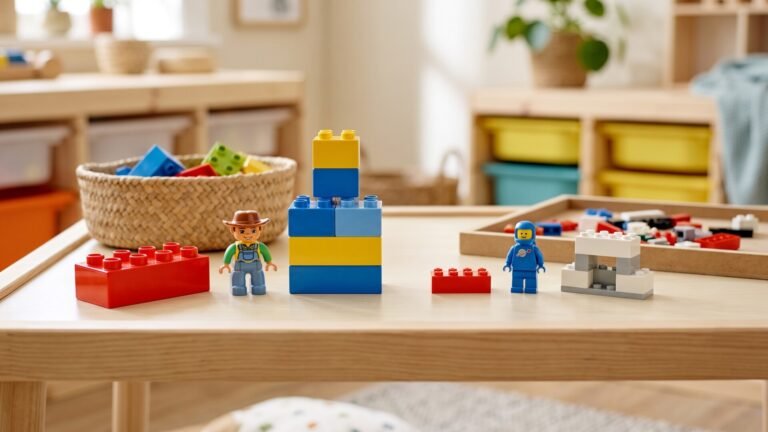
DUPLO or classic LEGO? Compare age labels, brick size, safety, play value and price, plus how to know when your child is ready to switch.
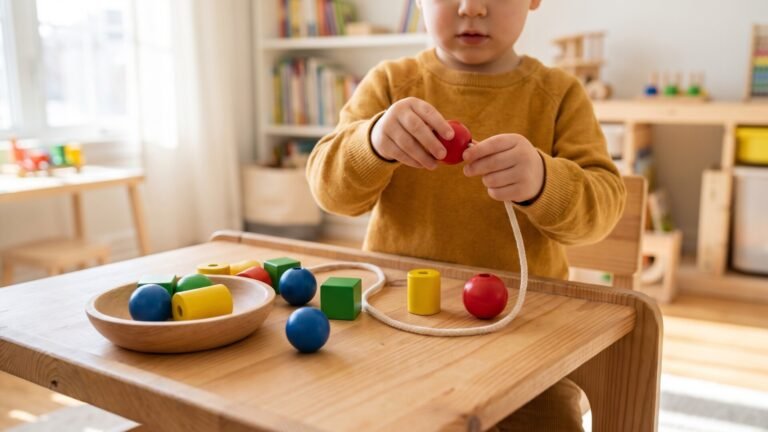
What fine motor skills are, typical milestones from 18 months to 6 years, and practical play, toy and daily-routine ideas to support small-hand control at home.
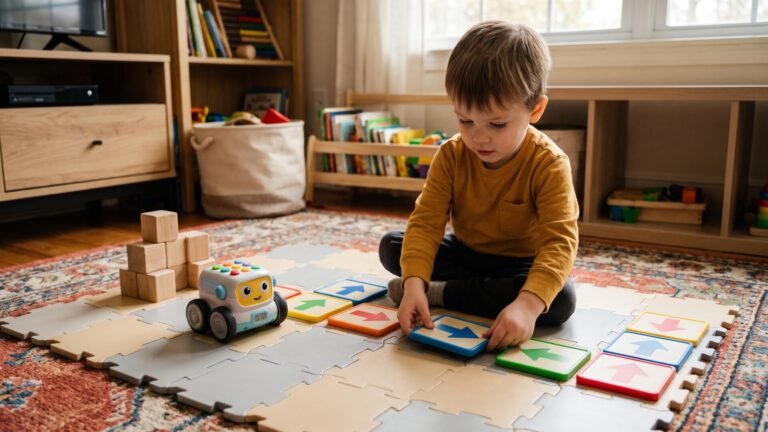
Coding is not only for older kids or adults. Children can start building the thinking habits behind it as early as preschool: putting steps in order, spotting patterns, predicting what will happen, and fixing mistakes. Screen-free coding toys teach those ideas with physical pieces such as cards, blocks, and small robots instead of a tablet…
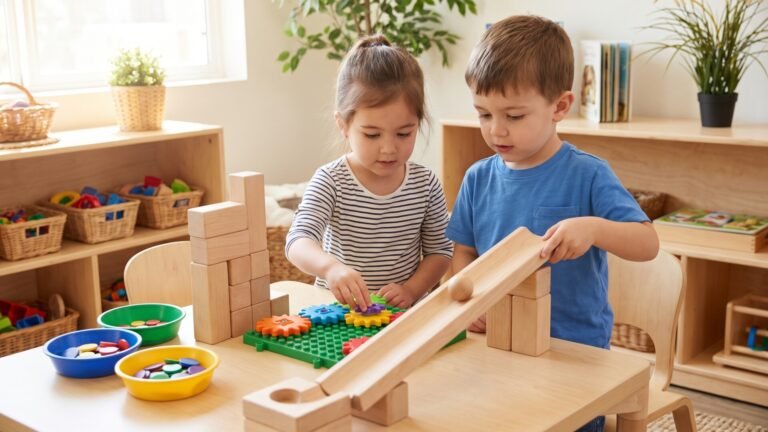
Easy, low-cost STEM activities for 3- to 5-year-olds, what each age is ready for, toys worth considering with age grades and price ranges, and safety notes for parents.
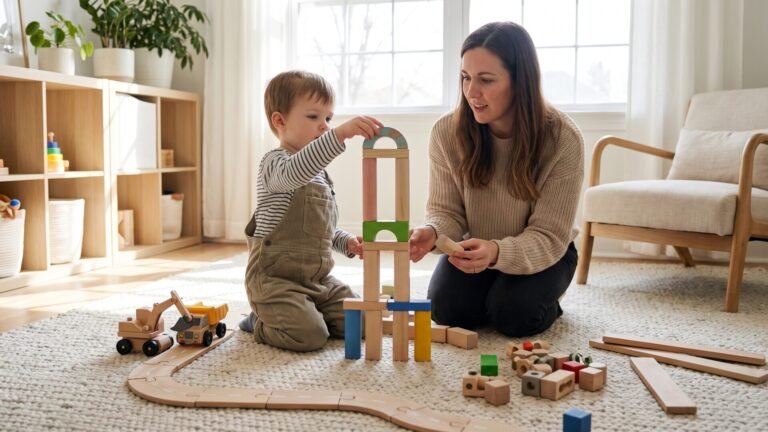
Construction play—building towers, roads, bridges, or imaginary cities—is more than just fun. It’s a powerful way to learn through play that gives children practice with thinking, movement, cooperation, and handling feelings. From toddlers stacking blocks to older kids designing elaborate LEGO structures, construction toys invite creativity, problem-solving, and spatial reasoning while providing hours of engaging…
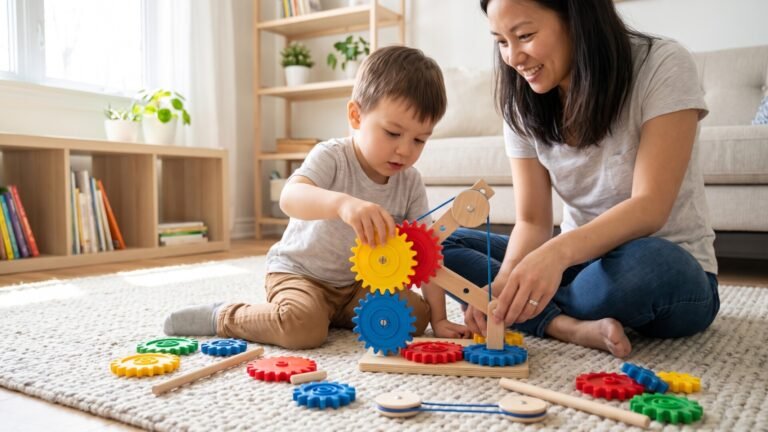
Engineering is not only for labs and high-school classrooms. Long before children meet formal science lessons, they are already testing how things stand, roll, balance and break: a block tower that topples, a ramp that sends a car flying, a bridge that holds a toy truck. Toys that invite this kind of experimenting can introduce…
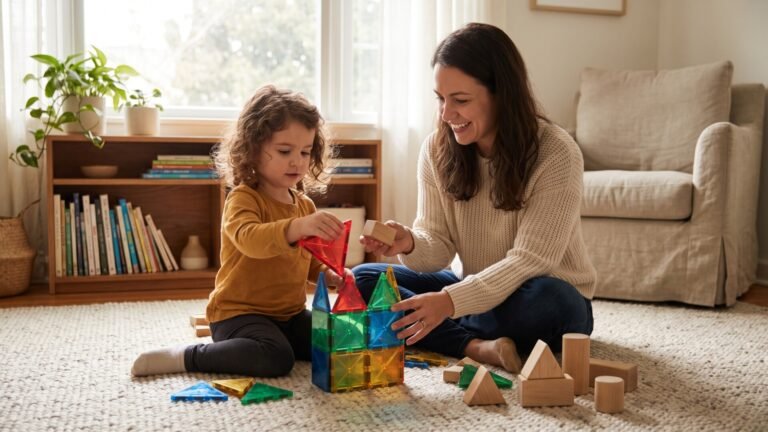
Science, technology, engineering and math (STEM) aren’t just school subjects—they are ways of thinking that children use every day. Early, playful exposure can nurture curiosity, problem-solving and persistence. As a parent, you don’t need a lab or expensive gadgets to start. Everyday observations, a few well-chosen toys and some good questions go a long way….
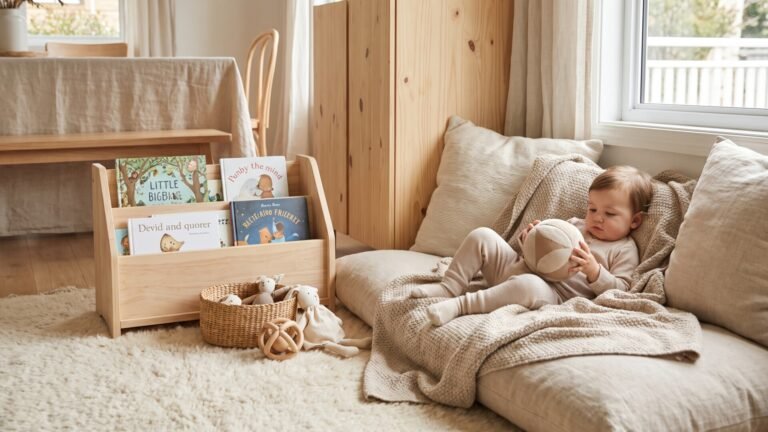
Toddlers are full of energy, curiosity and sometimes very big feelings. Between learning new skills, bumping into limits and experiencing the world for the first time, meltdowns and frustration are a normal part of the age. One helpful tool is a calm corner: a designated space in your home where your child can pause, reset…
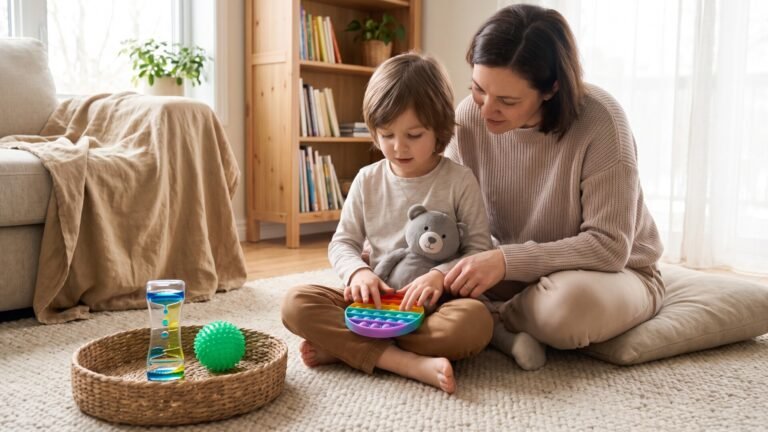
Children experience a wide range of emotions daily, from excitement and joy to frustration and worry. For many kids, including those with sensory processing differences or neurodivergent profiles such as autism or ADHD, big feelings can be harder to manage. Sensory toys can support a child in settling, focusing, and finding a safe outlet for…
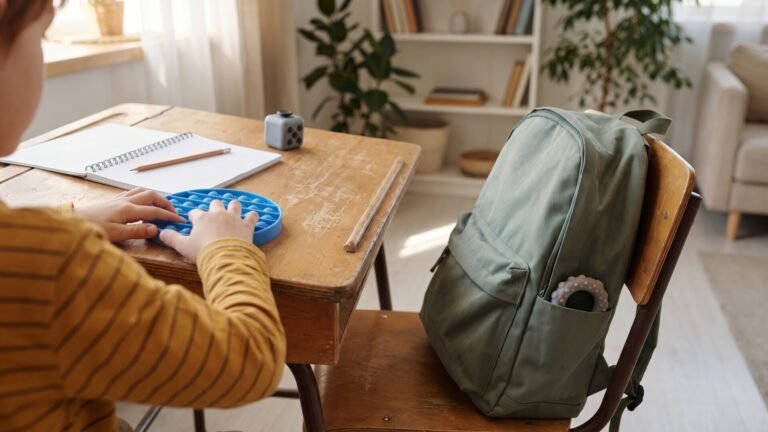
Fidget toys are everywhere, and many parents wonder whether they really help. For some children, a small, quiet object in the hand makes it easier to sit through a lesson, a long drive or a waiting-room visit. Others find them distracting, and some are noisy or poorly made. This guide helps you choose safe, quiet…