15 Montessori Stocking Stuffers That Are Actually Educational
I used to think a stocking stuffer was just something small to fill the toe of the sock—a candy cane, a tiny car, maybe some chapstick that would end up in the couch cushions by New Year’s. But then I had kids, and I realized that those few inches at the bottom of a stocking are prime real estate. They are the first thing little fingers find on Christmas morning. Why waste that moment on plastic junk that gets tossed aside by breakfast?
That is where Montessori stocking stuffers come in. For parents who want to honor the magic of the holiday without sacrificing the learning that happens through play, these small, intentional gifts are a game-changer. They are not just toys; they are tools for independence, concentration, and joy. The challenge, of course, is finding options that are genuinely educational and not just marketed that way. I have spent years sorting through the clutter to find the real gems.
In this article, I am sharing fifteen Montessori-inspired stocking stuffers that actually deliver on their promise. We will talk about what makes a toy truly Montessori, the key factors to look for, and—most importantly—which ones are worth your money. I have linked to our [Internal: Montessori Toy Guide] for deeper dives on specific categories, but this list is your cheat sheet for a meaningful, educational Christmas morning.
Let me tell you why this matters.
The Heart of Montessori Play
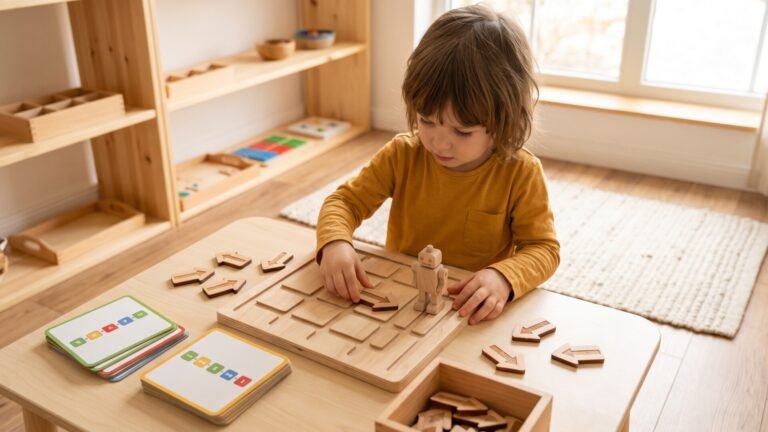
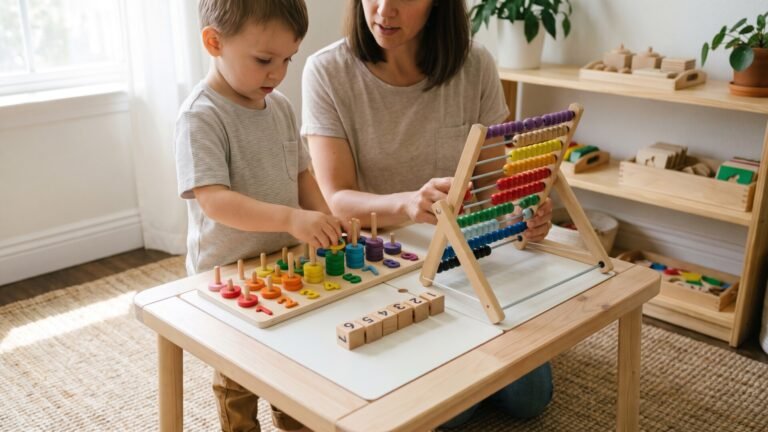
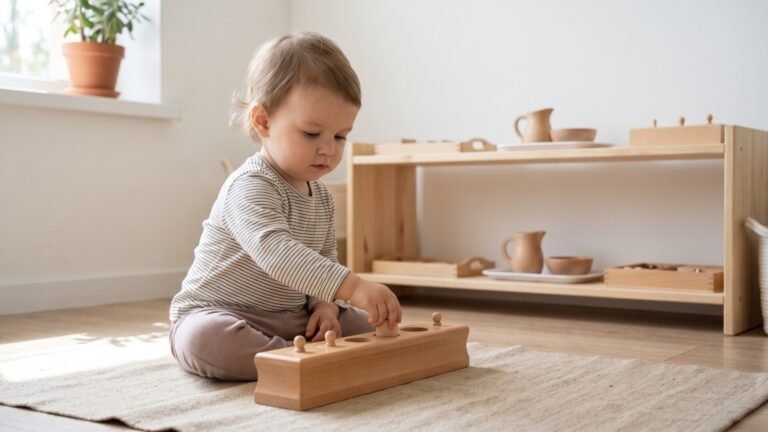
Before we dive into the products, let us talk about the philosophy behind them. The Montessori method, developed by Dr. Maria Montessori, is not about rigid lesson plans or expensive furniture. It is about respecting the child as a capable, curious learner. The toys that fit this approach are designed to be self-correcting, meaning the child can figure out the solution without an adult hovering. They are made from natural materials—wood, cotton, metal—because these textures ground a child in reality rather than in the flashing lights of a screen.
I remember the first time I watched my daughter work with a simple wooden puzzle. She struggled for a solid ten minutes, her little brow furrowed in concentration. She didn’t look to me for help. She just kept turning the piece, trying different angles, until it clicked. That moment of self-discovery is the whole point. Montessori toys foster fine motor skills, problem-solving, and a deep sense of satisfaction that a battery-powered toy can never replicate.
But here is the thing parents often worry about: safety. According to the American Academy of Pediatrics, the best toys for toddlers are those that are simple, durable, and free from small parts that pose a choking hazard. Montessori toys excel here because they are intentionally minimal. They avoid the bells and whistles that often break or distract. Instead, they invite the child to engage deeply with one skill at a time.
Current trends in Montessori toy selection lean heavily toward eco-friendly materials and sensory-rich experiences. Parents are moving away from plastic and toward sustainably sourced wood, organic cotton, and non-toxic paints. This is not just about being green; it is about giving children objects that feel good in their hands and last long enough to be passed down to a sibling.
What Makes a Stocking Stuffer Montessori?
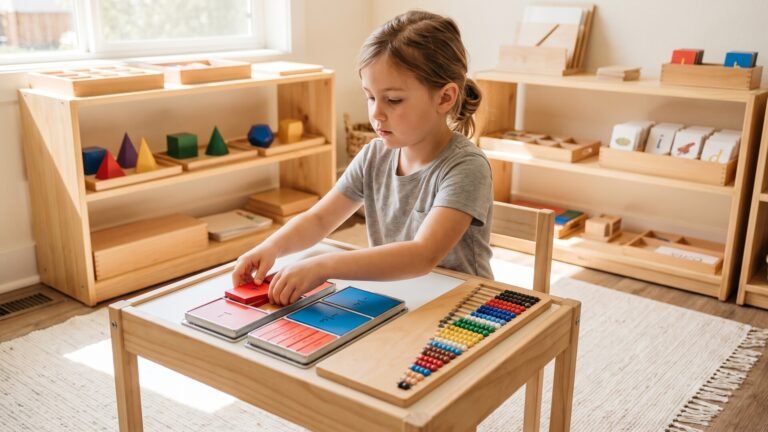
You might be wondering: can a small toy really be Montessori? Absolutely. The key is that the toy must serve a purpose in the child’s development. It should be designed for “practical life skills” (like lacing or pouring), “sensorial activities” (like matching colors or textures), or “open-ended play” (like building or pretending). A Montessori stocking stuffer is not a passive toy. It does not do the work for the child. Instead, it is a tool that the child uses to discover something about the world or about themselves.
This is where the distinction between a traditional toy and a Montessori-inspired one becomes clear. A plastic fire truck that makes noise and lights up? That is entertainment. A set of wooden stacking rings? That is education. The child has to figure out the order, balance the pieces, and coordinate their hands. The activity is the reward.
One term you will hear often in this space is “open-ended play.” It means a toy that can be used in multiple ways, not just one prescribed way. A set of wooden blocks is open-ended. A puzzle that only fits together one way is not. Both have value, but for a stocking stuffer, I lean toward open-ended options because they offer more bang for your buck in terms of long-term engagement.
How to Choose: The ToyGuideHub Parent Checklist
Over the years, I have developed a mental checklist that I run through before buying any toy for a toddler. Here is what I look for, especially when the toy has to fit in a stocking.
Safety comes first. I check for non-toxic materials and finishes. For toddlers, that means no small parts that can be swallowed and no sharp edges. Look for certifications like ASTM or EN71, which indicate the toy has been tested for safety.
Durability matters more than you think. I learned this the hard way when my son snapped a cheap plastic toy in half on Christmas morning. Montessori toys are often made of solid wood, which can withstand dropping, throwing, and the occasional tantrum. A well-made toy will survive multiple children.
Age appropriateness is non-negotiable. A toy that is too advanced will frustrate a child. A toy that is too simple will bore them. The recommendations in this article are for ages two and up, but every child develops at their own pace. Trust your gut.
Educational value should be obvious. If you have to read a long description to understand why a toy is educational, it probably is not. The best Montessori toys have a clear, singular purpose: to teach a skill like sorting, balancing, or lacing.
Ease of use is critical for independence. A toddler should be able to manipulate the toy without help. If the mechanism is too stiff or the pieces are too small, the child will give up or ask for assistance, which defeats the purpose.
Storage is a practical concern. Stocking stuffers are small by definition, but consider where the toy will live after the holiday. Does it come with a bag or box? Can it be stored easily on a shelf? Compact toys that don’t require a lot of space are a win for small homes.
Maintenance should be simple. Wooden toys can be wiped clean. Fabric toys can be washed. Avoid anything with batteries or electronic components that can fail or require replacement.
The Upside and the Downside
Let me be honest with you. Montessori toys are not perfect for every family or every child. Here is what I have found to be true.
On the positive side, these toys encourage independent learning in a way that is rare in the toy aisle. They support fine motor skills, cognitive development, and creativity. Because they are often made from sustainable materials, they align with a more environmentally conscious lifestyle. I also love that they are quiet. There is no obnoxious music or flashing lights. Just the satisfying clack of wood on wood.
But there are downsides. The biggest one is cost. A high-quality wooden toy can cost two or three times more than a plastic alternative. That can be a hard pill to swallow, especially for a stocking stuffer. Another issue is that some toddlers who are used to flashy, electronic toys may initially find Montessori toys boring. They require more imagination and patience. And finally, some Montessori toys do benefit from adult guidance at first. You might need to show your child how to use the lacing cards or how to stack the balancing stones before they take off on their own.
Fifteen Stocking Stuffers Worth Unwrapping
Now for the fun part. These are the toys that have earned a spot in our home, and I think they will earn one in yours too. Each one fits in a standard stocking and offers genuine educational value.
Wooden Stacking Geometric Shapes
This is the classic Montessori toy for a reason. Brightly colored wooden rings or geometric shapes stack onto a central peg. The child learns to sort by size and color while developing hand-eye coordination. [Affiliate: Check the price on Amazon] for the Melissa & Doug version, which is sturdy and well-finished.
Sensory Play Dough Kit
I was skeptical of play dough at first because of the mess, but a good sensory kit is worth it. Look for one made with natural ingredients and wheat flour, like the sets from BrightyToys. It comes with tools for pressing, cutting, and rolling, which strengthens little hands for writing later. [Affiliate: See the BrightyToys options here].
Montessori Wooden Fruit Cutting Toy
This is a huge hit in our house. The wooden fruit is held together by velcro, and the child uses a wooden knife to slice it apart. It teaches practical life skills, hand strength, and the concept of whole and part. [Affiliate: Find the Seedling set on Amazon].
Eco-Friendly Animal Figurines
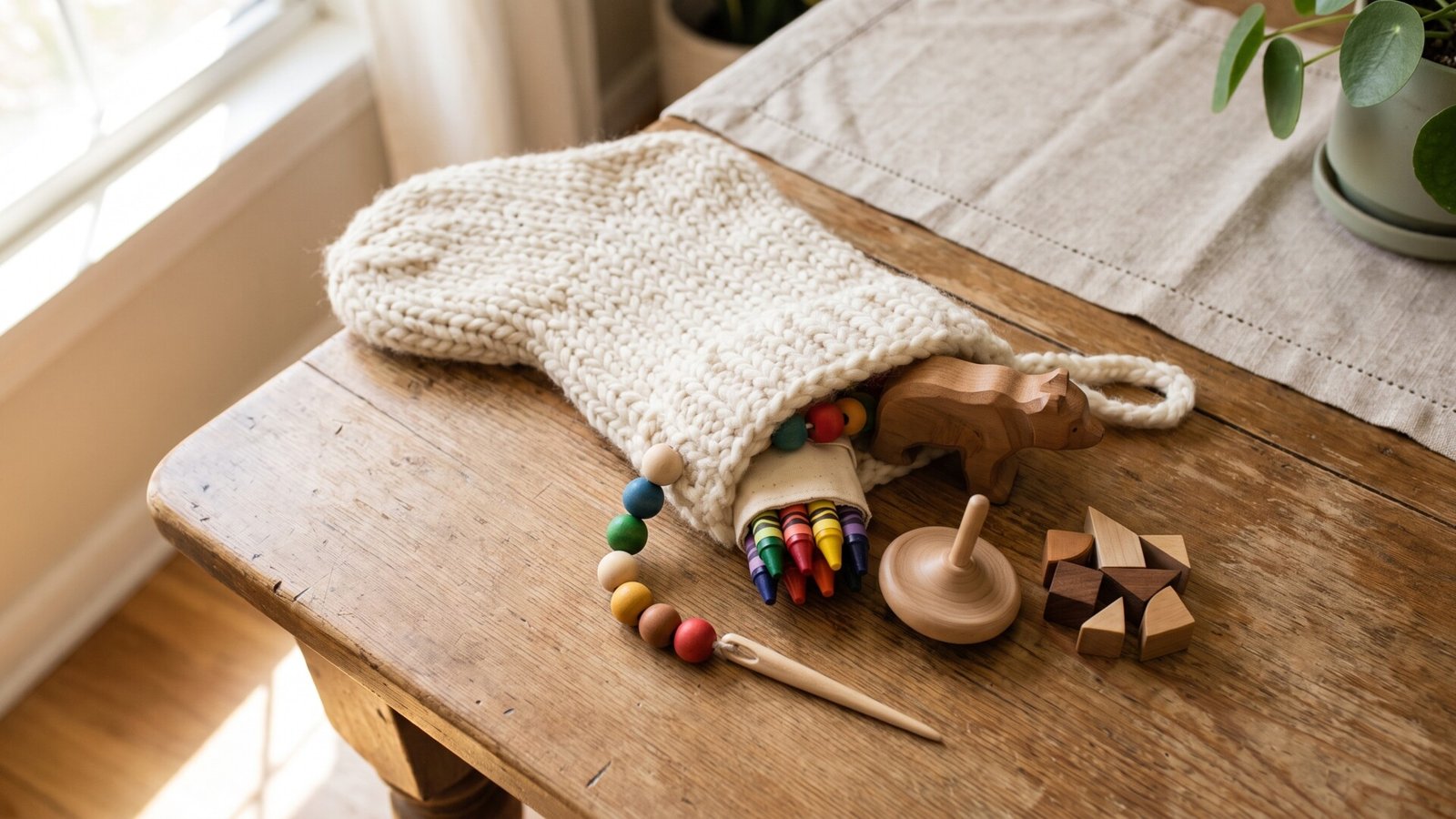
A set of small, solid animal figurines made from recycled materials is perfect for open-ended play. They can be used for sorting, storytelling, or just lining up on the windowsill. [Affiliate: Browse Friendly Toy Box animal sets].
Color Sorting and Matching Game
This is a simple concept that toddlers love. A set of wooden bowls or a tray with corresponding colored discs or pom-poms. The child uses tongs or their fingers to sort the items into the correct color. It is fantastic for color recognition and fine motor control. [Affiliate: Check Fun and Function for their sorting sets].
Montessori Puzzle Blocks
These are not your average puzzle. Each block has a different shape or pattern on each side, so the child can create multiple pictures. It encourages problem-solving and spatial reasoning. [Affiliate: See Smiling Tree Toys for their beautiful wooden blocks].
Music Instruments for Toddlers
A small wooden shaker egg, a pair of rhythm sticks, or a mini tambourine introduces rhythm and sound exploration. These are great for auditory development and can be used in sing-alongs. [Affiliate: Check Duncan Toys for their toddler-friendly instruments].
Wooden Lacing Cards
These are small, sturdy cards with holes around the edge and a lace attached. The child threads the lace through the holes, which is excellent for fine motor skills and hand-eye coordination. [Affiliate: Find Tenacious Toys lacing card sets].
Felt Board Storytelling Set
A small felt board and a set of felt pieces (animals, people, shapes) allow your child to create their own stories. It is portable, quiet, and endlessly creative. [Affiliate: Browse ArchiesToys for felt board kits].
Nature Exploration Kit
This is a small kit with a magnifying glass, a bug catcher, and maybe a small notebook. It encourages outdoor exploration and curiosity about the natural world. [Affiliate: Check Geeks Toy for their nature sets].
Balancing Stones
These are smooth, wooden stones in various shapes that the child stacks on top of each other. It requires patience, concentration, and a steady hand. [Affiliate: See Ryder Toys for their balancing stone sets].
Magnetic Building Blocks
Small magnetic tiles or rods that click together allow for open-ended construction. They are great for spatial awareness and creativity. [Affiliate: Check VTech for their magnetic building sets].
Montessori Busy Board
A small board covered with latches, zippers, switches, and buttons. It keeps little fingers busy and teaches practical life skills like how to work a zipper or a lock. [Affiliate: Find busy boards on Amazon].
Colorful Counting Bears
A small tub of plastic bears in different colors, often paired with sorting cups. They teach early math skills like counting, sorting, and pattern recognition. [Affiliate: Check Target for counting bear sets].
Play Kitchen Accessories Set
A small wooden spoon, a whisk, and a little bowl can transform any play kitchen into a real cooking experience. [Affiliate: Browse eBay for play kitchen accessories].
At a Glance: Comparison Table
| Product | Age Range | Educational Value | Durability | Price Range | Best For |
|---|---|---|---|---|---|
| Wooden Stacking Geometric Shapes | 2+ years | ★★★★★ | High | $15 – $20 | Spatial Awareness |
| Sensory Play Dough Kit | 2+ years | ★★★★☆ | Medium | $10 – $15 | Creativity |
| Montessori Wooden Fruit Cutting Toy | 3+ years | ★★★★★ | High | $15 – $25 | Imaginative Play |
| Eco-Friendly Animal Figurines | 2+ years | ★★★★☆ | Medium | $12 – $18 | Imaginative Play |
| Color Sorting and Matching Game | 2+ years | ★★★★★ | High | $15 – $22 | Color Recognition |
| Montessori Puzzle Blocks | 2+ years | ★★★★★ | High | $18 – $25 | Problem Solving |
How to Choose the Right Option
Every family is different, and the best stocking stuffer depends on your child’s personality and your home environment.
Best for Small Spaces: If you live in an apartment or have limited storage, go for the Wooden Stacking Geometric Shapes or the Colorful Counting Bears. They are compact and store easily in a small bin or on a shelf.
Best for Toddlers: For the two-year-old set, the Sensory Play Dough Kit or the Montessori Busy Board are safe, engaging, and perfectly sized for little hands. They encourage independent play without requiring constant supervision.
Best for Learning Through Play: If your goal is to maximize educational value, the Montessori Puzzle Blocks and the Color Sorting and Matching Game are top-tier choices. They teach specific skills like problem-solving and color recognition in a fun, hands-on way.
Best Budget Pick: The Eco-Friendly Animal Figurines offer great value for the price. They are durable, encourage imaginative play, and cost under $15.
Best Premium Pick: The Montessori Wooden Fruit Cutting Toy is a bit more expensive, but it is built to last and offers rich opportunities for pretend play and practical life skills.
The Gift That Keeps Giving
Choosing the right stocking stuffer is about more than filling a sock. It is about giving your child a tool for discovery—a small object that says, “I see you. I see how capable you are.” The best overall pick from this list is the Montessori Wooden Fruit Cutting Toy for its blend of practical life skills, imaginative play, and durability. For a budget-friendly option, the Eco-Friendly Animal Figurines are hard to beat. And if you want to splurge on something that will last for years, the Montessori Puzzle Blocks are a premium choice.
I hope this guide helps you fill those stockings with intention and love.
Frequently Asked Questions About Montessori Stocking Stuffers For Toddlers
What are Montessori stocking stuffers?
They are small, educational toys designed to support a child’s natural development through hands-on, self-directed play. They often focus on practical life skills, sensorial activities, or open-ended creativity.
Are Montessori toys safe for toddlers?
Yes, when chosen correctly. Look for toys made from non-toxic materials with no small parts that could pose a choking hazard. Reputable brands adhere to strict safety standards.
How do I know if a toy is truly educational?
A truly educational toy requires the child to actively engage with it. It should have a clear purpose—like sorting, stacking, or lacing—and allow the child to learn through trial and error without needing constant adult help.
What is the average price range for Montessori toys?
You can find good options for $10 to $25. Premium wooden toys may cost up to $30, but they often last longer and can be passed down to younger siblings.
How do Montessori toys compare to traditional toys?
Traditional toys often prioritize entertainment (lights, sounds, characters) over learning. Montessori toys prioritize skill-building, concentration, and independence. They tend to be simpler, quieter, and more durable.
Can Montessori toys help with social skills?
Yes, many Montessori toys encourage cooperative play. For example, a felt board storytelling set can be used with a sibling or parent to create stories together, fostering communication and turn-taking.
How often should I rotate toys for my toddler?
I recommend rotating toys every two to three weeks. Keep a small selection out at a time and store the rest. This keeps the toys fresh and prevents overwhelm, which is a core Montessori principle.
Are there Montessori toys suitable for infants?
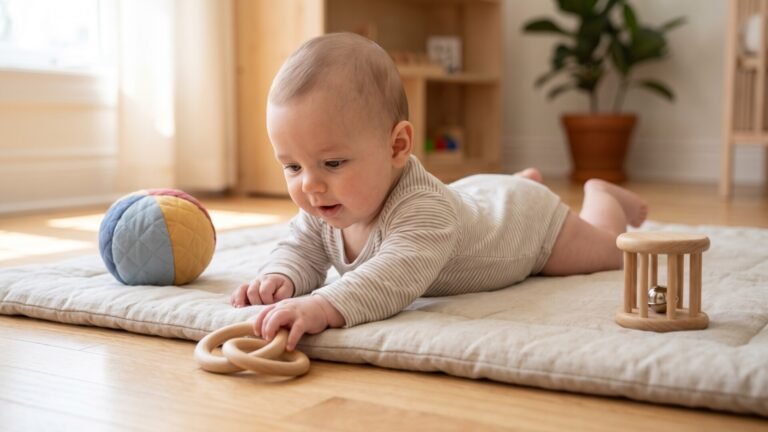
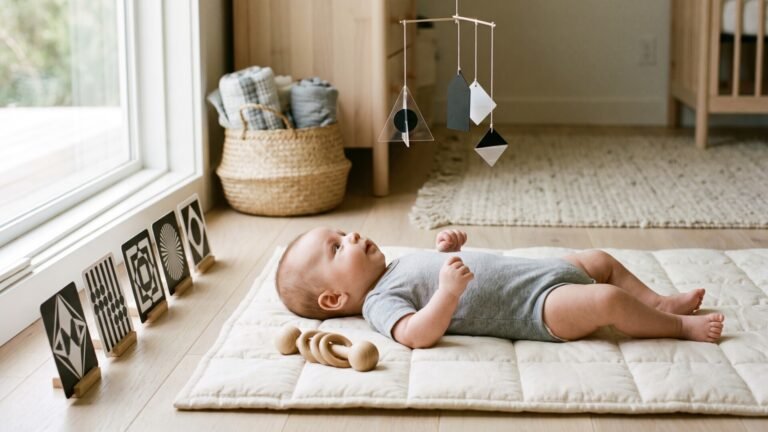
Yes, for infants under one year, look for high-contrast black-and-white cards, soft grasping toys, or simple wooden rattles. These support visual development and cause-and-effect learning.
What should I look for in a quality Montessori toy?
Check for solid construction, smooth edges, non-toxic finishes, and a design that encourages independent use. Avoid toys with too many pieces or complex instructions.