Splish Splash: Sensory-Rich Montessori Bath Toys for Toddlers
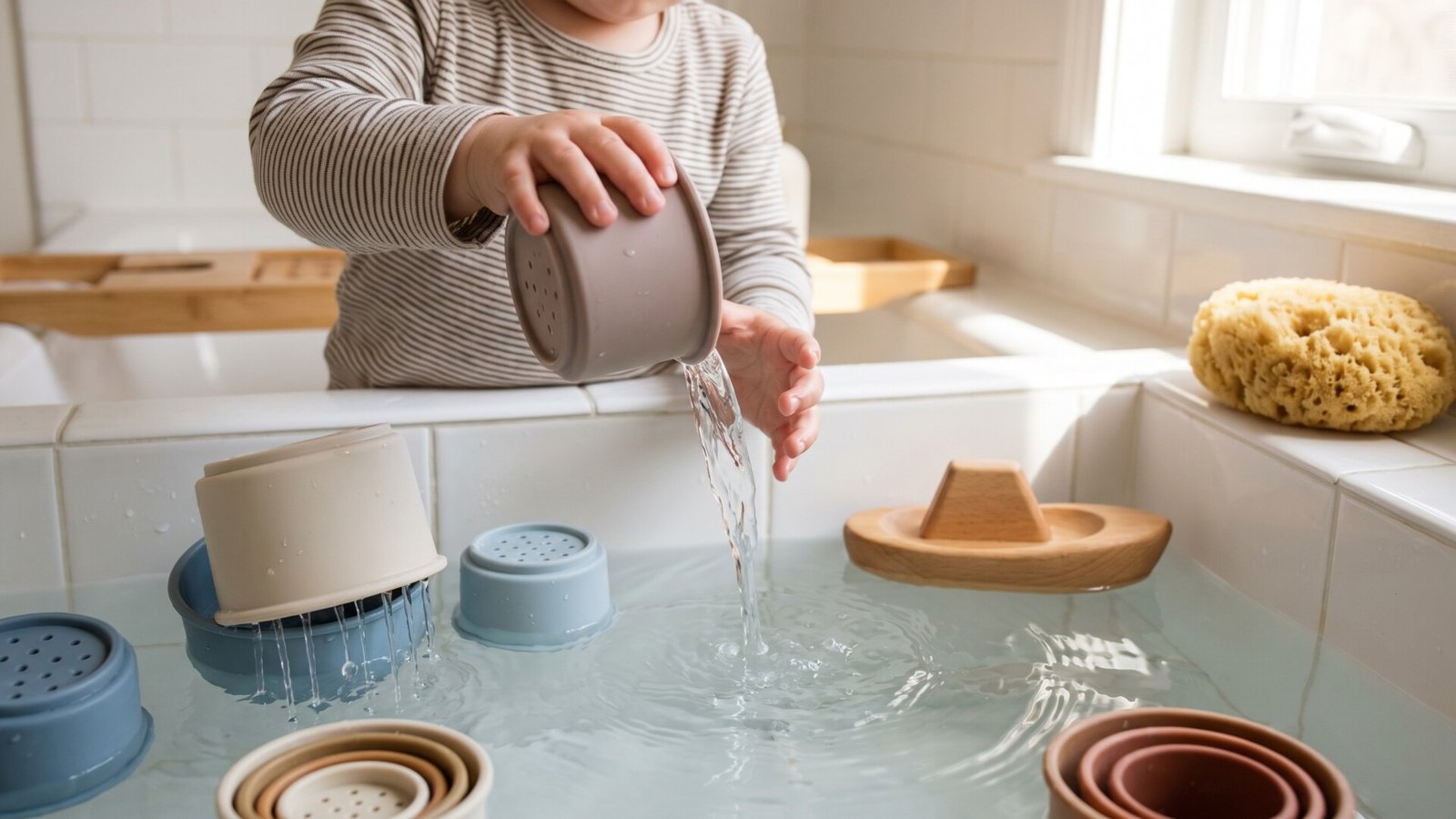
I have a confession to make. When my first child was a toddler, I thought bath toys were bath toys. You know the drill—a few rubber duckies, maybe a squirty whale, and you call it a day. But then I watched my daughter spend twenty minutes completely absorbed in pouring water from one cup to another, utterly ignoring the blinking, singing, battery-operated monstrosity I’d bought on a whim. That was my first clue that simpler is often better.
Bath time is one of those rare moments in a toddler’s day when they’re contained, relaxed, and naturally curious. The warm water, the steam, the way light dances on the surface—it’s a sensory playground just waiting to be explored. But here’s the thing most parents don’t realize: the toys you choose can either enhance that experience or turn bath time into a frustrating battle of short attention spans.
I’ve spent the last several years testing bath toys with my own kids and with friends’ children, and I’ve learned that the best options aren’t the ones with the most flashing lights or the loudest sounds. They’re the ones that invite a child to explore, to experiment, and to learn through their own curiosity. That’s the heart of the Montessori approach, and it works beautifully in the bath.
In this article, I’m going to walk you through the best sensory-rich Montessori bath toys for toddlers. I’ll share what I’ve learned about what actually keeps kids engaged, what survives months of water exposure, and what’s worth your hard-earned money. Let’s dive in.
Why Sensory Play Matters More Than You Think
Let me tell you about a moment that changed how I think about bath toys. I was visiting a friend whose two-year-old had just been diagnosed with sensory processing challenges. She showed me how her son would spend entire bath sessions just watching water drip from a silicone cup, his face completely focused. She explained that for some children, the bath is one of the few environments where they feel safe enough to fully engage their senses.
Here’s what the research tells us: sensory play is fundamental to brain development. When children explore different textures, temperatures, and sounds, they’re building neural pathways that support everything from language development to problem-solving skills. The American Academy of Pediatrics has emphasized that unstructured, sensory-rich play is critical for healthy development.
Montessori principles align perfectly with this understanding. Maria Montessori believed that children learn best when they’re given the freedom to explore at their own pace, using materials that engage their senses and encourage independence. In the bath, this translates to toys that don’t dictate how a child should play but instead invite them to discover.
I’ve seen this play out in my own home. My youngest son, now two, will spend fifteen minutes just transferring water from one container to another. He’s not “playing” in the traditional sense—he’s experimenting with volume, gravity, and cause and effect. That’s learning happening right there in the tub.
But here’s the challenge many parents face: how do you find toys that actually deliver on this promise? The market is flooded with options that claim to be educational but are really just noise-makers in disguise. And safety concerns are real—mold, toxic materials, and small parts are legitimate worries.
The growing demand for Montessori-inspired bath toys reflects a shift in how parents think about play. We’re moving away from passive entertainment and toward active, engaged learning. And the bath, with its contained environment and natural sensory elements, is the perfect place to start.
What Makes a Bath Toy Truly Montessori-Inspired?
Let me clear something up right away: there’s no official Montessori certification for bath toys. What we’re talking about is a philosophy, not a label. A truly Montessori-inspired bath toy follows a few key principles.
First, it encourages independent play. The child should be able to use the toy without adult intervention. That means no complicated buttons, no instructions to follow, no batteries that need replacing. The toy itself should be intuitive.
Second, it engages multiple senses. Montessori materials are designed to isolate specific qualities—texture, weight, sound, color. In the bath, this might mean a toy that feels different when wet versus dry, or one that makes a satisfying sound when water passes through it.
Third, it’s made from natural or non-toxic materials. Montessori emphasized the importance of beautiful, high-quality materials that respect the child’s intelligence. Plastic is fine, but it should be BPA-free, phthalate-free, and durable enough to last.
Fourth, the toy has an open-ended purpose. Unlike a toy that only does one thing (like a singing duck), a Montessori-inspired toy can be used in multiple ways. A simple cup can become a scoop, a pouring vessel, a floating boat, or a stacking tower.
This is where the distinction between traditional and Montessori-inspired toys becomes clear. Traditional bath toys often focus on entertainment—they sing, they light up, they squirt water in predictable ways. Montessori-inspired toys focus on exploration—they invite the child to discover what happens when they pour, scoop, squeeze, or stack.
I learned this distinction the hard way. I bought my daughter a fancy electronic bath toy that played songs when it got wet. She played with it for exactly two minutes before abandoning it for a plain plastic cup. The cup didn’t do anything—but that was exactly the point. She could make it do whatever she wanted.
What to Look for When Buying Bath Toys
I’ve made plenty of mistakes buying bath toys, and I want to save you from making the same ones. Here’s what I’ve learned matters most.
Safety Comes First
This should go without saying, but I’ll say it anyway: the most important factor is safety. Look for toys made from non-toxic materials like BPA-free plastic, silicone, or natural rubber. Avoid toys with small parts that could break off and become choking hazards. And here’s a tip most reviews won’t tell you: squeeze the toy before you buy it. If water can get inside easily, mold will follow. Look for toys with sealed seams or drainage holes.
Durability Matters More Than You Think
Bath toys take a beating. They’re dropped, thrown, stepped on, and left in water for hours. I’ve had toys that started peeling or cracking within weeks. The best options are made from thick, durable materials that can withstand daily use. Silicone is particularly good because it doesn’t absorb water and resists mold.
Age Appropriateness Isn’t Just Marketing
I know it’s tempting to buy toys that seem “advanced” for your child, but age recommendations exist for a reason. A one-year-old needs toys that are large enough to hold safely and simple enough to understand. A three-year-old might be ready for more complex toys that involve pouring, stacking, or construction.
Educational Value Should Be Genuine
Here’s a hard truth: many toys marketed as “educational” are anything but. A toy that lights up and sings isn’t teaching your child anything except how to push a button. True educational value comes from toys that encourage problem-solving, creativity, and experimentation.
Ease of Use for Little Hands
Toddlers have limited fine motor skills. The best bath toys are easy to grip, lightweight enough to lift, and designed with chunky handles or textures that make them easy to hold. If your child struggles to use the toy, they’ll quickly lose interest.
Storage and Maintenance
Mold is the enemy of bath toys. Look for toys that can be easily dried, preferably with drainage holes or a design that prevents water from pooling inside. Some toys come with mesh bags for storage, which is a nice bonus.
Cleaning and Care
Most bath toys can be cleaned with warm soapy water, but some require special care. Silicone toys can usually go in the dishwasher. Plastic toys should be checked for mold regularly. A weekly soak in a vinegar solution can help prevent buildup.
The Pros and Cons of Sensory-Rich Montessori Bath Toys
Before I get into specific recommendations, let me be honest about what you’re signing up for.
The Good Stuff
These toys genuinely enhance sensory development. I’ve watched children who were hesitant about bath time become completely engaged when given the right toys. The combination of water and texture creates a rich sensory experience that supports brain development.
They encourage independent play, which is a gift for parents. When your child is happily engaged with a toy, you can actually relax during bath time instead of constantly entertaining them.
Montessori-inspired toys respect your child’s intelligence. They don’t talk down to kids or assume they need constant stimulation. Instead, they invite exploration and discovery.
The materials are generally safer and more durable than traditional bath toys. You’re paying for quality, and it shows.
The Challenges
Here’s the thing no one tells you: these toys often require supervision. Because they’re designed for open-ended play, your child might try to use them in unexpected ways—like pouring water outside the tub. That’s part of the learning process, but it means you need to be present.
Some Montessori-inspired toys are more expensive than their traditional counterparts. You’re paying for better materials, better design, and better durability. In my experience, the investment is worth it because these toys last longer, but the upfront cost can be a shock.
Availability can be an issue. You won’t find these toys in every big-box store. You’ll often need to order them online through specialty retailers or [Affiliate: Amazon].
Our Top Picks for Sensory-Rich Montessori Bath Toys
After testing dozens of options with my own children and with friends’ kids, here are the toys that consistently deliver on their promises.
Boon Water Bugs Floating Bath Toy
Let me start with a confession: I was skeptical about these at first. They looked too simple. But then I watched my daughter spend twenty minutes scooping them up, sorting them by color, and watching them float back to the surface.
Key Features:
- Age Range: 1+ years
- Material: BPA-free plastic
- Design: Floating bugs with textured surfaces
- Includes: Six bugs in different colors
Why I Like It: These toys hit the sweet spot between simplicity and engagement. The bugs are easy for small hands to grasp, and the bright colors naturally encourage sorting and color recognition. The textured surfaces add a tactile element that keeps kids interested.
Best For: Toddlers who enjoy water play and are starting to learn colors. Also great for children who need practice with fine motor skills.
What Works:
- Encourages scooping, pouring, and sorting
- Easy to clean with warm soapy water
- Durable enough to survive daily use
- No batteries or electronics to fail
What Doesn’t:
- They float, which means they can drift away from your child
- Some kids lose interest after the novelty wears off
- Limited sensory features beyond texture and color
[Affiliate: Check current pricing on Amazon]
Green Toys Submarine
I have a soft spot for Green Toys because they walk the talk when it comes to sustainability. This submarine is made from 100% recycled milk jugs, and it shows that eco-friendly doesn’t have to mean boring.
Key Features:
- Age Range: 1+ years
- Material: 100% recycled plastic
- Design: Submarine with spinning propeller
- Includes: Single toy (no additional parts)
Why I Like It: This toy is built like a tank. I’ve had one in rotation for over two years, and it still looks almost new. The spinning propeller adds a kinetic element that fascinates toddlers, and the bright colors are visually engaging.
Best For: Toddlers who love vehicles and imaginative play. Also great for parents who prioritize sustainability.
What Works:
- Extremely durable—survives drops, throws, and daily use
- Dishwasher safe for easy cleaning
- No small parts to lose or break
- Encourages imaginative play
What Doesn’t:
- Limited sensory features beyond visual and kinetic
- Relatively expensive for a single toy
- Some children lose interest if they prefer more interactive toys
[Affiliate: Check current pricing on Target]
Munchkin Float and Play Bubbles Bath Toy
These bubbles are one of those toys that looks deceptively simple but delivers surprising engagement. Each bubble contains a rattle that makes a satisfying sound when shaken.
Key Features:
- Age Range: 12+ months
- Material: BPA-free plastic
- Design: Floating bubbles with internal rattles
- Includes: Set of four bubbles in different colors
Why I Like It: The combination of visual, auditory, and tactile stimulation makes these bubbles a sensory powerhouse. The rattles are gentle enough not to be annoying (I’m looking at you, electronic toys) but engaging enough to hold attention.
Best For: Toddlers who respond to sound and movement. Also great for children who are easily overstimulated by louder toys.
What Works:
- Encourages reaching, grasping, and shaking
- Bright colors support visual development
- Gentle sound provides auditory stimulation
- Easy to clean with warm soapy water
What Doesn’t:
- The rattles can become less effective over time
- Some bubbles may develop cracks with rough use
- Limited play options beyond shaking and floating
[Affiliate: Check current pricing on Amazon]
Fat Brain Toys Dimpl
This is the toy that surprised me the most. It’s not a traditional bath toy—it doesn’t float or squirt water—but it’s become a staple in our bath routine.
Key Features:
- Age Range: 1+ years
- Material: Silicone and plastic
- Design: Textured bubbles that can be pushed and popped
- Includes: Single toy with multiple bubbles
Why I Like It: The tactile feedback is incredible. Each bubble makes a satisfying pop when pushed through the frame, and the different textures provide rich sensory input. It’s compact enough to take anywhere, and it works just as well outside the bath.
Best For: Toddlers who love sensory play and need help with fine motor skills. Also great for travel.
What Works:
- Rich tactile experience
- Portable and easy to store
- Can be used in and out of the bath
- Silicone is easy to clean and resists mold
What Doesn’t:
- Doesn’t float like traditional bath toys
- Some children lose interest after mastering the popping motion
- Relatively expensive for a single-function toy
[Affiliate: Check current pricing on Fat Brain Toys]
Tinkering Labs Bath Toy
This one is for the builders. It’s a construction set designed specifically for bath time, with pieces that stick to wet surfaces.
Key Features:
- Age Range: 2+ years
- Material: Silicone and plastic
- Design: Building pieces that adhere to tub walls
- Includes: Multiple pieces for construction
Why I Like It: This toy grows with your child. A two-year-old might just stick pieces to the wall, while a four-year-old can build complex structures. The open-ended nature means it stays interesting for years.
Best For: Toddlers who love building and construction. Also great for children who need help with problem-solving skills.
What Works:
- Encourages creativity and experimentation
- Pieces stick to wet surfaces for vertical play
- Durable materials resist mold
- Can be used in and out of the bath
What Doesn’t:
- Requires adult supervision for younger children
- Some pieces can be difficult for small hands to manipulate
- Relatively expensive compared to simpler options
[Affiliate: Check current pricing on Amazon]
How These Toys Compare
| Product | Age Range | Durability | Educational Value | Price Range | Best For |
|---|---|---|---|---|---|
| Boon Water Bugs | 1+ years | High | Medium | $15 | Color recognition |
| Green Toys Submarine | 1+ years | High | Medium | $25 | Imaginative play |
| Munchkin Float and Play | 12+ months | Medium | High | $18 | Vibrant colors and sounds |
| Fat Brain Toys Dimpl | 1+ years | High | High | $20 | Tactile exploration |
| Tinkering Labs Bath Toy | 2+ years | Medium | High | $30 | Construction and creativity |
Choosing the Right Toy for Your Family
Best for Small Spaces
If your bathroom is tight on space, go with the Fat Brain Toys Dimpl. It’s compact, easy to store, and doesn’t require any additional accessories. The Boon Water Bugs are also a good option because they come in a small mesh bag that can hang on a hook.
Best for Toddlers
For toddlers aged 1-2, I recommend starting with the Munchkin Float and Play Bubbles or the Boon Water Bugs. These toys are simple enough for young toddlers to understand but engaging enough to hold their attention.
Best for Sensory Learning
The Fat Brain Toys Dimpl is the clear winner here. The different textures and the satisfying pop provide rich sensory feedback that supports development. The Tinkering Labs Bath Toy is also excellent for children who need more complex sensory input.
Best for Montessori Homes
The Green Toys Submarine and the Boon Water Bugs align well with Montessori principles. They’re simple, durable, and encourage independent exploration. Both toys allow children to discover how they work without adult instruction.
Best Budget Pick
The Boon Water Bugs offer the best value for the price. At around $15, you get six toys that encourage sorting, scooping, and color recognition. They’re durable enough to last through multiple children.
Best Premium Pick
The Tinkering Labs Bath Toy is worth the investment if your child loves building. At $30, it’s more expensive than other options, but the open-ended nature means it stays interesting for years. The quality is excellent, and the pieces are designed to resist mold.
Our Final Thoughts
I’ve learned that the best bath toys aren’t the ones with the most features or the brightest colors. They’re the ones that invite a child to explore, to experiment, and to discover on their own terms. The toys I’ve recommended here do exactly that.
For most families, I recommend starting with the Boon Water Bugs. They’re affordable, durable, and engaging enough to hold a toddler’s attention. If you want to invest in a toy that will grow with your child, the Tinkering Labs Bath Toy is worth every penny.
Frequently Asked Questions About Sensory-Rich Montessori Bath Toys For Toddlers
What are the benefits of sensory play in the bath?
The bath is a naturally sensory-rich environment. The warm water, the steam, the way light reflects off the surface—all of these elements engage a child’s senses. Adding toys that provide additional tactile, auditory, and visual stimulation enhances this experience and supports brain development.
Are these toys safe for toddlers?
Yes, when chosen carefully. Look for toys made from non-toxic materials like BPA-free plastic or silicone. Avoid toys with small parts that could break off. Always supervise your child during bath time, regardless of the toys you choose.
How do I clean Montessori bath toys?
Most can be cleaned with warm soapy water. Silicone toys can go in the dishwasher. For plastic toys, check for mold regularly and soak in a vinegar solution weekly if needed. The key is to ensure toys dry completely between uses.
What age are these toys suitable for?
Most of the toys I’ve recommended are suitable for children aged 12 months and up. The Tinkering Labs Bath Toy is better for children aged 2 and older due to the smaller pieces. Always check the manufacturer’s age recommendations.
Can these toys be used outside of bath time?
Many of them can. The Fat Brain Toys Dimpl is designed for use anywhere. The Green Toys Submarine works in the sandbox or the pool. The Tinkering Labs pieces can be used on any smooth surface. This versatility adds to their value.
How do I choose the right bath toy for my child's interests?
Observe what your child gravitates toward during play. Do they love building? The Tinkering Labs set is perfect. Do they enjoy sounds? The Munchkin bubbles are ideal. Do they prefer simple, repetitive actions? The Boon Water Bugs are a great choice.