Best Montessori Kitchen Helpers: Top-Rated Learning Towers for 2-Year-Olds
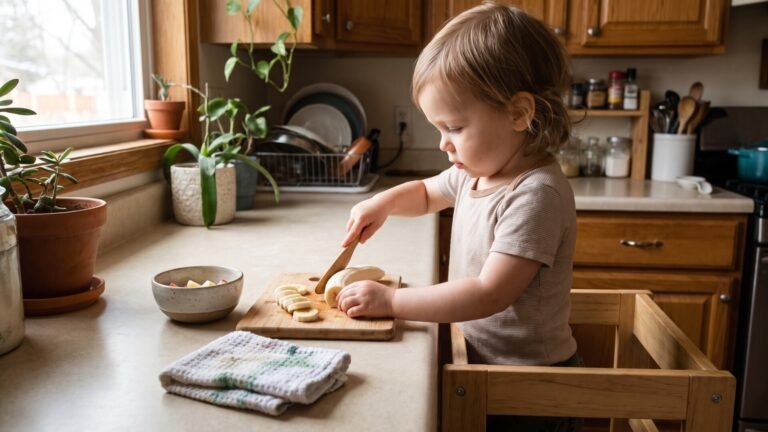
There’s a moment every parent knows: you’re busy at the kitchen counter, and a small voice pipes up, “Me too. I help.” You want to encourage that curiosity, but holding a wiggly toddler on one hip while chopping vegetables isn’t safe or practical. Enter the Montessori learning tower – a raised, secure platform that brings a toddler safely up to counter height. In 2026, these “kitchen helpers” have become one of the most sought‑after tools for fostering independence.
A learning tower is essentially a child‑sized step stool with protective rails. It allows a 2‑year‑old to stand at the counter, wash hands, stir batter, or observe dinner prep without the constant risk of falling off a regular stool. Montessori philosophy emphasises “help me do it myself,” and a learning tower puts that principle into daily action.
But not all towers are created equal. Some wobble. Some are too bulky. Some have dangerous gaps. Which one is safest, most stable, and truly worth the investment for your 2‑year‑old? In this guide, I’ll break down the safety features that actually matter, compare the top‑rated models of 2026, and help you choose the perfect learning tower for your family’s kitchen – whether you have a sprawling farmhouse or a tiny city apartment.
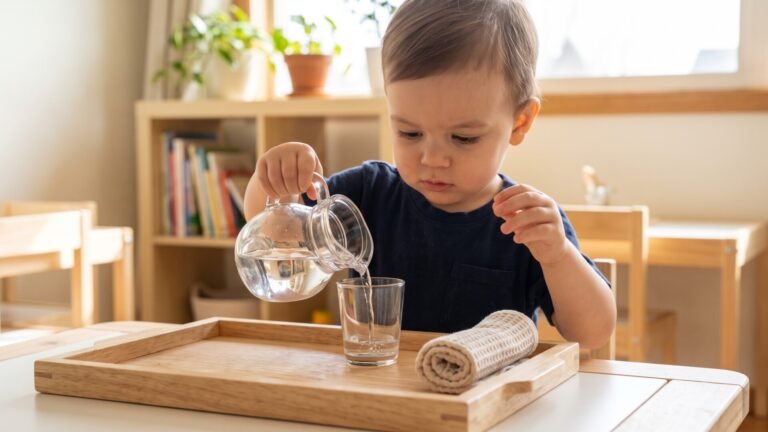
Kitchen helpers such as learning towers give toddlers a safe way to participate in everyday household activities while developing practical skills and independence. For a broader look at the toys, materials, and activities that support these skills beyond the kitchen, see our Montessori Practical Life Toys: Complete Guide.
What Is a Montessori Learning Tower?
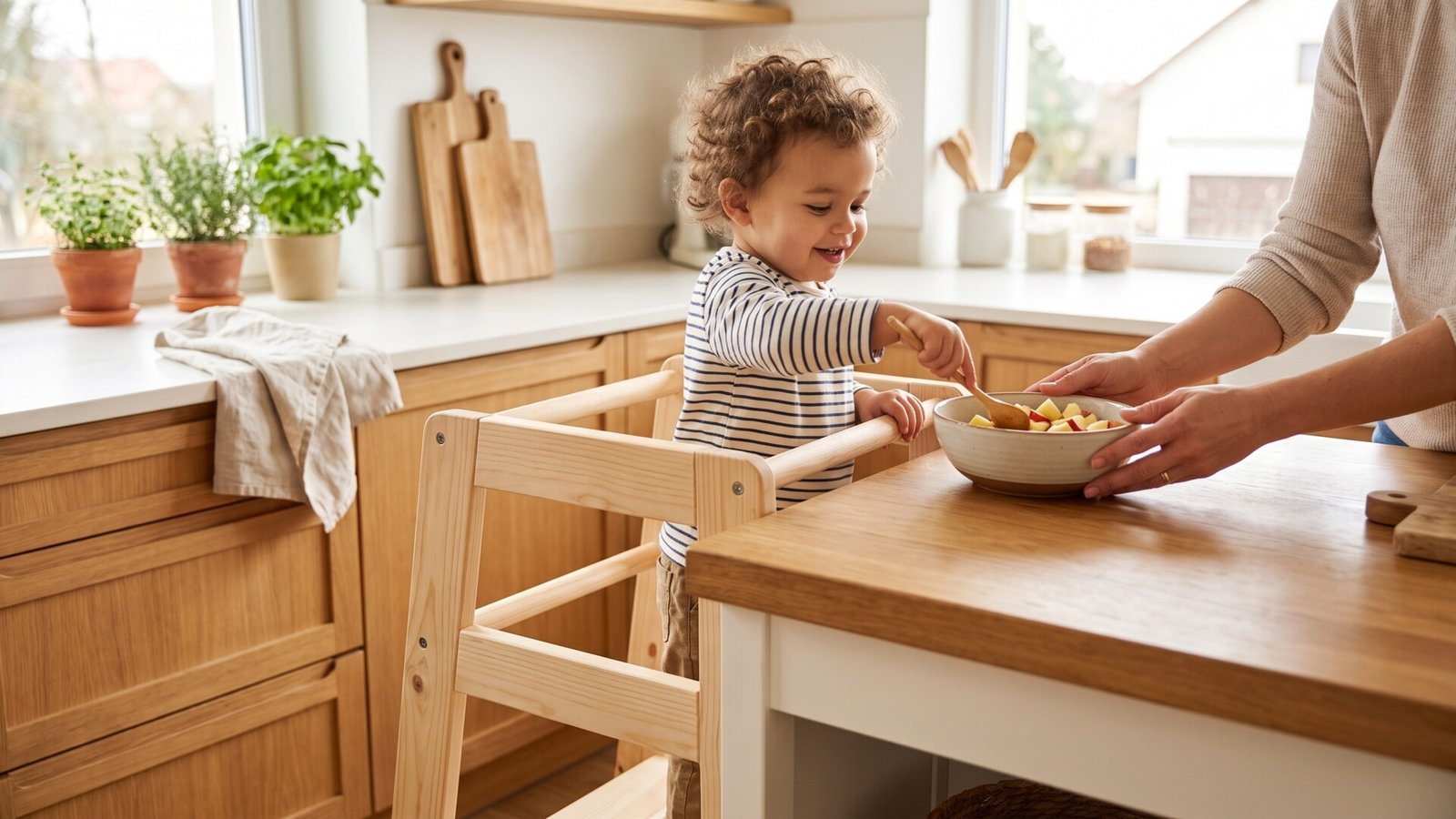
A Montessori learning tower (also called a kitchen helper or toddler step stool) is a child‑sized standing platform surrounded by safety rails. It’s designed to elevate a toddler to counter height so they can safely participate in kitchen activities like washing vegetables, stirring ingredients, or even “washing” dishes at the sink.
Core concept – Unlike a standard step stool (which offers no fall protection), a learning tower has a stable base and guard rails on three or four sides. The child steps into the tower, turns around, and stands on a platform. They can lean forward to reach countertops, but the rails prevent them from stepping off backward or sideways.
Montessori philosophy behind it – Maria Montessori emphasised “practical life skills” – real tasks that build concentration, coordination, and independence. Cooking, pouring, and cleaning are central to this approach. A learning tower makes those tasks accessible. Instead of saying “stay back,” you welcome your child into the heart of the home. It sends a powerful message: “You are capable. You belong here.”
Common use cases – Beyond cooking, towers are used for: handwashing at the kitchen sink, sensory play (water, dough, or beans), baking, helping with dishes, or even painting at a countertop easel. Some families use them in the bathroom so toddlers can reach the sink for toothbrushing.
Age suitability – Most towers are designed for children aged 18 months to 5 years. A 2‑year‑old is the perfect age to start – they can stand steadily, understand simple instructions, and are eager to “help.” As they grow, adjustable platforms let the tower remain useful until they’re tall enough to use a standard step stool.
Why Learning Towers Matter for Development
A learning tower is not just a convenience for parents; it’s a developmental powerhouse. Here’s why.
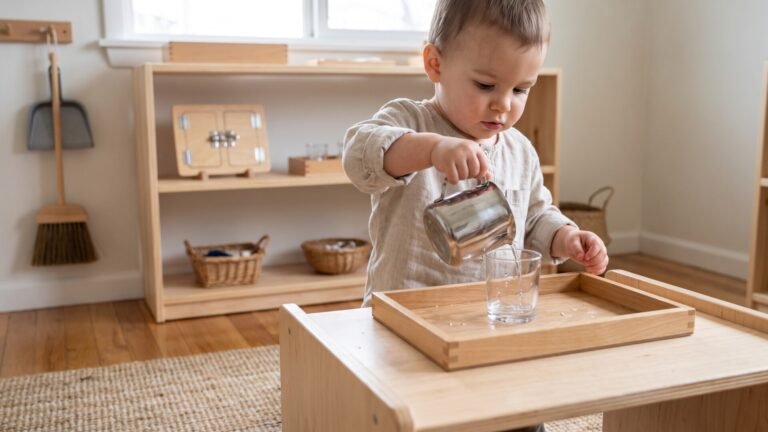
Independence building – When a child can reach the sink or counter on their own, they can wash their hands, pour a cup of water, or help set the table. These small acts build a sense of agency. Over time, they internalise “I can do things myself” – a core driver of self‑confidence.
Motor skill development – Climbing into the tower (stepping up, turning around) builds balance and coordination. Standing at a counter while stirring or scooping strengthens core stability. Fine motor skills get a workout when a child pours beans, uses a rolling pin, or spreads butter.
Cognitive benefits – Following a two‑step instruction (“first pour the flour, then stir”) builds working memory and sequencing. Observing cause and effect (the dough changes texture) teaches scientific thinking. Reading a recipe (with pictures) builds early literacy.
Emotional benefits – Being included in family routines reduces the “get down” frustration and tantrums. Children feel valued. Plus, cooking together creates positive associations with food, which can reduce picky eating.
Family inclusion – Instead of entertaining a toddler with screens or toys while you cook, a learning tower invites them into the action. That hour of cooking becomes quality time, not a chore. It’s a shift from “parent doing” to “family doing together.”
Safety Features That Actually Matter
Safety is the number one concern, and not all towers are designed equally. Here’s what to look for.
Stability and base design – A wide, low‑centre‑of‑gravity base prevents tipping. Look for a footprint where the legs angle outward slightly. Avoid towers with narrow, straight‑up legs – they can tip if a child leans aggressively. The tower should not rock when pushed. Some models have anti‑tip back panels or weighted bases.
Guard rails and enclosures – Full enclosure (rails on all four sides) is safest for younger toddlers (18 months to 2.5 years). As children get older and more coordinated, a three‑sided tower (open front) may be acceptable. Ensure gaps between rails are less than 3 inches to prevent head entrapment. Some towers have an adjustable front rail that can be removed when the child is older.
Adjustable height platforms – A platform that can be raised in 1‑2 inch increments allows the tower to grow with your child. At 18 months, set it low so their elbows rest comfortably on the counter. By age 4, you lower it (or raise the platform) to maintain proper ergonomics. Fixed‑height towers are cheaper but have a shorter usable life.
Non‑slip surfaces – The standing platform should have a textured, anti‑slip coating (like grip tape or rubberised mat). The floor contact points should have rubber feet to prevent sliding on tile or wood. Some towers also have felt pads to protect floors.
Material safety – Solid hardwood (beech, birch, maple) is the most durable and stable. Birch plywood is also strong. Engineered wood (MDF) is cheaper but heavier, prone to chipping, and may contain formaldehyde (look for CARB‑certified or non‑toxic labels). Avoid cheap particleboard. All finishes must be non‑toxic, lead‑free, and water‑based. Many premium towers use linseed oil or plant‑based waxes.
Assembly and hardware – Bolts should be recessed or covered. No sharp edges. Some towers arrive pre‑assembled; others require minor assembly. Check that the weight capacity is clearly stated (most hold 100–150 lbs).
Types of Montessori Learning Towers
Understanding the different styles helps you match a tower to your home and lifestyle.
Fixed‑height towers – Simple, sturdy, and often less expensive. The platform is at one fixed level. Best for a single child or if you don’t mind converting after a year. Example: basic IKEA hack.
Adjustable towers – The platform can be moved up or down via pins or a sliding mechanism. Ideal for long‑term use (18 months to 5 years). Premium models like Sprout have 4–6 height positions.
Foldable towers – These have a hinge mechanism that lets the tower collapse flat for storage. Perfect for small apartments or kitchens with limited space. However, folding mechanisms can sometimes introduce wobble; choose a well‑engineered model.
Convertible furniture towers – 2‑in‑1 designs that turn from a tower into a child’s desk, chair, or art easel. Great for multi‑use rooms. They also serve as a reading nook or activity table when not needed for the kitchen.
Travel towers – Lightweight, collapsible, or modular options designed for easy disassembly and carrying. Not as common; most families buy a separate travel stool.
Pros and Cons of Learning Towers
| Pros | Cons |
|---|---|
| Encourages independence and confidence | Requires dedicated kitchen floor space |
| Safe alternative to holding child or using stools | Still needs adult supervision at all times |
| Long‑term usability (if adjustable) | Quality models can be expensive ($150–300) |
| Strong Montessori alignment – practical life skills | Some cheap models are unstable or poorly built |
| Reduces “held‑in‑arms” stress for parents | Not portable for travel in most cases |
| Positive family togetherness in the kitchen | Can become a climbing toy if not used properly |
Best Montessori Kitchen Helper Towers in 2026
Here are the top‑rated learning towers, tested by parents and beloved by toddlers.
Best Overall: Guidecraft Classic Kitchen Helper Tower
The Guidecraft Classic is the gold standard. Made from solid birch wood with a non‑toxic, water‑based finish, it features a wide, stable base and full‑height safety rails on three sides (open front for counter access). The platform is adjustable to three heights. Weight capacity is 150 lbs. It includes rubber feet to prevent sliding and floor protectors. Assembly is straightforward (about 30 minutes). It’s not foldable, but the classic design blends with most kitchen decors.
| Pros | Cons |
|---|---|
| Extremely stable and sturdy | Not foldable – takes up floor space |
| USA‑made, high‑quality wood | Premium price (around $200–250) |
| Non‑toxic finish, no MDF | Heavier than some budget models |
| Three‑height adjustability | Assembly required |
Price range: $$–$$$
Best for: Families who want the best balance of safety, durability, and design.
Available at Amazon and Target.
Best Budget Option: COSYLAND Folding Learning Tower
The COSYLAND is a foldable, entry‑level tower made from birch plywood with an anti‑slip platform. It folds flat (about 4 inches thick) for easy storage behind a door or in a closet. It has a two‑step height adjustment. The safety rails are full height on three sides. The weight capacity is 110 lbs. Some parents note that the foldable hinges require occasional tightening, but for the price (around $100–130), it’s an excellent value.
| Pros | Cons |
|---|---|
| Very affordable | Slightly less stable than fixed towers |
| Folds flat – perfect for small spaces | Hinges may wear over time |
| Lightweight (15 lbs) | Assembly instructions can be unclear |
| Non‑slip platform | Platform adjustability is limited to two heights |
Price range: $
Best for: Apartments, small kitchens, or as a second tower for grandparents’ house.
Available on Amazon.
Best Premium Pick: Sprout Kids Adjustable Montessori Tower
Sprout Kids is a high‑end brand known for heirloom‑quality design. Their adjustable tower is made from premium Baltic birch plywood with a food‑safe, zero‑VOC finish. The platform adjusts to four heights (no tools needed – uses a clever pin system). The tower has a wide footprint for stability and includes anti‑tip bumpers. It comes fully assembled (a huge plus). It’s also available in several modern colours (natural, white, grey, navy). Price is around $280–320.
| Pros | Cons |
|---|---|
| Beautiful, modern design | Very expensive |
| Comes fully assembled | Heavy (25+ lbs) – not for moving often |
| Four height settings | Long wait times (often backordered) |
| Extremely stable and safe | Large footprint – needs floor space |
Price range: $$$
Best for: Design‑conscious families, long‑term investment, or as a gift from grandparents.
Available at Sprout Kids and specialty Montessori retailers.
Best Compact Option: IKEA BEKVÄM Hack Learning Tower
The IKEA BEKVÄM step stool is the most popular DIY base for a learning tower. You buy the stool (25)andthenaddwoodenrailsorpurchaseaprefabricatedconversionkit(soldonEtsyorAmazonfor40–60). The result is a custom, compact tower that costs under $100 total. The platform is not adjustable, so it’s best for ages 2–3 (or you can rebuild later). Stability is good if you attach rails securely.
| Pros | Cons |
|---|---|
| Very cheap | Requires DIY skills or conversion kit |
| Compact footprint | No height adjustment |
| Easily repurposed when outgrown | Rails may not be as sturdy as factory‑made |
| Lightweight and portable | IKEA stool alone is not safe – must add rails |
Price range: $
Best for: Budget‑conscious, crafty families who want a small footprint.
Available at IKEA and conversion kits on Amazon.
Best 2‑in‑1 Convertible Tower: Little Partners Explore & Store Tower
The Little Partners Explore & Store Tower is a multifunctional design: it works as a learning tower, then converts into a child’s desk, art table, or storage unit. The platform adjusts to four heights, and the front rail is removable for older children. It has a large, stable base and includes a seat cushion (for desk mode). It’s made from solid wood with non‑toxic finish. Price is around $200–230.
| Pros | Cons |
|---|---|
| Two‑in‑one – grows from tower to desk | Larger footprint than dedicated towers |
| Built‑in storage compartment | Conversion requires removing parts |
| Removable front rail | Heavier (approx 30 lbs) |
| Good stability | Not foldable |
Price range: $$–$$$
Best for: Families with limited space who want dual‑purpose furniture.
Available at Amazon and Target.
Stability, Safety, and Value
| Tower | Stability | Adjustability | Space Efficiency | Durability | Price Range | Best For |
|---|---|---|---|---|---|---|
| Guidecraft Classic | Very High | High (3 heights) | Medium | Very High | $$–$$$ | Best overall |
| COSYLAND Folding | Medium‑High | Medium (2 heights) | Very High | Medium | $ | Small spaces |
| Sprout Adjustable | Very High | Very High (4 heights) | Medium | Very High | $$$ | Premium buyers |
| IKEA BEKVÄM Hack | Medium (with rails) | None | High | Medium | $ | DIY budget |
| Little Partners 2‑in‑1 | High | High (4 heights) | Medium‑High | High | $$ | Versatile use |
How to Choose the Right Learning Tower
Consider your home, your child, and your lifestyle.
For small apartments – Foldable towers (COSYLAND) or compact DIY hacks (IKEA) are best. Measure your kitchen clearance – some towers need a 24″×24″ footprint.
For long‑term use – Adjustable height towers (Guidecraft, Sprout) grow from 18 months to 5 years. Pay upfront for longevity.
For maximum safety – Choose a wide‑base, fixed‑leg tower with full‑height rails on three or four sides. Avoid narrow, foldable designs if you have a very active child.
For design‑conscious homes – Sprout, Little Partners, or high‑end wooden towers in neutral colours complement modern kitchens.
For budget buyers – IKEA hack or COSYLAND folding tower offer safe options under $130. Just ensure you add proper rails to the IKEA stool.
Extra tip – If you have twins or two young children, consider a larger tower that has a wider platform or buy two separate towers. Some brands offer XL versions.
Extended FAQ Section
1. Are learning towers safe for 2‑year‑olds?
Yes, when used as directed and with adult supervision. A well‑designed tower with a wide base, anti‑tip construction, and full rails is much safer than a regular stool or letting a child stand on a chair.
2. What age should children start using them?
Most manufacturers recommend 18 months to 2 years. By age 2, most children can climb in and stand confidently. Always supervise closely at the beginning.
3. Do I need constant supervision?
Yes. A learning tower is a tool, not a babysitter. Never leave a toddler unattended in a tower. Falls can still happen if a child leans too far or climbs over the rails.
4. Can learning towers tip over?
Cheap, narrow designs can tip. Look for a base that is as wide as the tower’s height. Anti‑tip back legs or wall‑mount straps add extra safety. The towers I recommend are engineered to be extremely tip‑resistant.
5. What is the safest type of tower?
A fixed, non‑foldable tower with a wide footprint, full‑coverage rails on at least three sides, and an anti‑slip platform. The Guidecraft Classic and Sprout are excellent examples.
6. Are foldable towers less stable?
Potentially, yes. The folding mechanism introduces moving parts that can develop wobble over time. However, well‑made foldable towers (like COSYLAND) are still quite stable for average use. Tighten hinges every few months.
7. How long do kids typically use them?
With an adjustable height tower, most children use it from age 2 until age 5 or 6, when they can safely use a regular step stool. That’s 3–4 years of daily use – excellent value.
8. Can they be used outside the kitchen?
Absolutely. Use them at a bathroom sink for toothbrushing, at a craft table, next to a counter for sensory bins, or even as a gardening helper. Some families also use them in the garage for potting plants.
9. Do Montessori towers really help development?
Yes. Occupational therapists and Montessori educators widely recommend them. They build balance, coordination, sequencing, and confidence. Children who use learning towers often show greater willingness to participate in daily routines.
10. Where can I buy them through affiliate programs?
Links are embedded in this article for Amazon, Target, IKEA, and specialty retailers. Shopping through these links supports ToyGuideHub at no extra cost.
Conclusion
A Montessori learning tower is an investment in your child’s independence, your family’s togetherness, and your own sanity. The right tower will transform kitchen time from a frustration into a collaboration. For most families, the Guidecraft Classic Kitchen Helper Tower offers the best balance of safety, durability, and value. If space is tight, the COSYLAND Folding Tower is a brilliant alternative. For those who want heirloom quality and modern style, Sprout is worth the splurge.
Remember: no tower replaces active supervision. But with the right tower and a little patience, you’ll soon hear “I help!” and genuinely look forward to saying, “Yes, come on up.”
- Best overall pick: Guidecraft Classic Kitchen Helper Tower
- Best budget option: COSYLAND Folding Learning Tower
- Best premium option: Sprout Adjustable Montessori Tower
- Best space‑saving option: IKEA BEKVÄM Hack Tower
- Best 2‑in‑1: Little Partners Explore & Store Tower
Because sometimes the most powerful “toy” in a toddler’s world is simply being allowed to stand where the real work of life happens. The imperfectly stirred batter and the water splashed on the counter – those are the moments of true learning.
Check current pricing and availability:
- Guidecraft Classic Tower on Amazon / Target
- COSYLAND Folding Tower on Amazon
- Sprout Adjustable Tower via Montessori retailers
- IKEA BEKVÄM at IKEA stores
- Little Partners 2‑in‑1 Tower on Amazon / Target