The 5 Best Electric Ride-On Cars for Kids: Battery Life & Speed Comparison
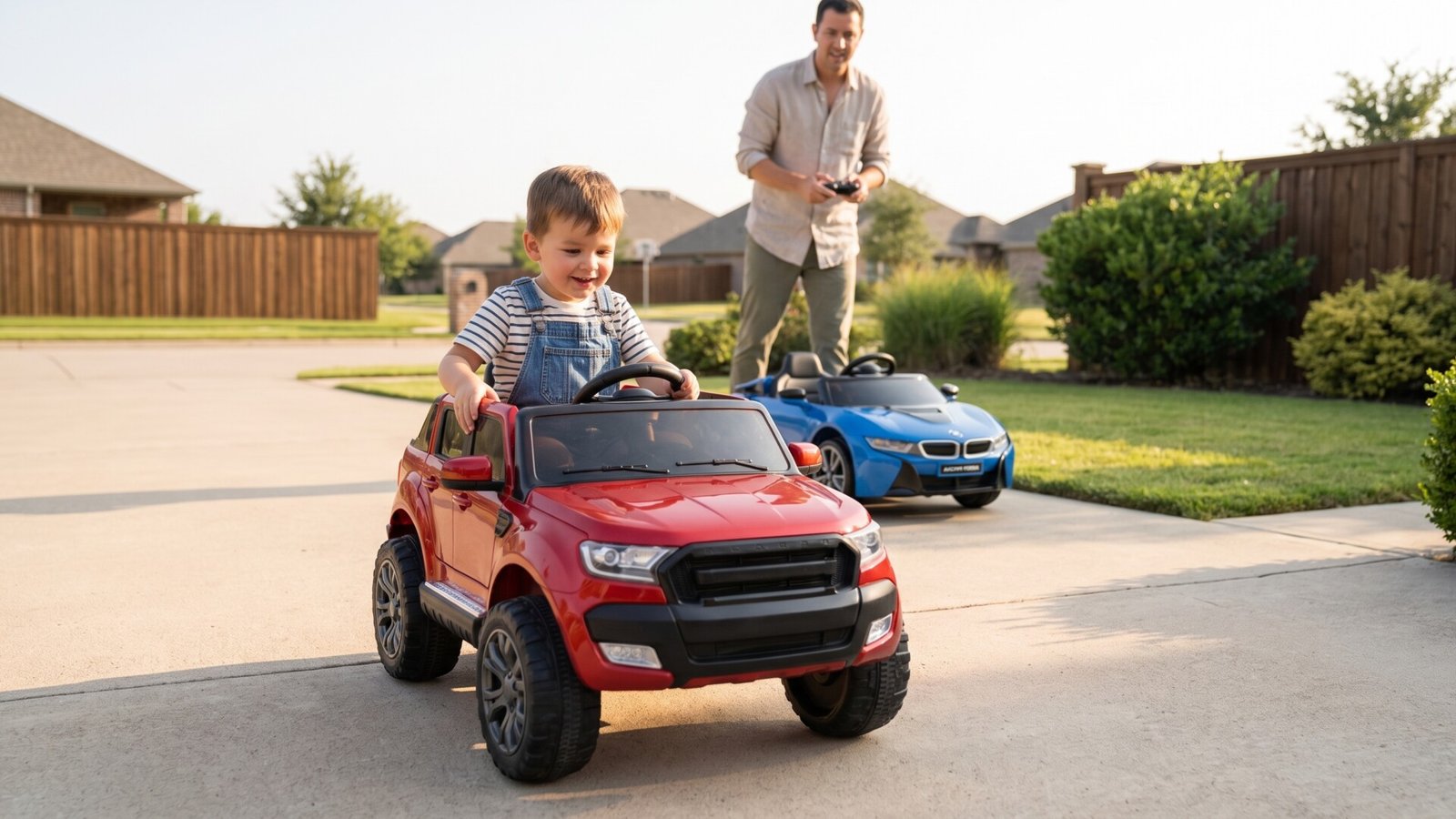
There’s a moment every parent remembers: the first time your child gets behind the wheel of a battery‑powered ride‑on car. Their eyes light up. They grip the steering wheel like a pro. And then they floor it—at a thrilling 3 or 4 miles per hour—and you realize you’ve just bought a ticket to hours of outdoor joy.
Electric ride‑on cars have come a long way. In 2026, you’ll find everything from licensed Mercedes replicas to rugged off‑road Jeeps, with battery technology that lasts longer and safety features that give parents peace of mind. But with so many choices, how do you pick the right one? Battery life, speed, weight capacity, and build quality all matter.
In this guide, I’ll walk you through the five best electric ride‑on cars for kids, comparing run times, top speeds, safety features, and overall value. Whether you have a toddler ready for their first slow cruise or a bigger kid who wants to tear up the driveway, you’ll find a great option here. Many of these ride‑on cars are available through Amazon, Target, Ryder Toys, and Friendly Toy Box affiliate programs—look for links throughout the article to check current pricing and availability.
Key Features to Consider in Electric Ride‑On Cars
Before you buy, understand what separates a great ride‑on car from a disappointing one. These features will directly affect how much your child enjoys it and how long it lasts.
Battery Life – Most kids’ ride‑on cars use 6V, 12V, or 24V batteries. Voltage affects both speed and run time. A 6V battery typically lasts 30–40 minutes per charge, perfect for toddlers. A 12V battery gives 45–60 minutes, enough for longer play sessions. Charging time is usually 8–12 hours, so plan for overnight charging.
Speed & Controls – Toddler cars max out around 2–3 mph. For older kids (3–7 years), speeds of 4–5 mph are common. Some models offer a parental remote control—a lifesaver for young children who haven’t mastered steering. Adjustable speed modes (low/high) let you increase speed as your child gains confidence.
Weight Capacity & Age Range – Most ride‑on cars support 50–80 lbs. Two‑seater models often go up to 130 lbs combined. Always check the manufacturer’s recommendation. Overloading strains the motor and battery.
Safety Features – Non‑negotiable: seat belts, automatic brakes (the car stops when your child lifts off the pedal), and a speed limiter. Parental remote controls add an extra layer of safety for beginners. Some models have soft start technology to prevent jerky acceleration.
Build Quality & Durability – Look for reinforced plastic frames, puncture‑proof tires (EVA foam or rubber), and weather‑resistant electronics. Off‑road models need thicker wheels and better suspension. Licensed cars (e.g., Jeep, Mercedes) often have higher build standards.
Ease of Assembly & Maintenance – Most ride‑on cars arrive partially assembled. You’ll need to attach wheels, steering wheel, and sometimes the battery. Basic tools are usually included. Maintenance includes charging the battery properly, cleaning the wheels, and checking for loose screws every few months.
Types of Electric Ride‑On Cars
Understanding the different types helps you match the car to your child’s age, your yard, and your budget.
Single‑Seat Cars – The most common type. Perfect for toddlers or small yards. They are lighter, cheaper, and easier to store. However, only one child can ride at a time.
Two‑Seater Cars – Ideal for siblings or playdates. These are larger, heavier, and more expensive, but they allow two children to ride together (great for cooperative play). Make sure the weight capacity is sufficient for both kids.
Licensed Cars – These are officially branded replicas of real vehicles: Jeeps, Mercedes‑Benz, Ford Mustangs, and even Teslas. They come with realistic badges, dashboard details, and often authentic sounds. They cost more but offer a premium experience.
Off‑Road vs. Street Models – Off‑road models have rugged, treaded tires, better suspension, and sometimes higher ground clearance. They can handle grass, dirt, and gravel. Street models are designed for smooth pavement and driveways, with slicker tires that wear out quickly on rough terrain.
The 5 Best Electric Ride‑On Cars for Kids
1 High‑End Options (Cars 1–2)
#1 Power Wheels Jeep Wrangler (12V)
Amazon | Target
The Power Wheels Jeep Wrangler is a classic for a reason. This two‑seater beast features a 12V battery that delivers up to 60 minutes of run time on a full charge. Top speed is 5 mph, which feels fast enough for adventurous 3‑to‑7‑year‑olds. The rugged, off‑road tires handle grass, dirt, and gravel with ease. Parental remote control lets you override the steering and speed if needed.
Battery & Run Time: 12V / 60 minutes.
Max Speed: 5 mph.
Key Features: Two seats, working doors, realistic dashboard, storage in the back.
Pros: Incredibly durable; great for rough terrain; remote control adds safety.
Cons: Heavy (assembly required); expensive ($250–$300).
Best for: Families with a yard and two kids who want off‑road adventure.
Check Power Wheels Jeep Wrangler on Amazon →
#2 Peg Perego John Deere Gator (12V)
Amazon | Ryder Toys
The Peg Perego John Deere Gator is built like a real utility vehicle. It has a 12V battery (50–60 minute run time) and a top speed of 4 mph – slightly slower than the Jeep but very safe for younger children. The dump bed in the back actually tilts, letting kids haul toys or sand. The tires are thick and treaded for grass and dirt.
Battery & Run Time: 12V / 50–60 minutes.
Max Speed: 4 mph.
Key Features: Dump bed, two seats, forward and reverse, realistic engine sounds.
Pros: Extremely sturdy; high weight capacity (130 lbs total); easy to drive.
Cons: No parental remote; pricey ($280–$320).
Best for: Toddlers who love trucks and want a rugged, simple vehicle.
Shop Peg Perego John Deere Gator at Ryder Toys →
2 Mid‑Range Options (Cars 3–4)
#3 Rollplay Mercedes Benz GLA (6V/12V)
Amazon | Friendly Toy Box
The Rollplay Mercedes GLA is a licensed replica that looks fantastic. It comes with a 6V battery (or an optional 12V upgrade). Standard run time is 45–50 minutes, with a top speed of 3–4 mph depending on voltage. Features include a working horn, LED headlights, a seat belt, and realistic dashboard controls. The single seat is roomy and comfortable.
Battery & Run Time: 6V / 45–50 min (12V upgrade available).
Max Speed: 3–4 mph.
Key Features: Licensed Mercedes design, MP3 input, parental remote.
Pros: Beautiful styling; smooth on pavement; easy assembly.
Cons: Not for off‑road; smaller weight capacity (60 lbs).
Best for: Kids who love luxury cars and mostly drive on driveways or sidewalks.
Explore Rollplay Mercedes GLA at Friendly Toy Box →
#4 Kid Trax Dodge Charger (12V)
Amazon | Ryder Toys
The Kid Trax Dodge Charger is a muscle car for kids. It runs on a 12V battery (40–50 minute run time) and reaches 5 mph. The car features working LED lights, a horn, an engine sound, and a parental remote control. The tires are durable rubber for pavement, and the body is reinforced plastic. It’s a single‑seater, but the seat is large enough for most 3‑to‑7‑year‑olds.
Battery & Run Time: 12V / 40–50 minutes.
Max Speed: 5 mph.
Key Features: Realistic lights and sounds; remote control; speed limiter.
Pros: Fast and fun; great for older kids; cool styling.
Cons: Run time shorter than Jeep; not for grass.
Best for: Kids who want a sporty ride on smooth surfaces.
Get Kid Trax Dodge Charger at Ryder Toys →
3 Budget‑Friendly Option (Car 5)
#5 Best Choice Products Jeep (6V)
Amazon | Target
The Best Choice Products Jeep is an affordable entry into ride‑on cars. It uses a 6V battery that provides 30–40 minutes of run time, with a top speed of 3 mph. Perfect for toddlers aged 2–5. Features include a seat belt, working headlights, and a simple forward/reverse switch. Assembly is straightforward, and the plastic body is lightweight.
Battery & Run Time: 6V / 30–40 minutes.
Max Speed: 3 mph.
Key Features: Basic safety; easy to drive; compact size.
Pros: Very affordable ($180–$220); lightweight; good for small yards.
Cons: Short run time; slower; less durable than premium models.
Best for: First‑time riders or families on a tight budget.
Shop Best Choice Products Jeep on Amazon →
Battery Life, Speed, and Safety
| Car Model | Battery Voltage & Type | Run Time | Max Speed | Safety Features | Age Range | Price Range | Affiliate Program |
|---|---|---|---|---|---|---|---|
| Power Wheels Jeep Wrangler | 12V | 60 min | 5 mph | Seat belt, remote control, auto brake | 3–7 | $250–$300 | Amazon / Target |
| Peg Perego John Deere Gator | 12V | 50–60 min | 4 mph | Seat belt, forward/reverse, sturdy frame | 3–6 | $280–$320 | Amazon / Ryder Toys |
| Rollplay Mercedes GLA | 6V (12V opt) | 45–50 min | 3–4 mph | Seat belt, parental remote, soft start | 3–6 | $220–$250 | Amazon / Friendly Toy Box |
| Kid Trax Dodge Charger | 12V | 40–50 min | 5 mph | Remote control, lights, horn, auto brake | 3–7 | $240–$280 | Amazon / Ryder Toys |
| Best Choice Products Jeep | 6V | 30–40 min | 3 mph | Seat belt, basic brake | 2–5 | $180–$220 | Amazon / Target |
Tips for Safe Ride‑On Car Use
Electric ride‑on cars are safe when used correctly, but adult supervision and common sense are essential.
Always supervise young children – Even with a parental remote, keep an eye on your child. Toddlers can drive into bushes, curbs, or the street if left alone.
Limit speed according to age and terrain – Use the low‑speed setting (if available) for beginners. On grass, speeds will naturally be slower. On pavement, the car can reach its max, so ensure your child has good steering control.
Ensure the battery is fully charged and maintained – Never leave the battery on the charger overnight. Charge in a dry, cool area. Replace the battery every 1–2 years or when run time drops significantly.
Inspect tires, wheels, and frame before each use – Check for loose screws, low tire pressure (on rubber tires), and cracks in the plastic. Tighten wheel nuts periodically.
Teach children safe driving habits – Stop at the end of the driveway. Don’t drive near pools or stairs. Don’t ride on public roads. Use hand signals (even if they’re just for fun).
Indoor vs. outdoor usage – Most ride‑on cars are for outdoor use only. Using them indoors can damage floors and furniture. However, some small 6V models can be used in a basement or garage with supervision.
Store the car properly – If you live in a cold climate, store the car in a garage or shed during winter. Extreme cold can damage the battery and plastic. Remove the battery and keep it indoors if storing for months.
Frequently Asked Questions About Electric Ride-On Cars
Which electric ride‑on car is best for toddlers (age 2–3)?
For toddlers, choose a 6V model with a maximum speed of 2–3 mph. The Best Choice Products Jeep or a similar small single‑seater is ideal. Parental remote control is a big plus. Also, look for cars with a wide wheelbase for stability.
How long does the battery last?
Run time is typically 30–60 minutes per full charge, depending on voltage, terrain, and weight of the rider. Charging takes 8–12 hours. Always follow the manufacturer’s instructions – overcharging can shorten battery life.
Can multiple children use the same car?
Only if the car is designed as a two‑seater (like the Power Wheels Jeep or Peg Perego Gator). Using a single‑seater with two children will overload the motor, reduce battery life, and could be unsafe.
Are ride‑on cars safe on uneven terrain?
Off‑road models with large, treaded tires and better suspension can handle grass, packed dirt, and gravel. However, steep hills, mud, or rocky surfaces are not safe. Always supervise and avoid slopes.
Do they require assembly?
Yes, most ride‑on cars require some assembly – usually attaching wheels, steering wheel, seat, and sometimes the battery. Expect 30–60 minutes of work with basic tools (screwdriver, wrench). Many come with clear instructions.
Can batteries be replaced or upgraded?
Yes, replacement 6V and 12V batteries are widely available. Some users upgrade from 6V to 12V for more speed, but this can strain the motor and void the warranty. Stick with the manufacturer’s recommended voltage unless you’re experienced.
What maintenance is required?
Regularly check tire pressure (if rubber), tighten screws, clean dirt from wheels, and charge the battery properly. Once a year, inspect the wiring for corrosion. Store indoors during extreme weather.
Conclusion
Choosing the right electric ride‑on car for your child comes down to balancing battery life, speed, safety, and budget. If you have two kids and a large yard, the Power Wheels Jeep Wrangler (60 minutes, 5 mph) is tough to beat. For toddlers or budget‑conscious families, the Best Choice Products Jeep (30–40 minutes, 3 mph) offers a safe, affordable start. The Peg Perego John Deere Gator is perfect for little truck lovers, while the Rollplay Mercedes and Kid Trax Dodge Charger bring style and sporty fun.
Remember: the best ride‑on car is one that fits your child’s age, your yard, and your supervision style. Always prioritise safety features like seat belts, parental remote controls, and speed limiters. With proper care, these cars can provide years of outdoor excitement.
Check current pricing and availability through our recommended partners to find the perfect ride‑on car for your child: