Toys That Build Early Math Foundations: A Parent’s Guide
Early childhood is a critical period for building foundational math skills. Long before children enter formal schooling, they can develop number sense, spatial reasoning, counting, pattern recognition, and problem-solving abilities—all through play. Toys aren’t just entertainment; they are powerful tools for learning math concepts naturally.
This guide explores the best types of toys to foster early math skills, offers tips on choosing age-appropriate toys, and provides practical ways to integrate learning into daily routines.
Why Early Math Matters
Research consistently shows that early numeracy predicts later academic success. Children exposed to numbers, patterns, shapes, and problem-solving from a young age develop stronger cognitive skills and confidence in mathematics.
Math skills in early childhood include:
- Counting and number recognition: Recognizing quantities and associating symbols with numbers
- Patterns and sequencing: Understanding order and relationships between objects
- Shapes and spatial awareness: Recognizing geometric forms and understanding how objects relate in space
- Sorting and categorization: Developing logical thinking and organization
- Problem-solving and reasoning: Experimenting and figuring out solutions
Toys can make all of these interactive, hands-on, and fun, allowing children to absorb concepts without pressure or worksheets.
Key Principles for Choosing Early Math Toys
Before we explore specific toys, here are guiding principles to ensure your child gets the most out of math-based play:
- Age Appropriateness
- For toddlers, focus on counting, shapes, and simple sorting.
- Preschoolers can tackle patterns, sequencing, and early arithmetic concepts.
- Hands-On, Interactive Learning
- Physical manipulation—stacking, sorting, or building—reinforces number sense and spatial reasoning.
- Open-Ended Play
- Toys that can be used in multiple ways encourage problem-solving and experimentation.
- Incremental Challenge
- Toys should grow with your child, allowing them to explore more advanced concepts over time.
- Fun and Engaging
- Bright colors, interesting textures, and interactive elements keep children engaged while learning.
Top Categories of Math Learning Toys
1. Counting and Number Recognition Toys
These toys help children associate numerals with quantities, a foundational math skill.
Examples:
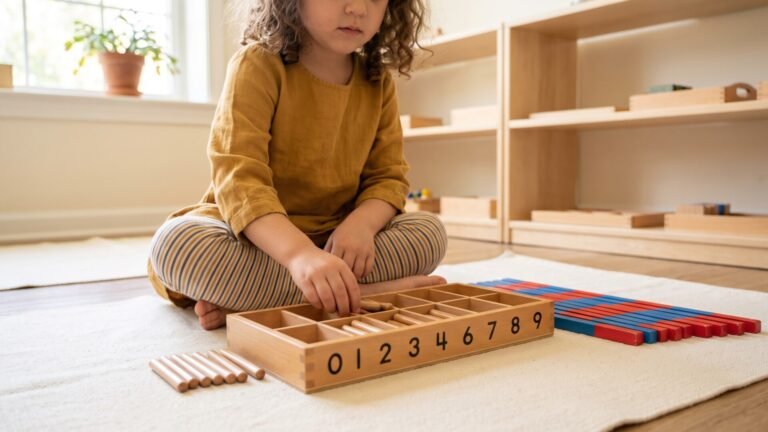
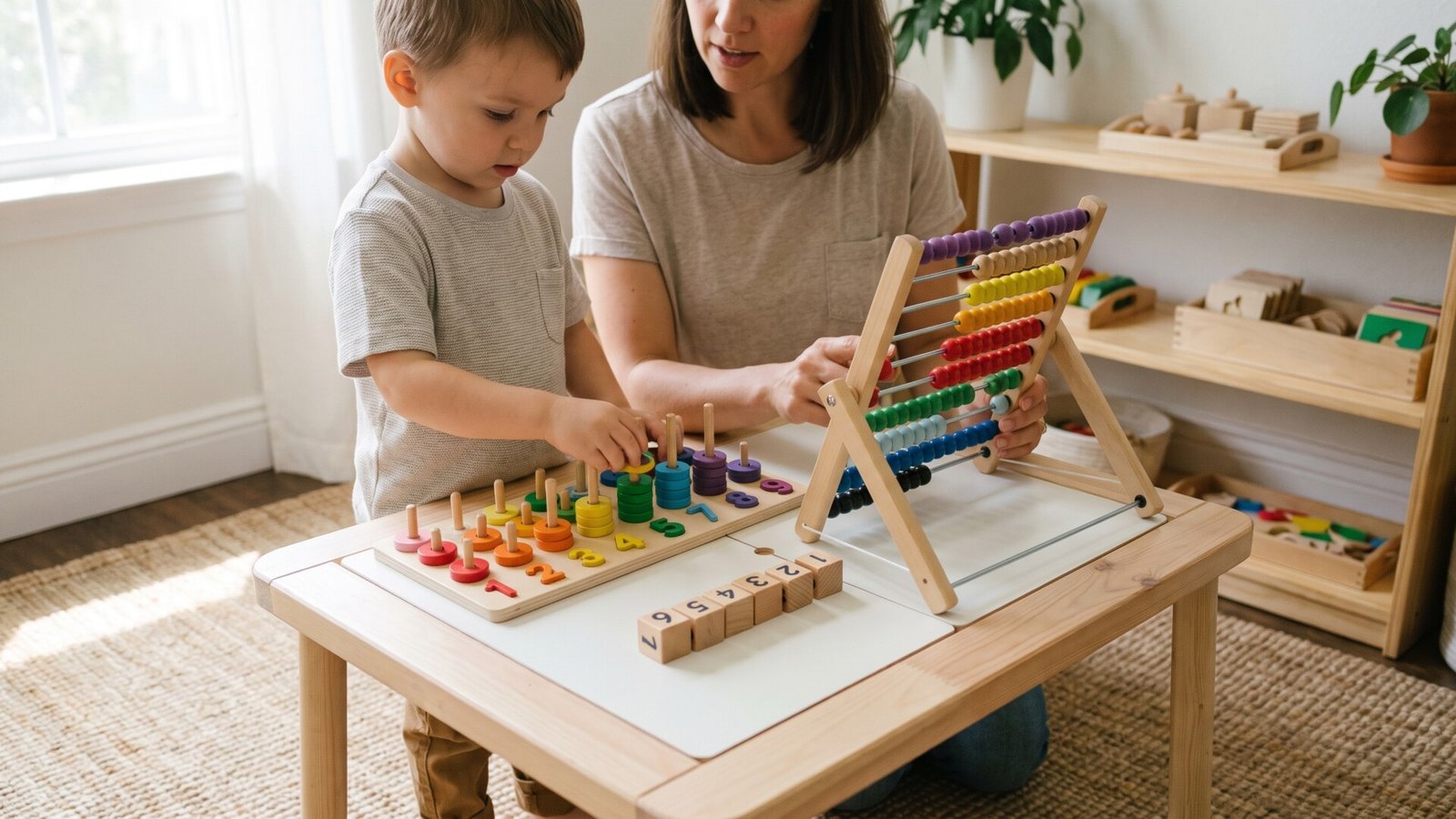
- Abacus: Sliding beads develop one-to-one correspondence, counting, and simple arithmetic.
- Number Puzzles: Match numerals to the correct number of pegs or images.
- Counting Bears or Blocks: Children sort, stack, and count physical objects to reinforce numbers.
Parent Tip: Turn counting into a daily routine. Count steps, snack pieces, or toys as children play.
2. Shape and Geometry Toys
Learning about shapes and spatial reasoning lays the groundwork for geometry and problem-solving.
Examples:
- Shape Sorters: Match shapes to corresponding slots; develops visual discrimination and logic.
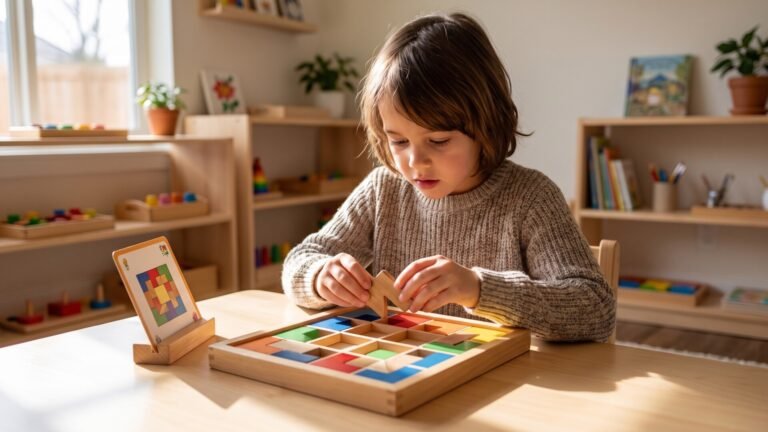
- Tangrams: Introduce geometric concepts and creative problem-solving.
- Stacking Blocks: Build towers, bridges, and structures while exploring balance and symmetry.
Parent Tip: Encourage children to name shapes and compare sizes during play.
3. Patterning and Sequencing Toys
Recognizing patterns is a critical skill for algebra readiness and logical thinking.
Examples:
- Bead Mazes: Arrange beads in color or size patterns.
- Pattern Blocks: Build sequences with colored geometric shapes.
- Sequence Cards or Games: Encourage ordering events, numbers, or objects logically.
Parent Tip: Ask children, “What comes next?” to reinforce predictive thinking.
4. Sorting and Categorization Toys
Sorting helps children see relationships, differences, and similarities, which is key for mathematical reasoning.
Examples:
- Sorting Bears or Counters: Sort by color, size, or shape.
- Stackable Cups or Rings: Sort, nest, and arrange according to size.
- Puzzle Boxes: Sort shapes, animals, or objects into compartments.
Parent Tip: Make sorting playful—use snacks, toys, or natural objects from a walk.
5. Board Games and Educational Apps
Board games can introduce turn-taking, strategy, and counting in a social context.
Examples:
- Chutes & Ladders: Reinforces counting, ordinal numbers, and turn-taking.
- Hi Ho! Cherry-O: Combines counting, subtraction, and fine motor skills.
- Educational Apps: Apps like Montessori Numberland or Endless Numbers combine interactive play with number concepts.
Parent Tip: Limit screen time and use apps as supplemental tools, not primary learning sources.
Toys That Integrate STEM Learning
Many toys blend math with science, engineering, and problem-solving:
- LEGO Duplo or Classic LEGO: Count bricks, build symmetric structures, and explore spatial reasoning.
- Magnetic Tiles: Create 2D and 3D patterns while learning about shapes and symmetry.
- STEM Kits: Introduce basic arithmetic concepts alongside engineering challenges.
Parent Tip: Encourage children to describe their creations, counting pieces, and noticing patterns in their structures.
Role of Everyday Objects
Math learning doesn’t require a toy store—it can happen with household items:
- Cups, spoons, and bowls for sorting and counting
- Clothing buttons for patterning exercises
- Snack items for addition and subtraction games
Parent Tip: Ask children to predict outcomes (“How many pieces if we add one more?”) to develop reasoning skills.
Making Math Play Engaging
To keep math playful:
- Combine Physical and Visual Learning
- Move from manipulating objects to drawing, tracing, or writing numbers.
- Encourage Storytelling and Context
- Use toys to tell stories: “The red block wants to stack on the blue block.”
- Introduce Friendly Competition
- Games with peers or siblings develop social skills and math fluency.
- Celebrate Mistakes as Learning Opportunities
- Problem-solving is key; mistakes teach flexibility and resilience.
Recommended Math Learning Toys by Age
| Age | Toy Types | Example Toys |
|---|---|---|
| 1–2 years | Counting, stacking, shape sorters | Stacking cups, peg puzzles, chunky number blocks |
| 2–3 years | Number recognition, sorting, simple patterns | Counting bears, shape sorters, bead mazes |
| 3–4 years | Sequencing, simple addition/subtraction | Pattern blocks, Hi Ho! Cherry-O, number puzzles |
| 4–5 years | More complex patterns, early algebra, board games | LEGO Duplo, magnetic tiles, Chutes & Ladders |
| 5–6 years | Early problem-solving, spatial reasoning | STEM building kits, fraction puzzles, advanced LEGO sets |
Integrating Math Toys into Daily Play
- Snack Time Counting: Count grapes, crackers, or pieces of fruit.
- Nature Walk Sorting: Collect leaves, rocks, or flowers and sort by size, shape, or color.
- Building Challenges: Create towers or patterns using blocks or LEGO.
- Story-Based Counting: Incorporate numbers into storytelling or pretend play.
Parent Tip: Math doesn’t have to be formal—integrate learning into everyday routines for consistent reinforcement.
Benefits of Early Math Toys
- Stronger Numeracy Skills: Counting, recognizing numbers, and simple arithmetic.
- Cognitive Development: Problem-solving, sequencing, and logical reasoning.
- Fine and Gross Motor Skills: Manipulating toys develops coordination.
- Confidence and Independence: Children feel capable when they solve problems themselves.
- Early STEM Foundation: Toys build early skills in geometry, measurement, and spatial awareness.
Choosing Quality Math Toys
When selecting toys, consider:
- Durability: Wooden or high-quality plastic for long-term use
- Safety: Non-toxic, no small parts for toddlers
- Adaptability: Toys that grow with the child, offering multiple levels of challenge
- Engagement: Bright colors, textures, or interactive features to maintain interest
Conclusion:
Early math foundations don’t require worksheets or pressure—they thrive through hands-on, playful experiences. With the right toys, children can count, sort, stack, and pattern their way to strong numeracy skills, preparing them for a lifelong love of learning.
Want to keep your child engaged while developing important math skills? Check out our Montessori Math Games for Kids sub-hub, packed with hands-on activities, playful games, and educational kits that nurture counting, problem-solving, and early logical thinking.