Tiny Hands, Big Skills: Encouraging Fine Motor Development at Home
Fine motor skills are the foundation of many everyday tasks—from holding a crayon and buttoning a shirt to building a LEGO tower or tying shoelaces. Developing these small muscle movements in the hands and fingers is crucial for preschoolers and school-age children, yet it can be a fun, natural part of everyday life.
This guide explores what fine motor development is, why it matters, and how parents can support it through play, daily routines, and creative activities at home.
What Are Fine Motor Skills?
Fine motor skills involve small movements using the hands, fingers, and wrists. Unlike gross motor skills, which involve larger muscles (running, jumping), fine motor skills are needed for precision and control.
Examples include:
- Grasping a pencil or crayon
- Picking up small objects like beads
- Using scissors or utensils
- Manipulating buttons, zippers, or shoelaces
These skills are not just about hand-eye coordination—they also support cognitive development, problem-solving, and independence.
Why Fine Motor Development Matters
1. Academic Readiness
Children with strong fine motor skills are better equipped for writing, drawing, and using scissors, which are essential for school success.
2. Everyday Independence
From feeding themselves to dressing, fine motor skills help children do things on their own, building confidence and self-reliance.
3. Cognitive and Sensory Benefits
Activities that build fine motor control often integrate planning, focus, and sensory feedback, strengthening cognitive connections in the brain.
4. Emotional Growth
Completing tasks like threading beads, stacking blocks, or drawing helps children feel capable and proud, reinforcing perseverance and patience.
How Children Develop Fine Motor Skills
Fine motor skills develop gradually and are influenced by:
- Age: Younger children start with basic grasping and progress to precision grips
- Practice: Frequent, playful repetition strengthens muscles and coordination
- Variety: Exposure to different textures, tools, and activities encourages adaptability
Typical milestones include:
| Age | Fine Motor Skills |
|---|---|
| 6–12 months | Raking, grasping small objects, transferring between hands |
| 1–2 years | Pincer grasp, turning pages, stacking 2–4 blocks |
| 2–3 years | Simple drawing lines, threading large beads, using utensils |
| 3–4 years | Scissor use, drawing basic shapes, building towers |
| 4–5 years | Detailed drawing, tracing letters, manipulating small objects |
| 5–6 years | Writing letters, tying shoes, complex building activities |
Everyday Activities That Boost Fine Motor Skills
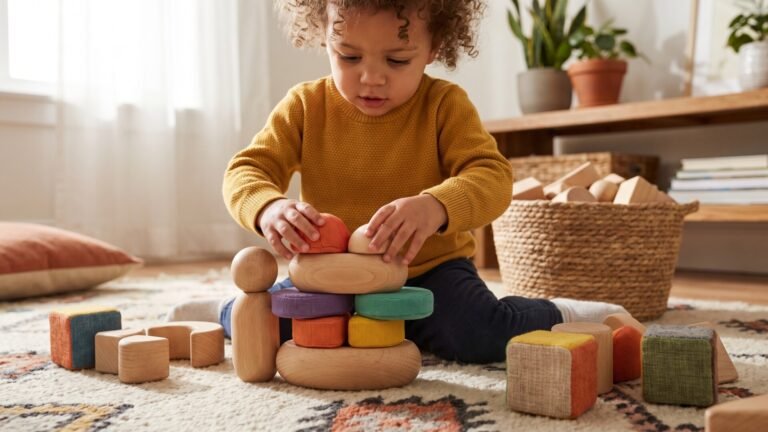
1. Playful Building and Stacking
- Blocks, LEGO, and magnetic tiles encourage grasping, stacking, and balance
- Activities like building towers or creating structures strengthen fingers and wrists
- Encourage children to experiment with different shapes and sizes
Parent Tip: Let children lead the activity. Ask open-ended questions like, “What can we build next?”
2. Drawing, Coloring, and Painting
- Holding crayons, markers, or paintbrushes develops pencil grip and wrist control
- Painting with fingers or brushes engages sensory exploration
- Encourage scribbling, coloring within lines, and free-form art
Parent Tip: Try triangular crayons or grip-friendly pencils for younger children
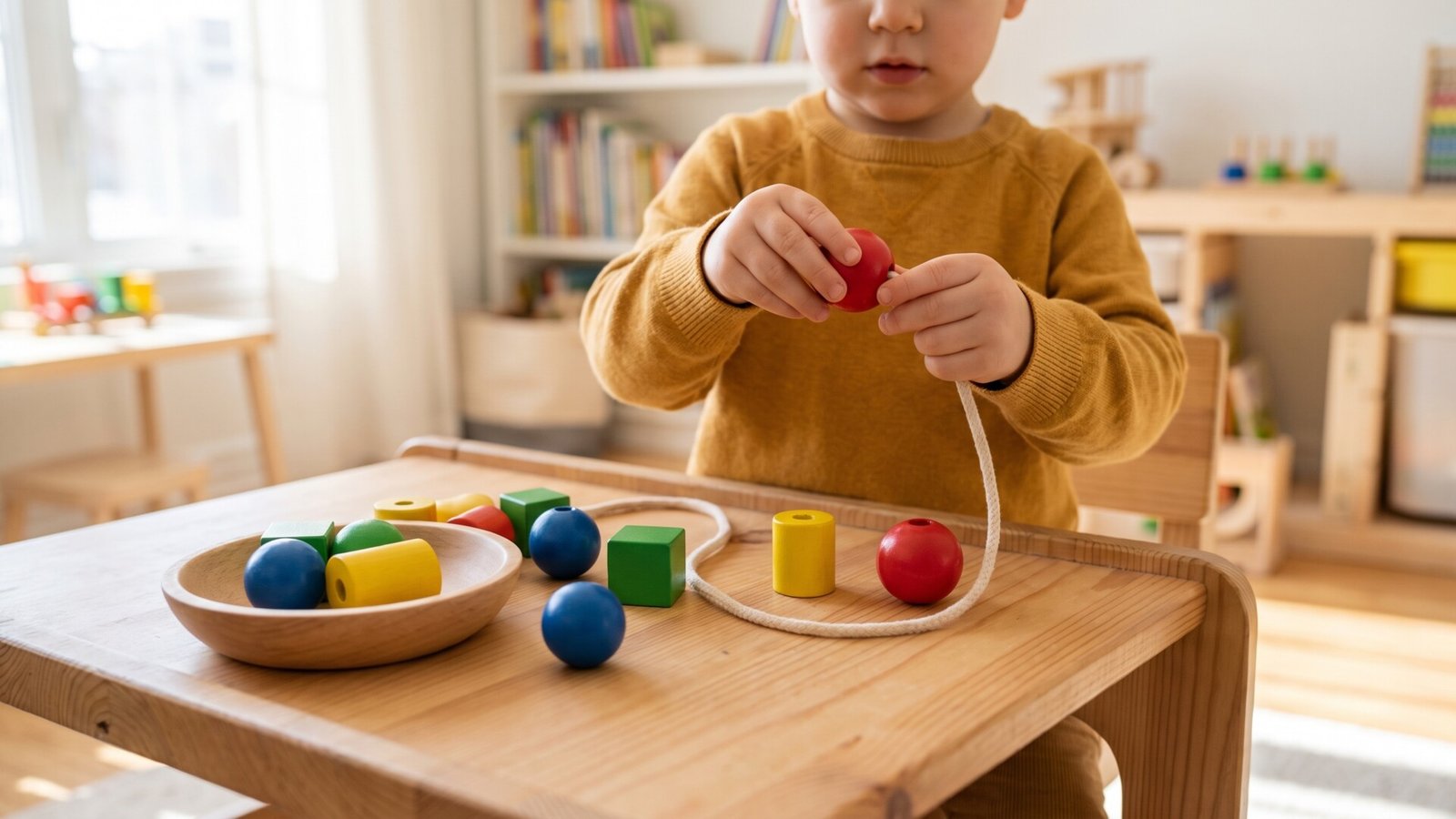
3. Threading and Lacing Activities
- Beads, buttons, and shoelaces enhance hand-eye coordination and precision
- Encourage sequencing: threading a pattern of colors or shapes
Parent Tip: Use large beads for toddlers and gradually move to smaller beads as skill improves
4. Cutting and Snipping
- Safety scissors help develop bilateral coordination and controlled hand movements
- Start with straight lines and soft paper, then progress to curves and complex shapes
Parent Tip: Always supervise scissors activities and celebrate effort, not perfection
5. Manipulating Everyday Objects
- Activities like pouring water, picking up coins, or opening containers strengthen finger muscles
- Encourage self-feeding with utensils and independent dressing
Parent Tip: Let children try tasks themselves even if it takes longer—it builds independence
Fun Fine Motor Games and DIY Ideas
1. Sensory Bins
- Fill bins with rice, beans, or sand
- Hide small toys for children to dig, pick up, and sort
- Improves grasp strength and tactile exploration
2. Play Dough and Clay
- Rolling, pinching, and flattening strengthens fingers and wrists
- Add small tools like cookie cutters, rolling pins, or stamps for variety
3. Pom-Pom Sorting
- Use tongs or tweezers to pick up small pom-poms and place them in cups
- Enhances pincer grasp, hand-eye coordination, and color recognition
4. Sticker Play
- Peeling and placing stickers improves precision and fine motor control
- Can be integrated with art projects or charts for extra motivation
5. Nature Crafts
- Collect leaves, rocks, or sticks and use glue, string, or tape to create art
- Combines creativity with manual dexterity
Age-Specific Toy Recommendations
Toddlers (1–3 Years)
- Stacking Blocks and Cups – Encourage grasping and balance
- Chunky Crayons or Washable Markers – Develop early drawing skills
- Large Beads and Lacing Boards – Introduce threading
Preschoolers (3–5 Years)
- LEGO Duplo Sets – Enhance building and hand-eye coordination
- Play Dough Tools and Cookie Cutters – Strengthen pinch and press movements
- Child-Safe Scissors and Paper – Introduce controlled cutting
Early Elementary (5–7 Years)
- Smaller LEGO Sets or Magnetic Tiles – Promote precision building
- Tweezers and Pom-Pom Activities – Enhance dexterity and coordination
- Sticker or Art Kits – Fine motor practice integrated with creativity
Integrating Fine Motor Skills Into Daily Life
- Mealtime Practice: Encourage using forks, spoons, and pouring liquids
- Dressing Independence: Buttons, zippers, and snaps provide real-world practice
- Household Tasks: Sorting laundry, wiping tables, or opening containers strengthens control
- Outdoor Play: Sand, water, and small gardening tools engage muscles naturally
Parent Tip: Embed fine motor practice into routines—learning doesn’t have to feel like a “lesson.”
Signs Your Child May Need Extra Support
While every child develops at their own pace, watch for signs of difficulty:
- Trouble grasping crayons or utensils
- Avoiding tasks that require precision
- Frequent frustration or inability to manipulate objects
- Persistent difficulty with self-feeding or dressing
If concerns arise, consult an occupational therapist for guidance and structured support.
Benefits of Encouraging Fine Motor Development
- Academic Readiness: Better handwriting, drawing, and school task performance
- Daily Independence: Feeding, dressing, and personal care
- Cognitive Growth: Planning, sequencing, and problem-solving
- Creativity: Art, building, and imaginative play
- Confidence and Patience: Completing tasks and mastering challenges
Takeaways
- Fine motor skills are essential for independence, learning, and creativity
- Everyday activities—play, art, chores—can naturally develop hand and finger strength
- Age-appropriate toys and DIY activities provide hands-on skill-building
- Encourage trial-and-error, exploration, and creativity while celebrating effort
- Integrate skills into daily routines for continuous practice and mastery
With intentional play and practice, parents can help children build strong fine motor skills while having fun, boosting confidence, and preparing them for school and daily life.