Reviews & Comparisons: Your Parent-Friendly Guide to Choosing the Best Toys
Let’s be real — buying toys can feel like navigating a jungle. Walk down any toy aisle, or scroll through Amazon, and you’re confronted with hundreds of options: colors, sizes, materials, price points, and endless promises that “this is the toy your child absolutely must have.” It’s overwhelming.
That’s exactly why toy reviews and comparisons exist — and why this hub is here. This page is your go-to resource for understanding, evaluating, and comparing toys so you can make informed decisions that save time, money, and sanity.
Whether you’re trying to decide between LEGO and Playmobil, looking for the perfect ride-on toy, or hunting down the best outdoor play equipment, this hub is your starting point. We’ll walk through the principles of evaluating toys, discuss what to look for in reviews, and point you toward detailed comparisons and guides in the subcategories.
By the end, you’ll be confident in choosing toys that are safe, durable, developmentally appropriate, and — most importantly — fun for your child.
Why Toy Reviews & Comparisons Matter
Parents don’t just buy toys — they invest in playtime, learning, and often sanity. Here’s why reading reviews and doing comparisons is worth your time:
1. Make Informed Decisions
Toy reviews highlight:
- Safety issues
- Durability
- Developmental value
- Ease of use
Instead of guessing, you get real-world insight from parents and experts.
2. Save Money
Not all toys are worth the price tag. Reviews and comparisons help you spot:
- Overpriced gimmicks
- Better alternatives in the same price range
- Toys that last longer and grow with your child
3. Match Toys to Your Child
Every child is different. Reviews and comparisons help identify toys that:
- Fit developmental stages
- Support specific skills (fine motor, gross motor, creativity)
- Align with interests (vehicles, music, STEM, pretend play)
Understanding Toy Categories & Features
Before diving into comparisons, it helps to understand how toys are generally classified and what features matter most. This makes reviews much more meaningful.
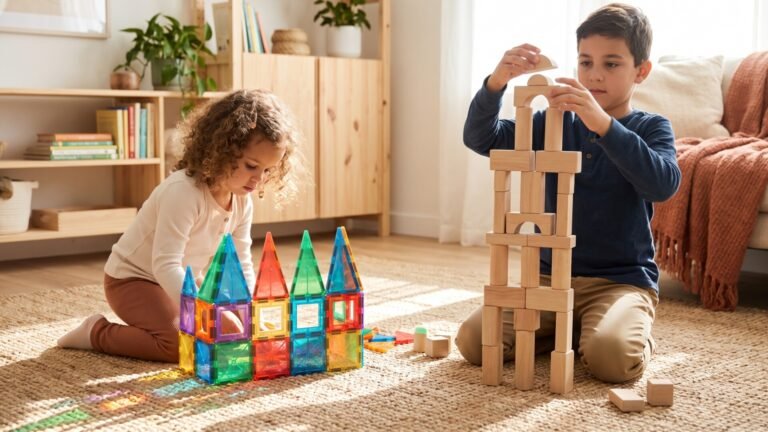
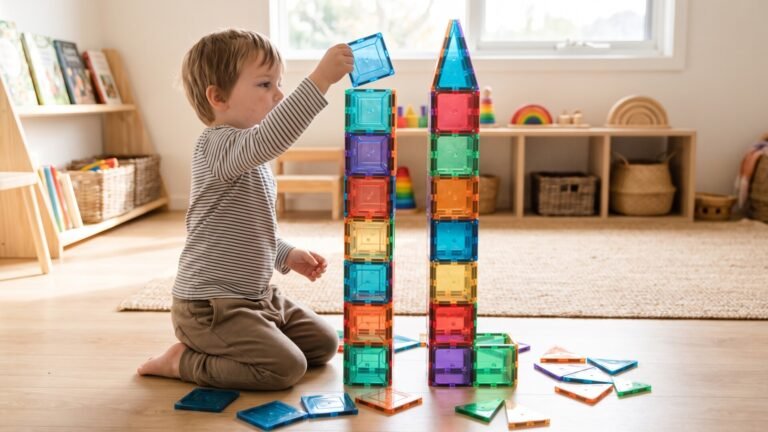
1. Construction & Building Toys
Think: LEGO, Duplo, Playmobil, magnetic blocks.
Key considerations:
- Age-appropriateness
- Complexity & creativity potential
- Durability
- Safety of small parts
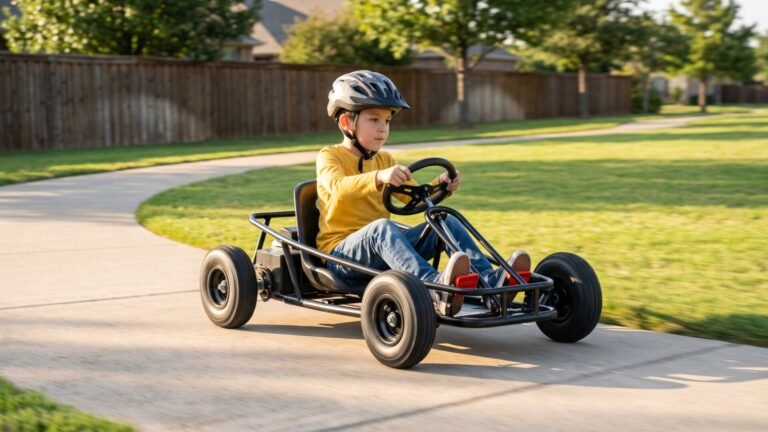
2. Ride-On Toys & Bikes
From balance bikes to pedal cars, these toys develop gross motor skills.
Key considerations:
- Stability and safety
- Age and weight recommendations
- Ease of use & assembly
- Storage convenience
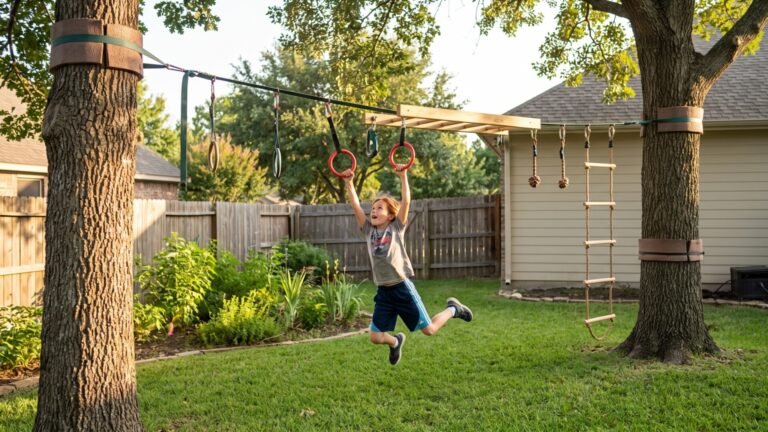
3. Outdoor Play Equipment
Swings, slides, trampolines, sandboxes.
Key considerations:
- Material quality (rust-proof, UV-resistant)
- Safety and certifications
- Assembly and maintenance
- Space requirements
4. Board Games & Puzzles
From simple toddler puzzles to complex family board games.
Key considerations:
- Age range and difficulty
- Skill development (memory, strategy, problem-solving)
- Number of players
- Durability of pieces
5. Musical & Art Toys
Pianos, drums, easels, and crafting kits.
Key considerations:
- Noise level (for sanity)
- Safety of materials
- Skill-building potential
- Durability
How to Read & Interpret Toy Reviews
Not all reviews are created equal. Here’s a friendly guide for parents:
1. Look for Reputable Sources
- Parent blogs and websites (like ToyGuideHub!)
- Trusted consumer review platforms
- Expert recommendations (Montessori, early childhood educators)
2. Pay Attention to Recurring Themes
- One-off complaints are less concerning than repeated issues.
- If multiple reviewers mention a choking hazard or flimsy construction, take note.
3. Separate Hype from Reality
- Just because a toy is trending or has a million ads doesn’t mean it’s great.
- Reviews that detail developmental benefits, durability, and real-world usability are most valuable.
4. Consider Your Child’s Context
- Age, abilities, interests, and space at home
- Some toys shine in big open spaces; others are perfect for apartments
DIY Comparison Tips
Even without a pre-written comparison, you can evaluate toys yourself:
- List the top contenders in the category
- Compare key features: age, size, durability, safety, price
- Check reviews for real-world experiences
- Observe your child during trial play (many stores allow testing)
- Consider long-term value: Does this toy grow with your child?
Common Toy Comparison Scenarios
Some toys are nearly synonymous in the minds of parents. These are the ones most people struggle to choose between.
LEGO vs Playmobil
- LEGO: Exceptional for fine motor skills, creativity, open-ended building. Age ranges from toddler DUPLO to teen sets. Plastic pieces are durable but can be small (choking risk for younger kids).
- Playmobil: Focused on imaginative play and storytelling. Figures and accessories encourage pretend play. Fewer pieces to assemble but less construction flexibility.
Quick tip: If your child loves building and problem-solving, LEGO shines. If they love imaginative storytelling and roleplay, Playmobil wins. Many households benefit from having both types at different times.
Duplo vs Classic LEGO
- Duplo: Bigger, chunkier, designed for toddlers. Easier for small hands, safer for young kids. Introduces basic building concepts.
- Classic LEGO: Smaller bricks, better for older kids. Offers complex building opportunities, but not suitable for toddlers.
Quick tip: Start with Duplo around age 2, transition to LEGO around 4–5 for more advanced construction play.
Ride-On Toys & Bikes
Ride-on toys are great for gross motor development, balance, and coordination. Here’s what to consider in comparisons:
Types
- Push & ride-on toys (toddler cars, walkers)
- Balance bikes
- Pedal bikes with training wheels
- Scooters and tricycles
Comparison Factors
- Weight & portability
- Durability and material quality
- Age & weight suitability
- Safety features (brakes, stability, non-slip surfaces)
Example: A wooden push car vs a plastic ride-on car.
- Wooden cars: sturdy, longer-lasting, quieter, eco-friendly
- Plastic cars: lightweight, often more features (horns, storage), less expensive
Outdoor Play Equipment
Outdoor play encourages exercise, motor skills, and social play. Choosing the right equipment can be overwhelming.
Things to Compare
- Material quality: UV-resistant plastics, rust-proof metal
- Age range: Some swings and slides are toddler-friendly; others are better for older kids
- Size and space: Make sure the equipment fits your yard
- Ease of assembly: Some larger items require a weekend to set up
- Safety features: Rounded edges, stable bases, non-slip surfaces
Popular comparisons:
- Metal vs plastic slides
- Wooden vs plastic playhouses
- Inflatable vs structured trampolines
Pro tip: Outdoor toys should be durable, weather-resistant, and easy to maintain — safety is priority number one.
Board Games & Puzzles
Board games and puzzles are classic toys that build critical thinking, memory, and social skills.
Considerations When Comparing
- Age suitability: Make sure the game matches your child’s cognitive skills
- Number of players: Solo or group play?
- Complexity: Too easy = boredom, too hard = frustration
- Durability: Thick cardboard pieces vs thin puzzle pieces
Examples of comparisons:
- Classic puzzles vs 3D puzzles: 3D puzzles offer spatial reasoning; classic puzzles build pattern recognition
- Simple board games (Candy Land, Chutes & Ladders) vs strategy games (Ticket to Ride, Carcassonne): Depends on age and attention span
Musical & Art Toys
Creative play encourages self-expression and fine motor skills.
Musical Toys
- Drums vs keyboards vs xylophones
- Consider volume, durability, and educational value
Art Toys
- Easels vs coloring boards vs crafting kits
- Focus on non-toxic materials, easy cleanup, and age-appropriateness
Tip: Musical and art toys are excellent for toddlers and preschoolers, but quality matters — cheap, noisy instruments or markers that dry out instantly can ruin the experience.
How ToyGuideHub Helps
This hub is your launchpad for all toy reviews and comparisons. Eventually, we’ll have full subcategory pages for in-depth guidance:
- Toy Comparisons
- Side-by-side breakdowns like LEGO vs Playmobil or Duplo vs Classic LEGO
- Features, pros, cons, and developmental benefits
- Ride-On Toys & Bikes
- Push cars, balance bikes, scooters, tricycles
- Safety checks, durability ratings, and age recommendations
- Outdoor Play Equipment
- Slides, trampolines, playhouses, sandboxes
- Material comparison, space, assembly, and longevity
- Board Games & Puzzles
- Best games by age, difficulty, and educational value
- Puzzle types, number of players, and durability
- Musical / Art Toys
- Instruments, easels, and craft kits
- Noise level, skill development, and quality comparisons
Each subcategory will eventually link to detailed product reviews, buying guides, and hands-on comparisons, so you can make smart toy decisions without the overwhelm.
Quick Tips for Parents
- Always check age recommendations and safety standards.
- Rotate toys to keep children engaged.
- Look for durability — a broken toy is both frustrating and unsafe.
- Balance open-ended toys (like building sets) with targeted skill toys (like puzzles or musical instruments).
- Read multiple reviews before investing in bigger ticket items.
- Consider your child’s interests — they’ll use a toy more if they enjoy it.
- Keep a mix of indoor, outdoor, active, and quiet play items.
Final Thoughts
Toy reviews and comparisons are not about hype or trends. They’re about making informed decisions for your child’s playtime, learning, and safety. By understanding categories, reading reliable reviews, and evaluating developmental value, you can create a toy collection that grows with your child, supports their skills, and makes your life easier.
This hub is your starting point. From here, you can explore in-depth reviews and comparisons for construction toys, ride-ons, outdoor equipment, board games, puzzles, musical instruments, and art toys. Bookmark it as your reference whenever a new toy enters your home — and say goodbye to guesswork, wasted money, and clutter.