What to Do When Your Child Breaks a New Toy (Repair vs. Replace)
Practical advice for parents navigating broken toys, emotions, and safety
It happens to every parent at some point: your child excitedly unwraps a new toy, and within minutes, it’s broken. Maybe a piece snapped, a wheel came off, or a puzzle fell apart. Your first reaction might be frustration—or even panic, especially if it was an expensive gift.
But broken toys also present teachable moments for children and a chance to make practical decisions: should you repair the toy or replace it? In this guide, we’ll walk you through how to assess damage, involve your child, make repair or replacement decisions, and even extend the life of toys for future play.
Step 1: Assess the Damage
Before making any decisions, carefully examine the toy. Consider:
- Type of Toy:
- Plastic, wooden, electronic, stuffed, or construction sets may each have different repair possibilities.
- Extent of Damage:
- Is it minor (like a loose wheel or button) or major (like a cracked electronic screen or shredded fabric)?
- Safety Concerns:
- Check for sharp edges, small broken pieces, or exposed wires.
- If the toy is unsafe, do not allow your child to play with it until repaired or replaced.
- Sentimental Value:
- Some toys are special gifts and may warrant repair even if replacement is an option.
Taking the time to assess damage helps you decide whether a quick fix is possible or if replacement is the safest and most practical choice.
Step 2: Involve Your Child
Broken toys are an opportunity to teach responsibility and problem-solving.
- Explain the situation calmly: Show your child the broken toy and describe the damage.
- Ask for input: “Do you think we can fix this or should we get a new one?”
- Demonstrate patience: Kids may be upset or emotional; model calm problem-solving.
- Encourage creativity: For example, they might help build a replacement from other materials or play imaginatively with repair ideas.
Involving your child gives them ownership of the solution and teaches that accidents are part of learning.
Step 3: Decide Between Repair or Replace
Here are the main factors to consider:
1. Repair
Repairing a toy can be a cost-effective and educational option. Consider:
- Cost of repair vs replacement: If repair costs less than buying a new toy, it may be worth it.
- Time and effort: Some repairs are simple (super glue, tape, or sewing), while others require parts or skills.
- Durability after repair: Will the toy last long enough to make the repair worthwhile?
Common Repairs:
- Plastic toys: Super glue, epoxy, or replacement parts (wheels, gears, or handles).
- Wooden toys: Sand rough edges, re-glue broken parts, or use wood filler for cracks.
- Stuffed animals: Sew torn seams or patch fabric.
- Electronic toys: Check batteries, wires, or buttons; some parts can be replaced.
Tips:
- Use non-toxic, child-safe adhesives and materials.
- Keep broken pieces until the repair is complete.
- Document instructions if the toy comes with a repair manual or manufacturer guidance.
2. Replace
Sometimes, replacement is the better or safer option:
- Safety hazards: Sharp edges, broken electronics, or chemical exposure cannot be repaired easily.
- Extensive damage: Large cracks, missing parts, or destroyed toys may be better replaced.
- Child’s attachment: If your child is too upset by the broken toy, replacement can restore joy.
- Warranty coverage: Check if the toy has a manufacturer warranty; some companies replace broken items for free.
When replacing, consider:
- Same toy or upgrade: A slightly different model may offer more durability or features.
- Budget-friendly options: Check for sales or second-hand alternatives if the original was expensive.
- Eco-conscious disposal: Recycle or donate damaged toys when possible.
Step 4: Prevent Future Breakage
Reducing future breakage saves stress and money.
- Age-Appropriate Toys:
- Toys should match your child’s developmental stage. A toddler playing with advanced construction sets may break pieces.
- Teach Careful Play:
- Model gentle handling and explain consequences of rough play.
- Organized Play Area:
- Using bins, shelves, and mats helps prevent accidents.
- Rotate Toys:
- Limiting the number of toys available at once can reduce overwhelm and breakage.
- Quality Matters:
- Durable toys, like Melissa & Doug wooden sets or LEGO Duplo for younger children, withstand more wear and tear.
Step 5: Make Repairs a Fun Learning Experience
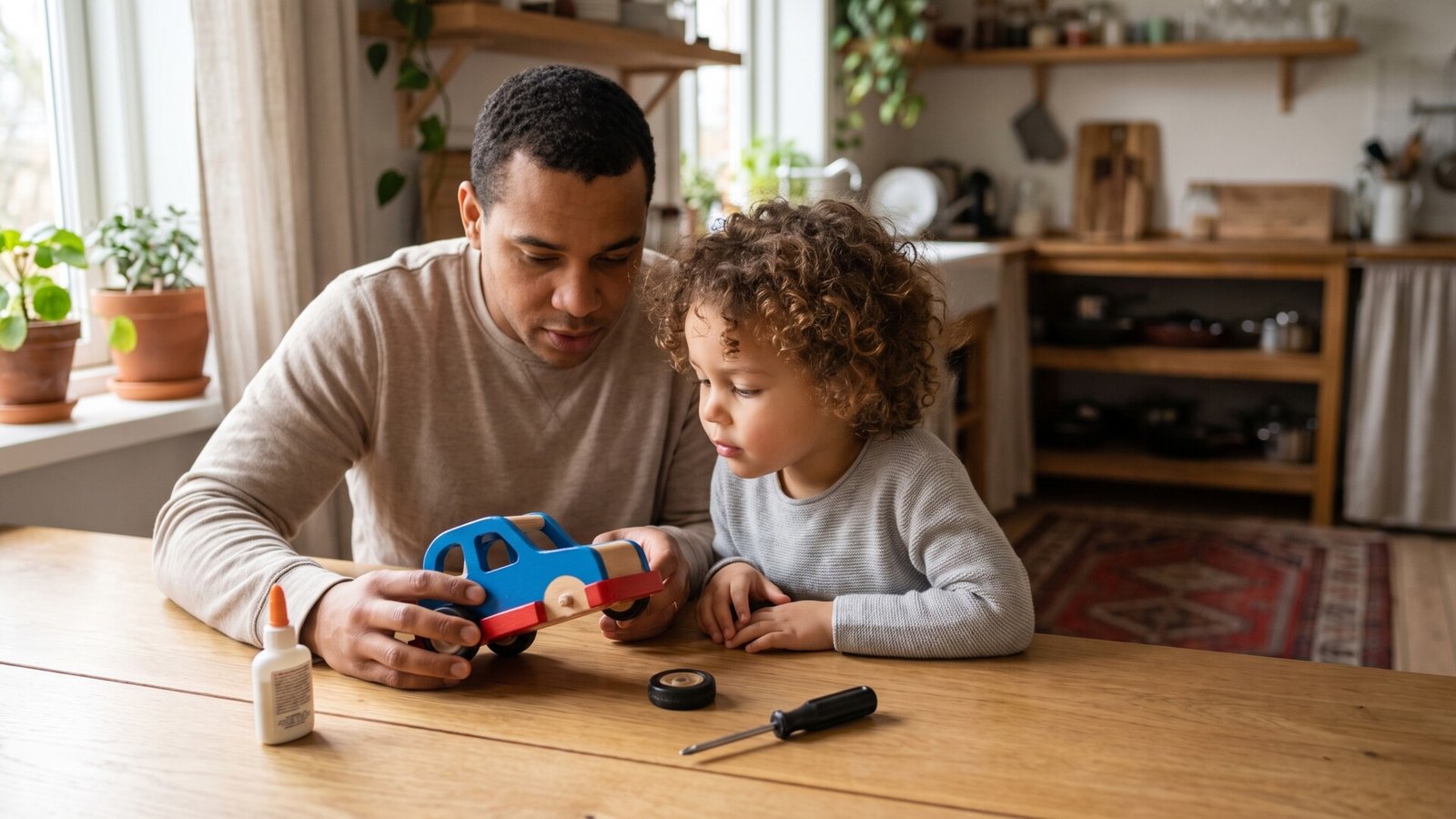
Turning toy repairs into a parent-child activity teaches problem-solving and responsibility:
- Glue & Tape Fixes: Have your child help apply non-toxic glue or tape.
- Sewing Projects: Repair stuffed animals together.
- Creative Rebuilds: Combine broken toys into new creations, encouraging imaginative play.
- Engineering Mindset: For building sets like LEGO or magnetic tiles, teach kids how to reinforce pieces or rebuild structures safely.
These moments teach patience, perseverance, and innovation, all valuable skills beyond play.
Step 6: Knowing When to Let Go
Even with careful repair, some toys simply cannot be restored. It’s important to:
- Avoid forcing repairs that won’t last, leading to repeated frustration.
- Explain to your child why letting go is sometimes necessary.
- Replace the toy with something that maintains play continuity.
Letting go also teaches children resilience and coping skills, essential for emotional development.
Practical Examples by Toy Type
Here’s how to approach common broken toy scenarios:
1. Construction Sets (LEGO, Duplo, Magna-Tiles)
- Repair: Replace missing bricks, reinforce loose connections, or rebuild collapsed structures.
- Replace: When pieces are lost or warped.
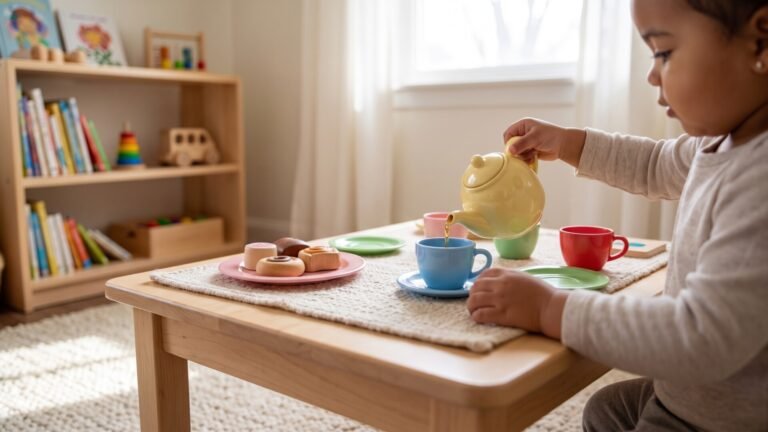
2. Pretend Play (Toy Dish Sets, Kitchen Tools)
- Repair: Glue small cracks, fix handles, or sew minor rips.
- Replace: Major breakage or missing essential parts.
3. Stuffed Animals
- Repair: Sew seams, patch tears, or re-stuff flattened areas.
- Replace: If the fabric is shredded or moldy.
4. Ride-On Toys and Scooters
- Repair: Tighten screws, replace wheels, or lubricate moving parts.
- Replace: Major structural cracks or unsafe electronics.
5. Electronic Learning Toys (LeapFrog, VTech, Tablet Toys)
- Repair: Replace batteries, test buttons, or contact manufacturer for replacement parts.
- Replace: Water damage, broken screens, or circuit failure.
Step 7: Consider Long-Term Toy Strategy
For parents who buy frequently:
- Invest in durable toys: Some toys may cost more upfront but save money in the long run.
- Rotate toys seasonally: Less clutter reduces accidents and wear.
- Teach repair skills gradually: Older kids can help fix toys themselves, fostering independence.
Step 8: Balancing Emotions
Breaking a new toy can be emotional—for both parent and child.
- Validate feelings: Acknowledge disappointment.
- Model calm problem-solving: Show how to decide on repair or replacement.
- Encourage gratitude: Emphasize the fun the toy has already provided.
- Highlight alternatives: Suggest using other toys creatively while the broken one is repaired.
These conversations help children develop patience, resilience, and problem-solving skills.
Eco-Friendly Considerations
Replacing toys can create waste, so consider environmentally responsible options:
- Repair over replace whenever possible.
- Donate gently used toys that your child no longer wants.
- Recycle broken plastic pieces through local recycling programs.
- Buy toys from sustainable brands like Melissa & Doug or wooden construction sets that last longer.
Tips for Successful DIY Repairs
- Keep a repair kit: Glue, tape, sewing kit, and small tools.
- Label small pieces: Prevent losing screws or toy components.
- Follow manufacturer advice: Some toys provide repair instructions or spare parts.
- Document repairs: Photograph or note how the toy was fixed for future reference.
Conclusion
Broken toys don’t have to mean frustration or wasted money. With careful assessment, involving your child, and deciding between repair and replacement, you can turn these moments into learning opportunities.
- Repair when possible: Cost-effective, teaches responsibility, extends toy life.
- Replace when necessary: Safety, major damage, or emotional considerations.
- Use teachable moments: Patience, problem-solving, and resilience.
- Prioritize safe play: Age-appropriate, durable toys reduce breakage.
By following these strategies, you can maximize playtime, minimize stress, and keep children safe and engaged—even when toys inevitably break.