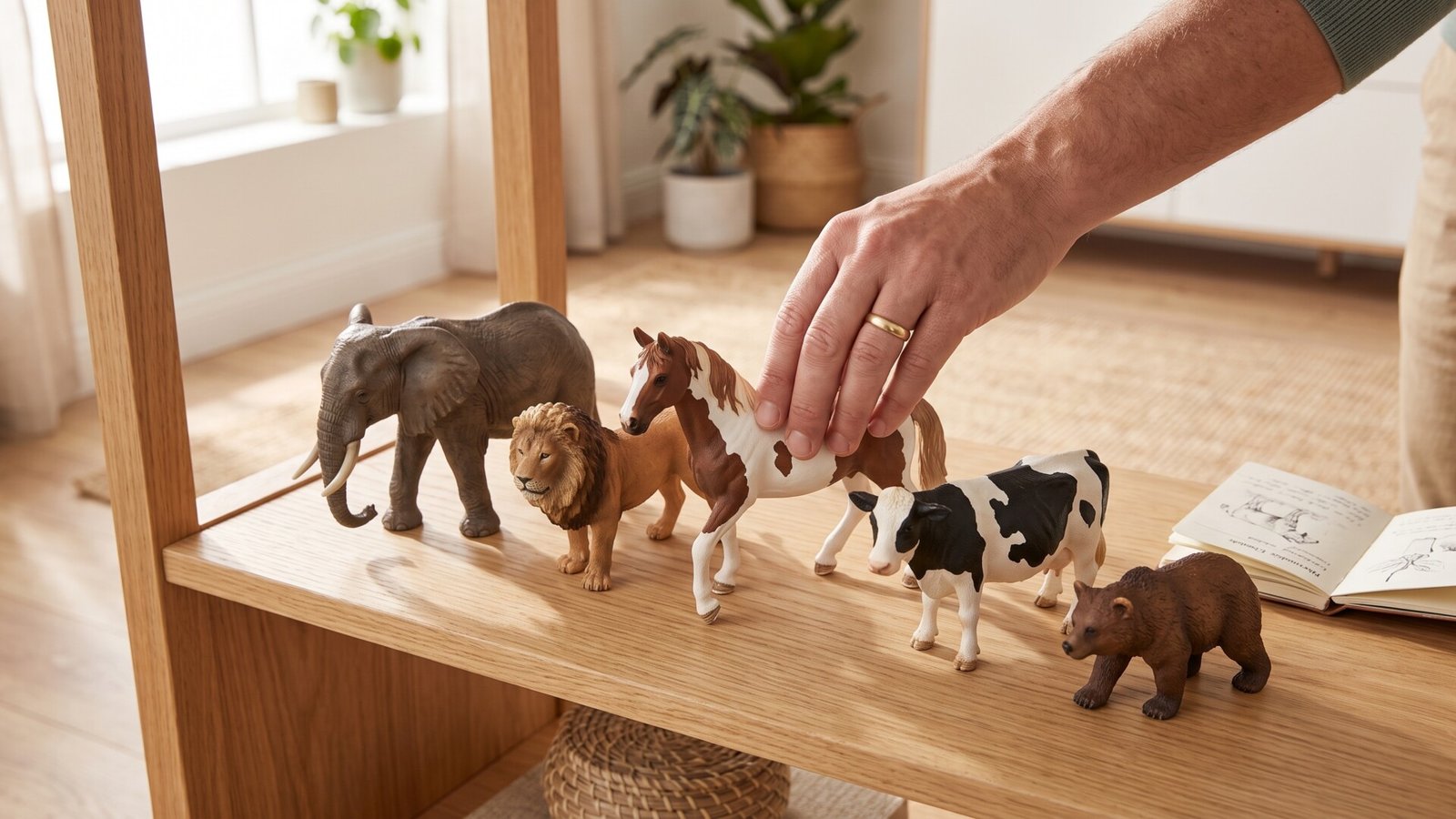
The Complete Beginner’s Guide to Schleich Animal Collecting
Discover the world of realistic animal figures for kids and collectors
If you’ve ever been captivated by realistic miniature animals, you’re not alone. Schleich figures have become a staple in playrooms, classrooms, and collectors’ shelves. Known for their high-quality craftsmanship, attention to detail, and educational value, Schleich animals offer children a way to explore wildlife, spark imaginative play, and even start a lifelong hobby in collecting.
In this guide, we’ll walk you through everything you need to know as a beginner: from the types of figures to collect, organizing and displaying your collection, integrating them into play, and ideas for expanding your collection responsibly.
Why Schleich Figures Are So Popular
Schleich has been around for decades, crafting durable, hand-painted figurines that stand out for realism. Unlike many generic plastic toys, Schleich figures are:
- Highly detailed: Texture, color, and anatomical accuracy make each figure feel lifelike.
- Durable: Made from high-quality, non-toxic materials that hold up to years of play.
- Educational: Many sets include animals from specific habitats, farms, or fantasy worlds.
- Collectible: Series and limited editions create opportunities for hobbyists.
These qualities make Schleich figures ideal for hands-on learning, imaginative storytelling, and independent play.
Types of Schleich Animals
Schleich offers a variety of themed lines. Understanding them helps you choose which to start collecting:
1. Farm World
- Features farm animals like cows, pigs, horses, sheep, and chickens.
- Includes farm accessories: barns, fences, vehicles, and farmer figures.
- Great for teaching kids about agriculture and farm life.
2. Wild Life
- Includes realistic wild animals like lions, elephants, tigers, wolves, and bears.
- Often sold with accessories like trees, rocks, or small habitats.
- Encourages learning about habitats, animal behavior, and ecosystems.
3. Horse Club
- Focuses on horses, ponies, riders, and stables.
- Perfect for children who love equestrian play and role-playing scenarios.
- Includes specialty sets like competitions, grooming kits, and riding lessons.
4. Dino & Prehistoric Figures
- Dinosaurs and prehistoric creatures come with realistic poses and textures.
- Often paired with educational information about paleontology.
- Great for STEM play and imaginative storytelling.
5. Fantasy & Creatures
- Magical animals like unicorns, dragons, and mythical creatures.
- Fosters fantasy play and creative narratives.
How to Start Your Schleich Collection
Starting a Schleich collection doesn’t have to be overwhelming. Here’s a step-by-step approach:
Step 1: Pick a Theme
Decide whether you want farm animals, wildlife, horses, or dinosaurs as your main focus.
- Beginners often start with a single category to build a cohesive collection.
- You can expand later as interests grow.
Step 2: Choose Key Figures
Start with core animals within the theme. For example:
- Farm World: cow, horse, pig, chicken
- Wild Life: lion, elephant, wolf
- Horse Club: horse, rider, stable
Step 3: Consider Accessories
Many Schleich sets include fences, barns, or trees. Accessories enhance imaginative play and allow for building small habitats.
Step 4: Keep it Manageable
- Avoid buying too many figures at once.
- Focus on quality over quantity, which makes the collection easier to organize.
Organizing Your Collection
A well-organized collection encourages play and learning, and makes it easy to see what you have.
1. Display Options
- Shelves or cubbies work well for quick access.
- Clear bins can separate animals by type or habitat.
- Consider mini dioramas for display and storytelling.
2. Labeling
- Small cards or labels can help children identify species and learn facts.
- Great for educational play and language development.
3. Rotation
- Rotate figures in and out of active play.
- Prevents clutter and keeps children engaged.
Integrating Schleich Figures into Play
Schleich figures are perfect for open-ended play, allowing children to explore narratives and develop problem-solving skills.
1. Imaginative Play
- Children can create stories: a day at the farm, a safari adventure, or a unicorn rescue mission.
- Encourages language development as children narrate events and interactions.
2. STEM Learning
- Create animal habitats or ecosystems.
- Discuss food chains, animal behaviors, and conservation.
- Great for preschool and early elementary science lessons.
3. Art and Storytelling
- Combine figures with drawing, dioramas, or crafting.
- Children can design backdrops or make their own animal homes.
Tips for Parents
- Supervision for Small Parts: Some figures or accessories may be small and unsuitable for toddlers.
- Encourage Independent Play: Allow children to arrange and narrate scenes on their own.
- Rotate Accessories: Change props and habitats regularly to maintain novelty.
- Teach Respect for Collectibles: Even if children play with the figures, show them how to care for their collection.
Buying and Budget Considerations
Schleich figures are premium collectibles, so prices can add up.
- Start small: Buy essential animals first, then expand gradually.
- Check for sets: Bundles often offer better value than single figures.
- Seasonal or limited editions: These are special but optional for beginners.
- Used figures: Sometimes gently used figures are available for a lower cost.
Expanding Your Collection
Once the basics are in place, consider these ways to grow your collection:
- Add rarer species: Unique farm animals, exotic wildlife, or specialty horses.
- Build scenes: Add barns, stables, jungle trees, or fences.
- Introduce fantasy: Unicorns or dragons can expand imaginative storytelling.
- Combine collections: Mix Wild Life and Farm World for crossover adventures.
Educational Benefits of Schleich Figures
- Hands-On Learning: Kids explore animal anatomy, habitats, and behavior.
- Language Development: Describing animals, actions, and stories builds vocabulary.
- Creativity: Open-ended play encourages problem-solving and narrative skills.
- Social Skills: Playing with siblings or friends promotes sharing, cooperation, and empathy.
- Observation Skills: Encourages children to notice details in color, shape, and texture.
Common Collector Questions
Q1: Are Schleich Figures Safe for Young Children?
Yes, most figures are made of non-toxic, high-quality plastic. Small parts may pose a choking hazard, so always follow age recommendations.
Q2: Can I Wash or Clean Them?
Yes, figures can be washed with mild soap and water. Avoid harsh chemicals that may damage the paint.
Q3: How Do I Know Which Figures Are Worth Collecting?
- Focus on favorite animals or themes your child enjoys.
- Limited editions may appreciate in value if you are also a collector.
Q4: How Many Figures Should I Buy at First?
- Start with 5-10 core figures in a theme.
- Add accessories or secondary figures as interest grows.
Tips for Displaying and Storing
- Open shelves: Easy for children to reach and organize animals by type or theme.
- Clear bins: Perfect for quick access and sorting.
- Dioramas: Combine animals with props for storytelling setups.
- Label habitats: Teach children about geography, species, or ecosystems.
Creative Play Ideas
- Safari Adventure: Use Wild Life animals to create a jungle or savanna scene.
- Farm Day: Set up a farm with barns, fences, and Farm World animals.
- Rescue Mission: Horse Club or Wild Life figures can act out rescue scenarios.
- Fantasy Story: Mix in Unicorns or dragons for imaginative adventures.
- STEM Challenge: Build habitats that meet animals’ needs, discussing food, water, and shelter.
Conclusion
Schleich animals offer a rich combination of play, learning, and collecting. They provide children with hands-on, imaginative, and educational experiences that are suitable for ages 3 and up. By starting small, organizing thoughtfully, and integrating imaginative storytelling, you can cultivate a collection that is fun, educational, and long-lasting.
Whether your child loves horses, wild animals, dinosaurs, or mythical creatures, there’s a Schleich figure waiting to inspire hours of independent play, learning, and creativity. Collecting is not just a hobby—it’s a gateway to understanding the animal world, building fine motor skills, and sparking a lifelong curiosity.