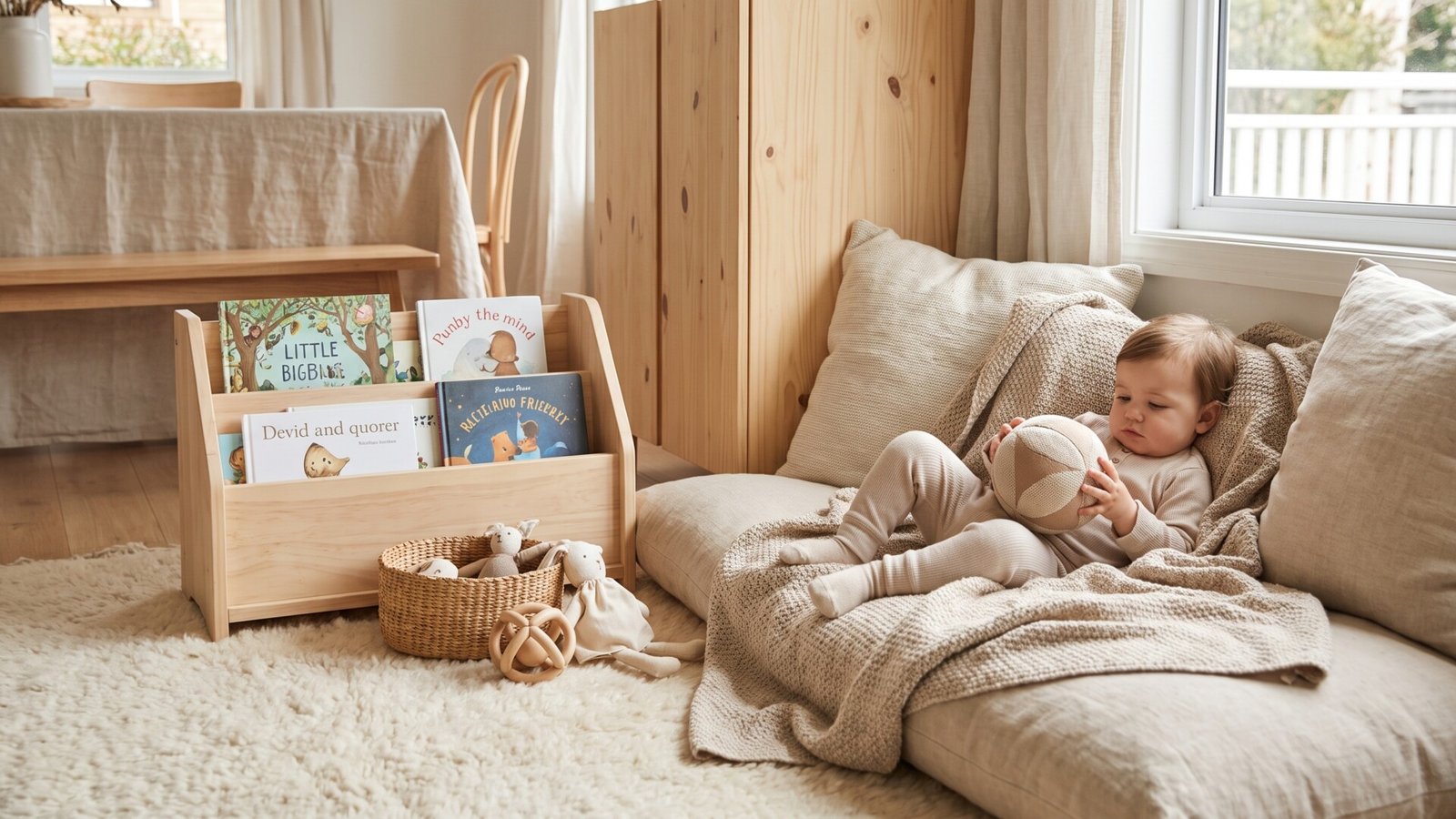
Creating a Calm Corner for Toddlers: A Parent’s Guide
Toddlers are full of energy, curiosity, and sometimes intense emotions. Between learning new skills, navigating limits, and experiencing the world for the first time, it’s no surprise that meltdowns, tantrums, and frustration can happen. One powerful tool for helping toddlers regulate emotions and develop self-soothing skills is a calm corner — a designated space in your home where your child can pause, reset, and engage in calming activities.
In this guide, we’ll explore what a calm corner is, why it matters, how to create one on a budget, and what kinds of toys, tools, and activities work best for toddlers.
What Is a Calm Corner?
A calm corner (sometimes called a calm-down space, cozy corner, or sensory corner) is a safe, inviting area where toddlers can take a break when they feel upset, overstimulated, or overwhelmed. Unlike time-out spaces that are punitive, calm corners are positive and supportive, helping children learn to manage their emotions in a healthy way.
Key features of a calm corner:
- Safe and comfortable: A soft rug, cushions, or beanbag chair
- Engaging but calming toys: Soft textures, sensory toys, books
- Low distractions: Away from loud noises, screens, or active play areas
- Predictable setup: Consistency helps toddlers know where to go when they feel strong emotions
Why a Calm Corner Matters
1. Promotes Emotional Regulation
Toddlers are still learning how to identify and manage feelings. A calm corner provides a tangible space to practice calming strategies, helping them self-soothe rather than rely solely on caregivers.
2. Encourages Independence
Instead of intervening every time a toddler feels frustrated, calm corners empower children to make choices about managing their emotions. Over time, toddlers learn to recognize when they need a break and use the space independently.
3. Reduces Household Stress
Having a designated area for calming can decrease the frequency of tantrums spilling into shared spaces. Caregivers can intervene less frequently, knowing their child has a safe place to regulate emotions.
4. Supports Cognitive and Social Development
Calm corners often include books, sensory tools, and fine motor activities, which support learning and problem-solving. Additionally, children practicing self-regulation gain social skills, like patience, turn-taking, and empathy.
Planning Your Calm Corner
Creating a calm corner doesn’t require a large space or fancy materials. Here’s how to plan effectively:
1. Choose the Right Location
- Low-traffic area: Avoid busy hallways or near loud appliances
- Visible but private: The parent can supervise without hovering
- Accessible: Toddler can walk or crawl to it easily
2. Pick a Base
Start with a soft foundation to make the space comfortable:
- Small rug or foam mat
- Beanbag chair or floor cushions
- Blanket fort or small tent for cozy privacy
3. Add Sensory Tools
Choose items that are tactile, calming, and safe for toddlers:
- Soft plush toys or weighted stuffed animals
- Squishy balls or sensory blocks
- Kinetic sand or play dough in small containers
- Textured fabric swatches or sensory mats
4. Include Calming Visuals
Visual elements can enhance focus and relaxation:
- Glitter bottles or liquid motion timers
- Soft string lights or small lamps
- Books with simple, soothing images
5. Incorporate Sound or Music (Optional)
- Soft lullabies or white noise machines
- Musical instruments like shakers or small xylophones
- Avoid overly stimulating or loud devices
Activities for a Calm Corner
The goal is to provide engaging yet calming activities that toddlers can use independently or with minimal guidance.
1. Deep Pressure and Squeezing
- Soft squishy toys or weighted plushies allow toddlers to release tension through touch.
- Encourage slow, steady squeezing while taking deep breaths.
2. Fine Motor Play
- Kinetic sand, play dough, or chunky beads strengthen hand muscles while providing tactile input.
- Simple puzzles or stacking blocks can redirect attention from frustration to problem-solving.
3. Visual Focus
- Glitter bottles, lava lamps, or liquid motion timers provide visual calm.
- Toddlers can watch movement patterns while practicing breathing or sitting quietly.
4. Books and Storytelling
- Board books with soft colors, simple text, or familiar characters encourage quiet reading or storytelling.
- Parents can also use this time to narrate feelings (“I see you’re feeling frustrated; let’s take a deep breath together”).
5. Movement and Stretching
- Gentle rocking, rolling on a soft mat, or stretching can help toddlers regulate energy levels.
- Balance boards or small indoor slides may also be included if space allows.
Tips for Using a Calm Corner Effectively
1. Make It Positive
- Avoid using the calm corner as punishment.
- Present it as a fun and comforting place to take a break.
2. Model Use
- Demonstrate how to use the calm corner during calm times.
- Show deep breathing, slow squishing, or looking at a glitter bottle as examples.
3. Keep the Space Consistent
- Use the same toys and setup each time.
- Predictability helps toddlers feel safe and in control.
4. Encourage Reflection
- After using the calm corner, talk with your toddler about how they felt and what helped.
- Ask simple questions: “Did squeezing the ball help you feel better?”
5. Rotate Toys Periodically
- Swap out toys to maintain interest and engagement.
- Include seasonal items or new textures to keep the space fresh.
Safe Calm Corner Toy Ideas for Toddlers
Here’s a list of toddler-appropriate, safe, and calming toys to include in your calm corner:
- Weighted stuffed animals – Provide gentle deep pressure for soothing
- Squishy balls or stress toys – Tactile input for self-regulation
- Kinetic sand or play dough – Creative tactile exploration
- Glitter bottles or liquid motion timers – Visual focus and relaxation
- Textured fabric or sensory mats – Touch-based sensory input
- Board books – Quiet reading and emotional learning
- Soft musical instruments – Gentle auditory stimulation
DIY Calm Corner Ideas
You don’t need to spend a lot to create a cozy space. Here are budget-friendly DIY options:
- Blanket Fort Corner – Drape blankets over a small chair or corner to create a cozy nook.
- Sensory Bottles – Fill clear bottles with water, glitter, or beads for visual focus.
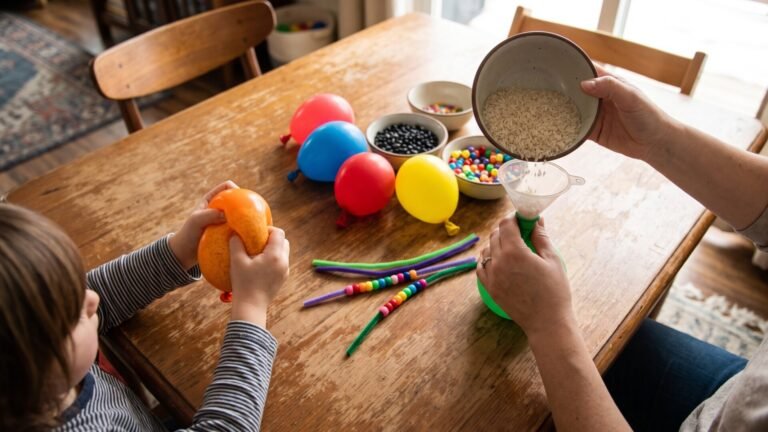
- Rice or Bean Bags – Small homemade bags for squeezing or tossing gently.
- Soft Pillow Stack – Stack floor cushions or pillows to make a “snuggle zone.”
- DIY Tent or Playhouse – A small tent or pop-up playhouse creates a private space.
Integrating Calm Corners Into Daily Life
- Morning Routine: Encourage a quick visit for a calm start to the day.
- Transition Times: Use the calm corner before leaving home, before nap, or after preschool.
- Meltdowns: Guide toddlers to the space when emotions escalate.
- Quiet Play: Encourage independent play, reading, or tactile exploration.
Benefits for Parents and Caregivers
- Less stress dealing with meltdowns in public spaces
- Fosters parent-child communication about emotions
- Helps toddlers learn self-regulation skills early, reducing future challenges
Key Takeaways
- Calm corners are positive, safe, and supportive spaces for toddlers to manage emotions.
- Include soft, tactile, and visual elements for optimal calming effects.
- Use the corner for independent play, guided practice, or reflection.
- Rotate toys and activities to maintain interest and engagement.
- Combining a calm corner with emotional coaching and mindfulness encourages lifelong self-regulation skills.
Suggested Calm Corner Toy Opportunities
- Weighted Stuffed Animals or Lap Pads – Provide deep pressure calming
- Squishy Balls or Stress Toys – Tactile self-soothing
- Kinetic Sand or Play Dough – Creative sensory exploration
- Glitter Bottles or Liquid Motion Timers – Visual focus for calming
- Textured Mats or Fabric Swatches – Tactile variety
- Soft Board Books – Emotional literacy and quiet reading
- Soft Musical Instruments – Gentle auditory stimulation
Creating a calm corner helps toddlers develop emotional awareness, self-soothing skills, and independence in a way that’s safe, supportive, and fun. With intentional setup, consistent use, and a variety of sensory tools, this small space can make a big difference in your child’s emotional and developmental journey.