Developmental Checklist: Toys for 18‑Month‑Old Milestones
Parenting an 18‑month‑old is equal parts heart‑melting giggles and “Where did that go?” panic — all wrapped in tiny shoes that somehow always go missing. At this age, toddlers are little explorers: they’re moving more confidently, talking more everyday sounds (and maybe a few real words), and figuring out how the world works with their hands, minds, and mouths. Toys at this stage aren’t just fun — they’re tools that help them learn, grow, and flex new muscles—literally and neurologically.
This developmental checklist isn’t about “you must buy these to be a good parent.” It is about what skills most 18‑month‑olds are building — and the toys that support those skills in a safe, engaging, developmentally appropriate way. Each toy category below includes examples of products you can link to (Amazon, Target, Walmart, etc.) so you can help your readers find exactly what they need with ease.
Let’s roll.
What’s Going On With Your 18‑Month‑Old?
At around 18 months, most toddlers are doing a mix of the following:
- Walking confidently, sometimes running or climbing
- Exploring shape and object permanence
- Using a few words and imitating language
- Stacking, pushing, pulling, and sorting
- Showing early pretend play
- Fine motor experiments (blocks, balls, peg toys)
Every kid is different — some will sprint ahead in language, others will take their time with words and focus on stacking towers. That’s cool. This checklist covers what’s typical, not what’s required. We’ll highlight toys that gently support these skills in fun, open‑ended ways.
1. Gross Motor Skills — Move It, Little One
Around 18 months your toddler likely:
- Walks steadily
- Tries climbing onto low furniture
- Pushes/pulls objects
- Begins kicking or rolling balls
Gross motor play builds strength, balance, and coordination — and that leads to confidence in exploring the world.
op Toys for Gross Motor Development
Activity Walker or Push Toy
A push toy gives an 18‑month‑old something to lean into as they walk, building hip, leg, and core strength.
- Classic Wooden Push Walker — Simple, sturdy, and great for early walkers.
- Baby Activity Walker with Blocks — Combines walking support with built‑in fine motor play.
Why it works: It offers support without restricting movement and introduces multi‑sensory play as kids push, walk, stop, and stack.
Ride‑On Toys
Low ride‑ons help kiddos learn balance and coordination before they’re ready for tricycles.
- Toddler Ride‑On Car with Steering Wheel — Kid‑powered forward motion builds confidence.
- Sit & Scoot Vehicle — Great indoors and out.
Why it works: Toddlers are learning cause and effect every time their feet push them forward — and they get to steer their own adventure.
Soft Play Climber
For safe indoor climbing, soft foam climbers are a godsend.
- Soft Foam Climber with Slide — Perfect for living rooms or playrooms.
- Foldable Soft Play Steps — Easy to store and ideal for climbing practice.
Why it works: Toddlers love to go up — and these sets provide a soft landing so caregivers can relax a bit.
2. Fine Motor Skills — Tiny Hands, Big Progress
Fine motor development is all about controlling smaller muscles — think stacking blocks, turning pages, or grasping pegs.
At 18 months, your toddler might:
- Stack 2–3 blocks
- Scribble with crayons
- Turn knobs or open lids
- Manipulate large puzzles
Here’s what helps that skill along.
Top Toys for Fine Motor Development
Large Stacking Blocks
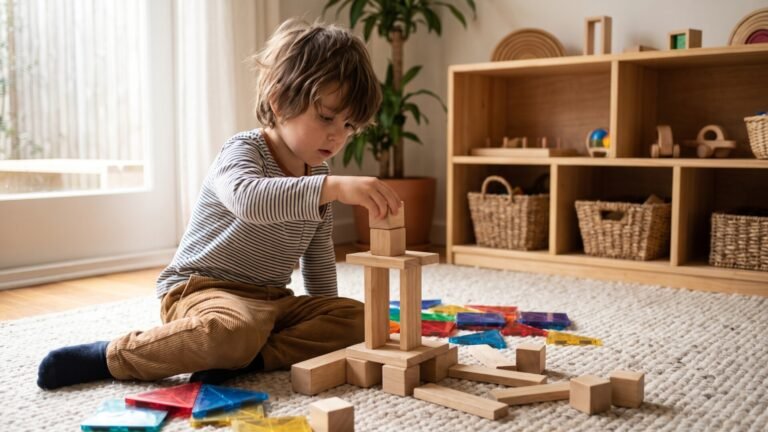
Big blocks are perfect for little hands to grasp and stack.
- Soft Foam Building Blocks — Lightweight, safe, and easy to balance.
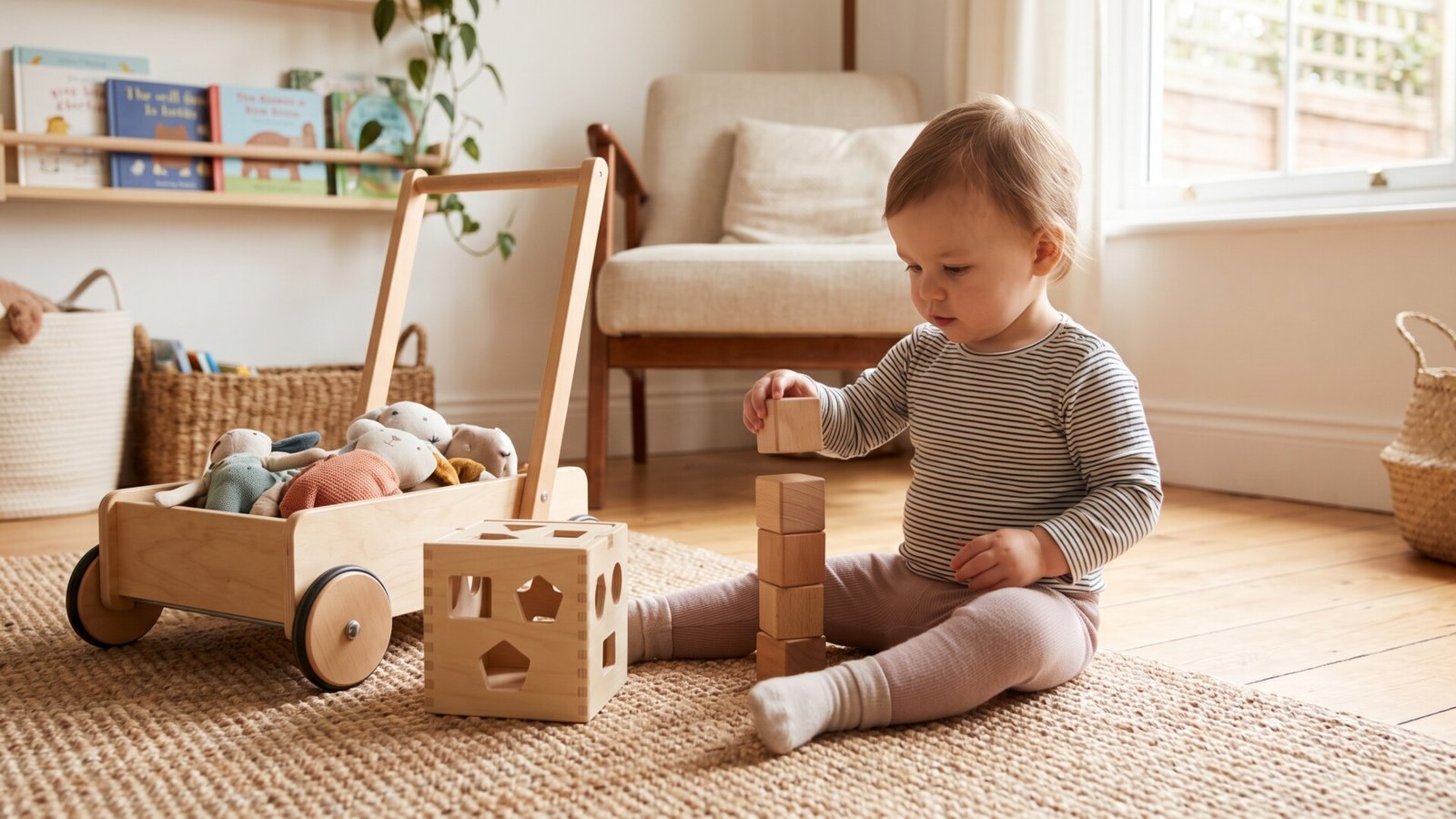
- Wooden Block Set for Toddlers — Classic and durable.
Why it works: Stacking improves hand‑eye coordination, balance, and spatial reasoning.
Jumbo Peg Puzzles
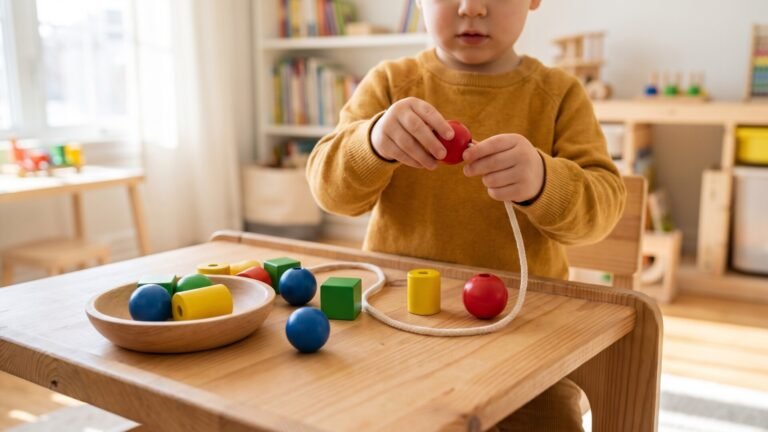
Puzzles with knobs that are easy to grab help refine precision.
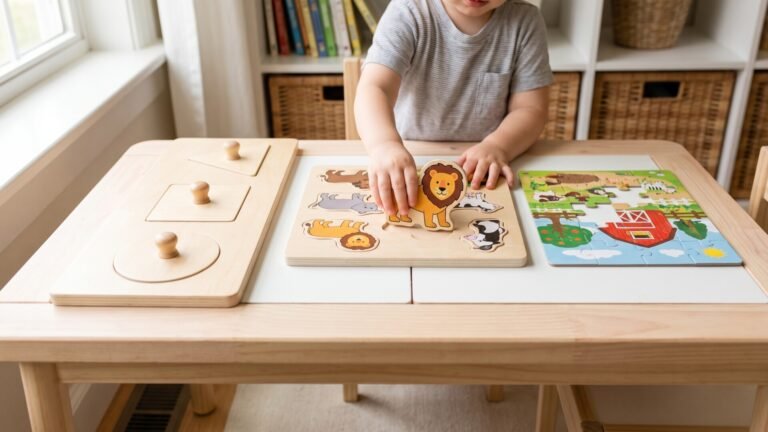
- Wooden Knob Puzzles (Animals/Shapes) — Great for early problem‑solving.
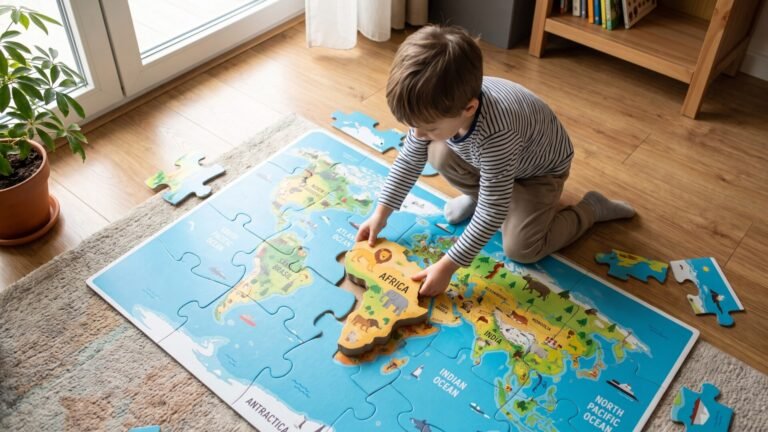
- Large Floor Puzzle Set — Big pieces, big wins.
Why it works: Toddlers love fitting shapes into holes, and each success boosts confidence.
Shape Sorters
This classic toy teaches shape recognition and matching.
- Shape Sorting Cube — Large, colorful, and satisfying.
- Bucket of Shape Sorters with Lid — Bonus: push shapes through the top and dump them out.
Why it works: Sorting builds cognitive skills and fine motor control simultaneously.
3. Language & Communication — Let’s Talk (Even More!)
Around this age, toddlers often:
- Use 5–20 words (sometimes more)
- Imitate sounds, phrases, and animals
- Respond to simple requests
- Enjoy story time and singing
Toys that stimulate interaction, imitation, and vocabulary help support these milestones.
Top Toys for Language Development
Board Books with Textures or Flaps
Books are magic for language — especially when they’re interactive.
- Touch & Feel Board Books — Textures invite descriptive language.
- Lift‑the‑Flap Books — Great for surprise and prediction (“Where’s the puppy?”).
Why it works: Reading together teaches vocabulary and turn‑taking.
Pretend Play Sets
Pretend play ignites dialogue and imagination.
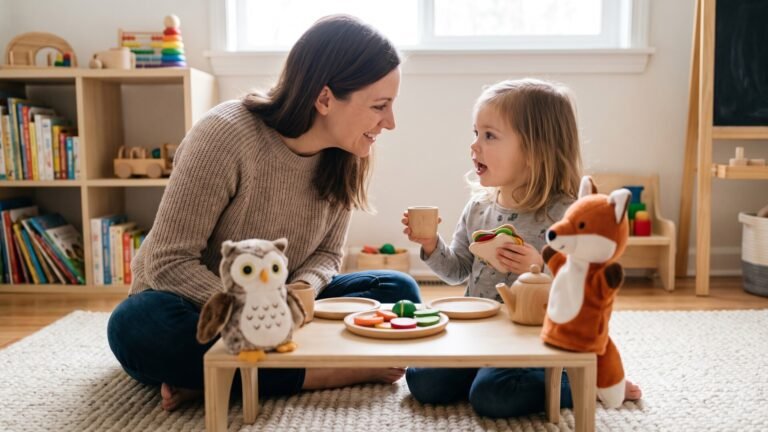
- Toy Tea Set — “Pour the tea!” and boom you have narrative play.
- Mini Kitchen Playset — Toddlers can imitate real mealtime language.
Why it works: Pretend scenarios encourage back‑and‑forth language and expression.
Musical Instruments
Sound + movement + rhythm = talkative toddlers.
- Toddler Xylophone with Mallets
- Handheld Maracas or Drums
Why it works: Toddlers vocalize more when they feel rhythm and success.
4. Sensory Exploration — Touch, See, Hear, Move
Sensory play is all about gratifying curiosity while helping the brain make sense of sensations. At 18 months, sensory engagement fuels cognitive growth and regulation.
Top Sensory Toys
Sensory Balls
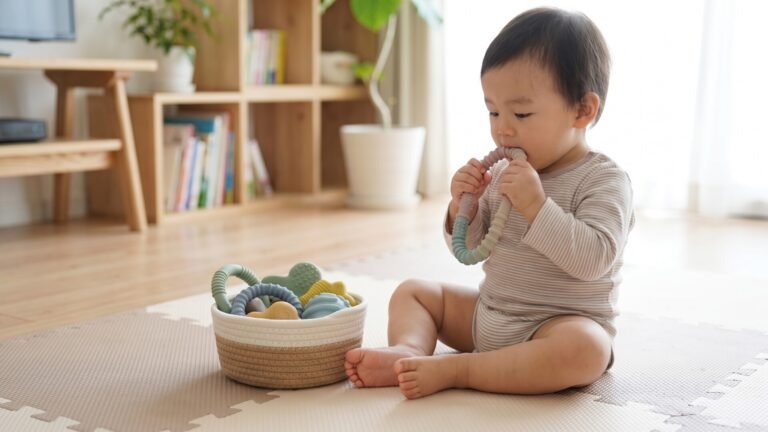
Textured balls that roll, bounce, and feel interesting under little fingers.
- Set of Sensory Balls with Different Textures
- Lightweight Plush Ball Set
Why it works: Rolling, kicking, and squeezing balls build sensory and motor skills.
Play Dough Kits (Toddler Safe)
Soft squishy dough invites tactile exploration.
- Non‑Toxic Toddler Play Dough Set
- Play Dough with Big Cutters and Rollers
Why it works: Rolling and shaping dough strengthens hands and stimulates creativity.
Water Play Table
Perfect for outdoor sensory fun.
- Water & Sand Activity Table — Great for scooping, pouring, and teamwork.
Why it works: Water play builds cause/effect understanding and encourages language around volume and motion.
5. Cognitive Skills — Thinking, Problem Solving, Discovery
Cognitive development at this age involves:
- Understanding object permanence
- Problem‑solving simple puzzles
- Recognizing cause and effect
- Beginning memory and categorization
Here are toys that make thinking feel like play.
Top Cognitive Toys
Nesting Cups or Blocks
Simple stacking, nesting, and counting fun.
- Nesting Cups Set
- Stacking Rings with Bright Colors
Why it works: Toddlers discover size relationships and sequencing.
Cause & Effect Toys
Press a button? Something happens. Toddlers love that.
- Push‑and‑Spin Activity Toys
- Pop‑Up Musical Toys
Why it works: Toddlers begin to predict outcomes — i.e., if I push, it pops!
Simple Shape Builders
Not tricky puzzles — just small shape building.
- Big Tangram Set for Toddlers
- Chunky Shape Building Blocks
Why it works: Shapes reinforce problem solving and spatial awareness.
6. Emotional & Social Play — Growing Inside Too
At 18 months, emotional and social play looks like:
- Parallel play next to other kids
- Expressing preferences
- Seeking comfort and connection
- Imitating caregiving roles
Toys that encourage connection and pretend help toddlers practice empathy and social language.
Top Social & Emotional Toys
Dolls & Soft Plush Figures
Perfect for nurturing play.
- Soft Baby Doll with Simple Clothing
- Stuffed Animal Set
Why it works: Imitating caregiving builds empathy and comfort with emotions.
Play Food Sets
Transform mealtime into imaginative play.
- Toddler Play Food & Tray Set
- Felt Food Pretend Play Set
Why it works: Toddlers narrate their own pretend dinners (“More juice!”).
Simple Dress‑Up Accessories
Hats, scarves, or props that invite imagination.
- Chunky Dress‑Up Set
- Pretend Play Accessories Bag
Why it works: Imitation of adult roles opens emotional expression and language.
7. Everyday Play — Functional Skills Through Daily Routines
Toddlers learn a ton from everyday routines. Toys that reflect daily life help them connect play with real experiences.
Practical Everyday Toys
Toy Phone
Toddlers love imitation — especially when adults are on the phone too.
- Pretend Play Phone with Sounds
- Wooden Toy Phone with Numbers
Why it works: Encourages pretend dialogue and imitation.
Toy Cleaning Set
Let them help — for real or in play.
- Toy Broom, Dustpan & Brush Set
- Mini Toy Mop
Why it works: Physical movement and imitation of real tasks builds confidence and focus.
Sorting & Carrying Tools
Buckets, totes, and baskets enrich play.
- Stackable Storage Buckets
- Toy Shopping Cart
Why it works: Sorting toys by size, color, or type builds early classification skills.
How to Use This Checklist
Remember the “Just Right” Challenge
Toys shouldn’t be too easy (boring) or too hard (frustrating). For most 18‑month‑olds:
- Puzzles with 2–4 pieces are great
- Push toys should offer slight resistance
- Balls should be big enough to grasp easily
Rotate Toys, Keep Play Fresh
Don’t overwhelm your kiddo with every toy at once. Try:
- 3–5 toys out at a time
- Rotate every few days
- Pair a “big” activity (climber, water table) with a “small” activity (puzzle, blocks)
This keeps novelty high and attention sharp.
Join Playtime
Toddlers learn so much from your presence. Narrate what they’re doing:
- “Look how the red block stacks on the blue!”
- “Push the car — vroom vroom!”
- “Open the book and let’s find the puppy!”
Language paired with action accelerates growth.
Safety Tips for Toy Play
A few house rules that keep playtime fun and safe:
- Check sizes: Anything that fits fully in a toddler’s mouth is a no‑go.
- Avoid small detachable pieces: These are choking hazards.
- Wash frequently: Board books, plastic toys, blocks — they all get drooled on.
- Inspect often: Cracks, splinters, or loose parts mean it’s time to toss or retire a toy.
Trust your intuition. If a toy feels like a hazard, it probably is.
Sample Play Stations You Can Set Up
Here are ready‑made playzone ideas you can share with your audience — simple combos that target multiple skills.
Station #1: Movers & Groovers
- Ride‑On Toy
- Soft Play Climber
- Sensory Ball Set
Goals: gross motor strength, coordination, sensory input.
Station #2: Little Builders’ Workshop
- Stacking Blocks
- Shape Sorter
- Nesting Cups
Goals: fine motor practice, problem solving, spatial reasoning.
Station #3: Language & Pretend Café
- Board Books
- Pretend Play Phone
- Play Food Set
Goals: vocabulary growth, social play, imagination.
Station #4: Quiet Table Time
- Jumbo Peg Puzzle
- Colorful Crayons & Paper
- Texture Board Book
Goals: focus, finger control, sensory engagement.
What to Expect Next
Around 2 years (24 months), many toddlers will:
- Use more words in short phrases
- Build taller block towers
- Imitate more complex actions
- Engage in more cooperative play
You’ll notice a shift from solo exploration to more interactive play. The toys you introduce now plant seeds for that shift.
Wrapping It Up
Your 18‑month‑old is learning a lot — and the right toys help your toddler practice those new skills in joyful, pressure‑free ways. This checklist gives you categories (gross motor, fine motor, language, sensory, cognition, emotional play, everyday life) plus specific toy ideas you can link to in your posts.
Remember: toys are tools, not trophies. The real development magic happens when your toddler engages with objects, and you join in the play.
Keep it playful. Keep it safe. Keep it simple.