Best Magnetic Tile Alternatives for 2‑Year‑Olds
If you’ve got a toddler who loves to stack, sort, and build, magnetic tiles might feel like the obvious go‑to toy. But let’s be real — they’re not the only game in town. For 2‑year‑olds, especially, play needs to be safe, hands‑on, and just a bit messy (because that’s how they learn best). Magnetic tiles are great for early spatial skills, but sometimes you want something softer, chunkier, or more sensory. This here is your friendly, down‑to‑earth guide to the best magnetic tile alternatives for 2‑year‑olds — things that build fine motor skills, boost creativity, and keep those little hands happily busy.
I’m talking about toys that don’t just pass the time, but actually help kids learn how to coordinate hand and eye movements, balance objects, and make sense of shapes and space. These picks work for playtime at home, as screen‑free afternoon fillers, or even for rainy day brain boosts.
We’ll cover classic wooden blocks, chunky puzzles, soft building sets, foam tiles, big‑piece construction toys, and more. And yes, I’ll point you toward places you can snag them (think Amazon, Target, Walmart, and specialty shops) with my affiliate links, so you can get ideas — and, if you decide to buy, support the blog at no extra cost to you.
Let’s dive in.
Why Look Past Magnetic Tiles?
Before we jump into toys, why bother with alternatives at all? Magnetic tiles are wonderful for toddlers because they snap together easily and make cool shapes. But they also have some limits:
- Small magnets or edges can be risky if the set isn’t toddler‑safe.
- Kids can outgrow the novelty once they get more dexterous.
- Not much sensory variation — most magnetic tiles feel the same.
Alternatives can give you:
- Better sensory feedback (textures, weights, sounds).
- Chunkier pieces for little hands.
- More open‑ended play that encourages pretend scenarios and storytelling.
All good stuff when you’re focused on fine motor play and early learning.
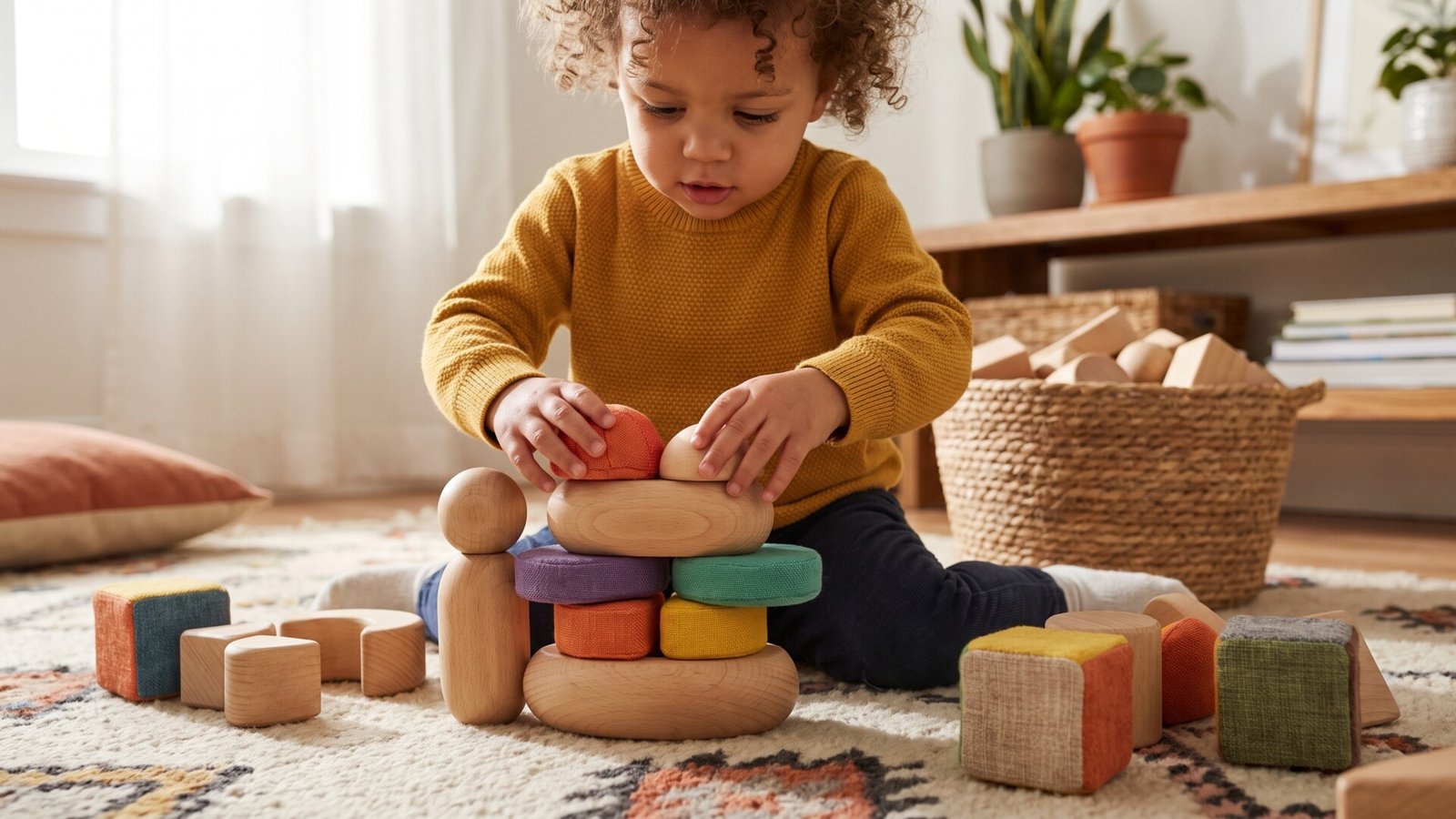
1. Classic Wooden Blocks: Simple, Tough, Timeless
Wooden blocks are like the granddaddy of all toddler toys. Simple, sturdy, and endlessly versatile, they’re perfect for kids who are just learning to stack.
You don’t need fancy colors or themes here. Solid blocks encourage creativity without overwhelming a 2‑year‑old.
Top Picks:
- Basic Wooden Block Set — Large, sanded edges, bright but not flashy. Great for towers, bridges, and knock‑downs.
- Natural Hardwood Blocks — A bit pricier, but these feel great in the hands and stand up to rough play.
Why they’re great for toddlers:
- Big pieces that are easy to grasp.
- Encourage balance and problem‑solving.
- No tiny bits to swallow.
Where to find them: Big sets are available on Amazon and at Target or Walmart. If you’re into heirloom quality, check specialty wooden toy brands at local boutiques or online stores like Melissa & Doug.
2. Chunky Shape Sorters: Perfect for Early Geometry
Shape sorters are a classic for a reason. They help kids learn shapes, improve hand‑eye coordination, and figure out how things fit together — all while feeling like play.
For 2‑year‑olds, you want big pieces with easy‑grip knobs and holes that aren’t too tight.
Top Picks:
- Traditional Shape Sorter Cube — Simple shapes, big pieces, satisfying fits.
- Animal or Vehicle Sorter Sets — Fun themes that make kids smile and talk while they play.
Kids can dump and reload the shapes over and over, and you don’t even need to stand over them the whole time. That makes this perfect for independent play bursts.
3. Foam Building Tiles: Safe, Soft, and Edgy Fun
If you like the idea of magnetic tiles but want something softer and sensory‑rich, foam building tiles are a solid choice. They’re big, light, and poofy — perfect for little builders.
These often come in bright colors and can hook together so kids can build flat layouts or even 3D shapes.
Pros:
- Lightweight and soft — great for toddlers who like to chew or throw.
- Easy to pick up and put down.
- Often washable (a huge win if you’ve got a drooly toddler).
My go‑to choices here are ones with interlocking edges that are easy to twist together.
Where to get them: You’ll find them on Amazon and at big box stores; look for ones marketed as “toddler friendly” or “large foam play tiles.”
4. Big‑Piece Construction Sets — Not Magnetic, Still Awesome
There are a bunch of building sets on the market that use big, soft, or chunky pieces. These can be push‑together pegs, oversized bricks, or bendy connectors. The point is they build strength and coordination without tiny bits.
Good Options:
- Duplo‑Style Bricks — Almost toddler‑proof building blocks and familiar for later Lego play.
- Bendable Tube Sets — Pieces that clip or plug together and make shapes, tunnels, and more.
These are great when your kiddo is ready for a bit more challenge than basic blocks, but still needs big, easy‑to‑hold pieces.
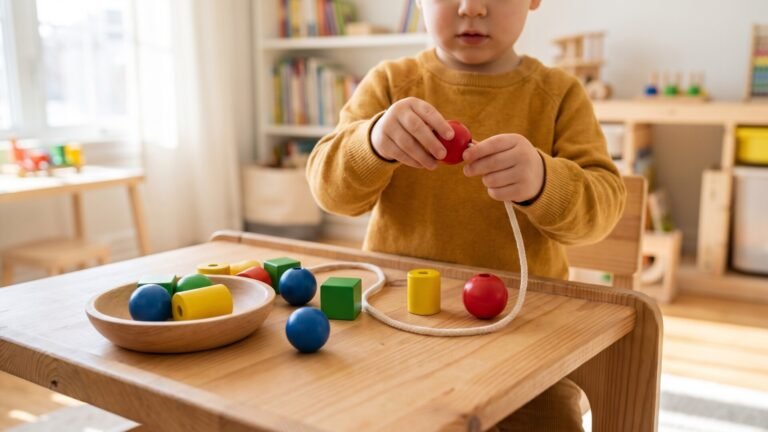
5. Lacing Beads & Threading Sets: Hands On Fine Motor Gold
Two‑year‑olds love stringing things — it’s mesmerizing for them (and sometimes therapeutic for caregivers). Big, chunky beads and thick laces are ideal here.
You get:
- Improved pincer grasp.
- Focused, quiet play.
- A chance to learn colors and patterns as they grow.
Start with simple rings or big beads, and add complexity over time.
Safety note: Always supervise lacing play — don’t leave long strings with a toddler unattended.
You can grab a set of big lacing beads on Amazon, or find themed sets at craft stores like Michaels.
6. Soft Blocks & Fabric Shapes: Cushy Creative Play
For kids who love squeezing, stacking, and crashing things (because toddlers love crashing things), soft blocks are clutch.
These come in foam covered with knit or canvas fabric, often with colors, numbers, or textures printed on them.
They’re great for:
- Pile‑ups that won’t hurt toes.
- Sensory play (ruffled edges, squishy feels).
- Toddlers who like dumping and sorting.
Where to find them: Amazon, Walmart, and boutique baby gear shops all have soft block options.
7. Peg Boards & Large Pegs: Tapping Into Concentration
Peg boards are another awesome alternative that’s all about fine motor skills. Big pegs are easy for little hands to grab and push into holes.
Try sets that come with:
- A baseboard with bright shapes.
- Big pegs in fun, bold colors.
- Pattern cards for thoughtful play (once they get it).
This one’s great because toddlers feel a win every time a peg goes in — it’s so satisfying — and you can expand play over time with pattern challenges.
8. Puzzle Play — Chunky, Knobbed, and Toddler‑Sized
Puzzles are like the stealth MVP of fine motor development. When you pick puzzles with big pieces and handle knobs, toddlers can handle them without frustration.
Look for:
- Farm animals.
- Vehicles.
- Alphabet puzzles with knobs.
Not only do kids match shapes, they start talking about what they see, which is awesome for early language too.
9. Sensory Bins With Big Pieces: A DIY Favorite
Here’s where you can get creative without buying something new: sensory bins. Fill a shallow bin with big, safe items that toddlers can scoop, pour, and dig. Think:
- Large wooden scoopers.
- Big pom poms.
- Big pasta shapes (uncooked, under supervision).
- Oversized foam letters.
Not all of this is “building” in the traditional sense, but all of it works fine motor muscles and keeps little attention spans engaged.
You can theme bins — color bins, size bins, shape bins — and rotate materials to keep play fresh.
10. Soft Dollhouse, Play Scenes, and Big Figure Sets
Once toddlers start to enjoy storytelling, toys that let them “act out” scenes are golden. Big castle sets, farm sets, or dollhouses with chunky figures give kids a world they can manipulate — people, animals, parts, doors, and furniture.
These don’t always build tall stacks, but they build:
- Fine motor skills (picking up figures, placing items).
- Narrative play (this is a dog, this is lunch, this is nap time).
Take a big farm play set with chunky animals as an example. A toddler can carry a cow, open barn doors, sort animal shapes — all with one toy.
11. Play Dough Sets With Big Tools: Messy Goodness
Play dough earns a spot here because it’s motor skills in disguise. Rolling, squishing, cutting (with toddler safe tools), and pressing all work fingers and wrists.
Pick sets with:
- Big, chunky cutters and rollers.
- Thick, non‑toxic dough.
- Molds shaped like shapes, animals, or letters.
Play dough is inexpensive and lasts a long time if stored well. Even better: you can make your own with a simple recipe at home.
12. Rolling & Stacking Toys — Simple but Powerfully Effective
Your toddler might be right now in the prime phase of push, pull, and stack. That’s cool. Some toys are built exactly for that.
Examples include:
- Stacking rings.
- Curved or wedge stackers.
- Push‑along rollers with beads or bits inside.
These are smaller investments with huge payoffs in coordination.
13. Soft Books With Flaps & Textures
Yes, books can be magnetic tile alternatives when they’re built to play with. Look for touch‑and‑feel books with flaps to lift, zippers to unzip, buttons to press (soft ones), and tabs to pull.
Toddlers learn cause and effect and build fine motor skills, all while you read together.
14. Big‑Piece Train Sets & Tracks
Chunky train tracks that fit together easily are a great intro to building without magnets. Your kid can connect pieces, set cars on tracks, and learn sequencing.
Look for sets with:
- Thick track pieces.
- Big train cars.
- Easy snap‑in connectors.
These grow with your toddler into later play stages too.
15. Ball Runs & Drop Toys
Ball runs or drop towers (with big balls) are sensory and motor‑rich. Toddlers love dropping balls and watching them roll out.
These help with:
- Grasp and release.
- Tracking motion.
- Cause and effect.
They’re simple, but toddlers never seem to tire of watching that ball go.
Play Tips for Success
Okay, you’ve got a big list of toys. Here’s the down‑home advice about using them:
- Rotate toys — Toddlers don’t need 50 toys out at once. Switch things every few days to keep curiosity alive.
- Follow their lead — If stacking towers is their jam, give them blocks and talk about height and color.
- Join in play — Your presence turns play into learning faster than any toy.
- Keep sizes big — For this age, anything that’s too small is just a choking hazard waiting to happen.
- Layer skills — Start with simple sorters, then build to puzzles, then to open‑ended construction.
Toddlers learn by doing, and the right toys make that “doing” easier, safer, and more fun.
Final Thoughts
Magnetic tiles get lots of buzz — and for good reason. But when it comes to fine motor development in 2‑year‑olds, there are tons of other toys that do the job just as well or better, especially in the early stages. From wooden blocks and foam tiles to puzzles and sensory bins, these alternatives help toddlers coordinate hands and eyes, explore sensory feedback, and build confidence.
You don’t have to ditch magnetic tiles. But mixing in a handful of these alternatives can spark new kinds of play and keep your kiddo’s brain and hands growing strong.