Calm-Down Corner Toys: Tools for Emotional Regulation in Preschoolers
Help your child self-soothe, focus, and manage emotions with the right toys
Preschoolers experience big feelings—from frustration and anger to excitement and anxiety. At this age, children are still learning how to identify emotions, communicate needs, and calm themselves. A calm-down corner equipped with the right tools and toys can be a game-changer for both parents and kids.
In this guide, we’ll explore what calm-down corners are, why they matter, and specific toys and strategies to help your child develop emotional regulation skills.
What Is a Calm-Down Corner?
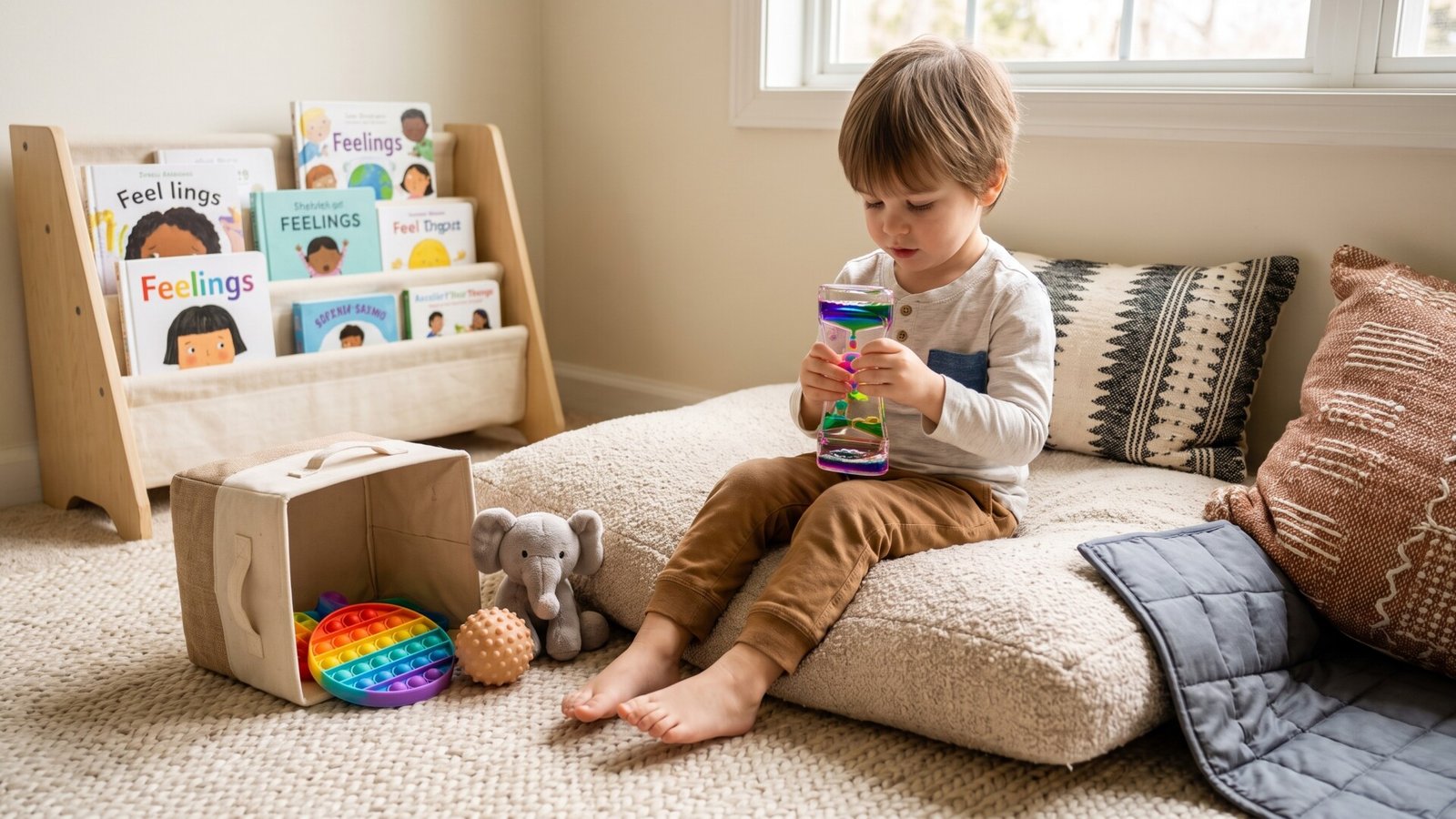
A calm-down corner is a designated space in your home where your child can go to relax, process emotions, and regain control. It’s not a time-out or punishment zone—it’s a safe, supportive space for learning self-regulation.
Key features include:
- Comfortable seating: cushions, beanbags, or a small chair
- Soft lighting: natural light or a small lamp
- Soothing textures: plush toys, weighted blankets, or sensory pillows
- Calming toys and activities: fidget tools, stress balls, or sensory bins
Why Calm-Down Corners Work
Children are still developing the prefrontal cortex, the part of the brain responsible for decision-making and emotional control. A calm-down corner gives them:
- A predictable routine: Knowing where to go when emotions are high provides structure.
- A safe outlet: Toys and sensory items allow children to process emotions physically.
- Self-regulation practice: Over time, children learn to recognize emotions and calm themselves.
- Parent support: Calm-down corners reduce conflicts and power struggles, giving you space to stay calm too.
Top Toy Categories for a Calm-Down Corner
Choosing toys for your calm-down corner should focus on sensory input, tactile exploration, and quiet engagement. Here are the main categories:
1. Sensory Toys
Sensory toys help children engage touch, sight, and sometimes sound to calm down.
Examples:
- Kinetic sand: Satisfying to mold and squish
- Water beads: Soft, squishy, and visually engaging
- Fidget mats or tactile boards: Combine textures like velvet, bubble wrap, and buttons
Benefits:
- Provides tactile stimulation
- Helps with focus and calming
- Encourages hands-on exploration
2. Fidget Tools
Fidget tools allow children to release nervous energy quietly.
Examples:
- Fidget cubes
- Pop-it toys
- Stretchy bands or tangle toys
Benefits:
- Supports fine motor development
- Offers quiet sensory input
- Can be used while sitting or standing
3. Soft and Weighted Items
Soft and weighted toys provide a comforting sense of security.
Examples:
- Plush animals
- Weighted lap pads or blankets
- Bean bags or soft cushions
Benefits:
- Mimics hugging or deep pressure therapy
- Promotes calm and relaxation
- Creates a safe, cozy atmosphere
4. Visual and Auditory Soothers
Some children benefit from visual or auditory stimulation to reset their emotions.
Examples:
- Glitter jars or calm-down bottles
- Liquid motion timers
- Soft music or nature sounds
Benefits:
- Helps children slow their breathing
- Promotes visual tracking and attention
- Provides a soothing multi-sensory experience
5. Manipulative Toys
Toys that require focus and manipulation can help redirect emotional energy.
Examples:
- Puzzles
- Stacking blocks
- Sorting beads or counting games
Benefits:
- Improves focus and concentration
- Encourages problem-solving skills
- Provides tactile engagement that is calming
How to Set Up Your Calm-Down Corner
Step 1: Choose the Right Space
- Pick a quiet corner away from high-traffic areas
- Ensure the space feels inviting, not isolated
- Include soft floor coverings or rugs
Step 2: Include Comfortable Seating
- Bean bags, small chairs, or cushions provide cozy spots to sit
- Weighted items or small blankets add extra comfort
Step 3: Select Toys Thoughtfully
- Offer 2-3 toys from each category for variety
- Keep toys organized and accessible
- Rotate toys occasionally to maintain interest and novelty
Step 4: Add Visual and Auditory Elements
- Calm colors like soft blues and greens
- Glitter jars or slow-moving visual toys
- Optional gentle music or white noise
Step 5: Set Simple Rules
- Calm-down corners are for self-regulation, not punishment
- Encourage children to choose a toy and stay for a few minutes
- Celebrate when they return calm and composed
Tips for Using the Calm-Down Corner Effectively
- Introduce it during calm times: Show your child how to use the corner before emotions run high.
- Model the behavior: Use calming strategies yourself to demonstrate self-regulation.
- Use language to label emotions: “I can see you’re frustrated. Let’s take a break and calm down.”
- Avoid over-policing: Let children explore toys and sensory items independently.
- Encourage short sessions: Even a few minutes can be effective for emotional reset.
Benefits Beyond Emotional Regulation
A calm-down corner can also support cognitive and social-emotional development:
- Problem-solving: Manipulative toys encourage planning and concentration.
- Language skills: Children narrate actions or describe feelings while playing.
- Social skills: If siblings share the corner, children learn cooperation and patience.
- Mindfulness: Slow, focused play promotes present-moment awareness.
DIY Ideas for Calm-Down Corner Toys
You can create low-cost DIY alternatives to store-bought toys:
- Stress balls: Balloons filled with rice or flour
- Sensory bottles: Glitter or water beads in clear bottles
- Felt or fabric sensory mats: Patch different textures for tactile exploration
- Pom-pom manipulatives: Soft, squishy pom-poms for squeezing and sorting
- Quiet fidget boards: Buttons, zippers, and snaps attached to cardboard or felt
Integrating Calm-Down Corner Time Into Daily Routine
- Transitions: Use the corner before leaving the house or starting homework
- After conflicts: Allow children to cool down independently
- Quiet moments: Encourage the corner as a space for reflection or imaginative play
- Parent-child check-ins: Occasionally join your child to discuss feelings and strategies
Choosing the Right Toys for Your Child
Every child is different, so toys should be matched to sensory preferences and developmental level:
- Tactile seekers: Stress balls, kinetic sand, textured fidgets
- Visual learners: Glitter jars, liquid timers, calming lights
- Auditory learners: Soft music, gentle chimes, or whisper toys
- Fine motor focus: Puzzles, beads, stacking toys
You can rotate toys weekly to see which have the most calming effect.
Tips for Safety and Durability
- Age-appropriate toys: Avoid choking hazards for children under 3
- Non-toxic materials: Ensure any sensory materials are safe if touched or mouthed
- Sturdy storage: Use bins or baskets to prevent mess and keep toys accessible
- Regular inspection: Replace broken items promptly to maintain safety
Conclusion
A calm-down corner is more than a cozy space—it’s a practical tool for emotional regulation, learning, and development. With the right toys, textures, and atmosphere, children gain skills that last a lifetime: self-soothing, focus, problem-solving, and resilience.
By including a mix of sensory toys, fidget tools, soft items, and visual soothers, you create a versatile, inviting space that supports your child’s emotional growth. Calm-down corners aren’t just for managing frustration—they foster creativity, independence, and mindfulness in preschoolers.