LEGO for Early Learners: Duplo vs LEGO Explained
LEGO isn’t just a toy—it’s a learning tool. From the tiniest toddlers to older kids, LEGO encourages creativity, problem-solving, and fine motor skills. But if you’re a parent of a preschooler, you might wonder: should I start with Duplo or dive into classic LEGO? This guide will help you understand the differences, benefits, and how to make the right choice for your child’s age and developmental stage.
Why LEGO Matters for Early Learning
LEGO bricks are more than building blocks—they support brain development and early STEM skills:
- Fine motor skills: Picking up, snapping, and connecting pieces strengthens finger muscles
- Spatial reasoning: Understanding how pieces fit together teaches geometry and balance
- Creativity: Open-ended building encourages imaginative play
- Problem-solving: Following instructions or designing your own structures introduces planning and critical thinking
LEGO also fosters patience, focus, and pride in accomplishments, making it a staple in many homes and classrooms.
nderstanding Duplo: The Toddler-Friendly LEGO
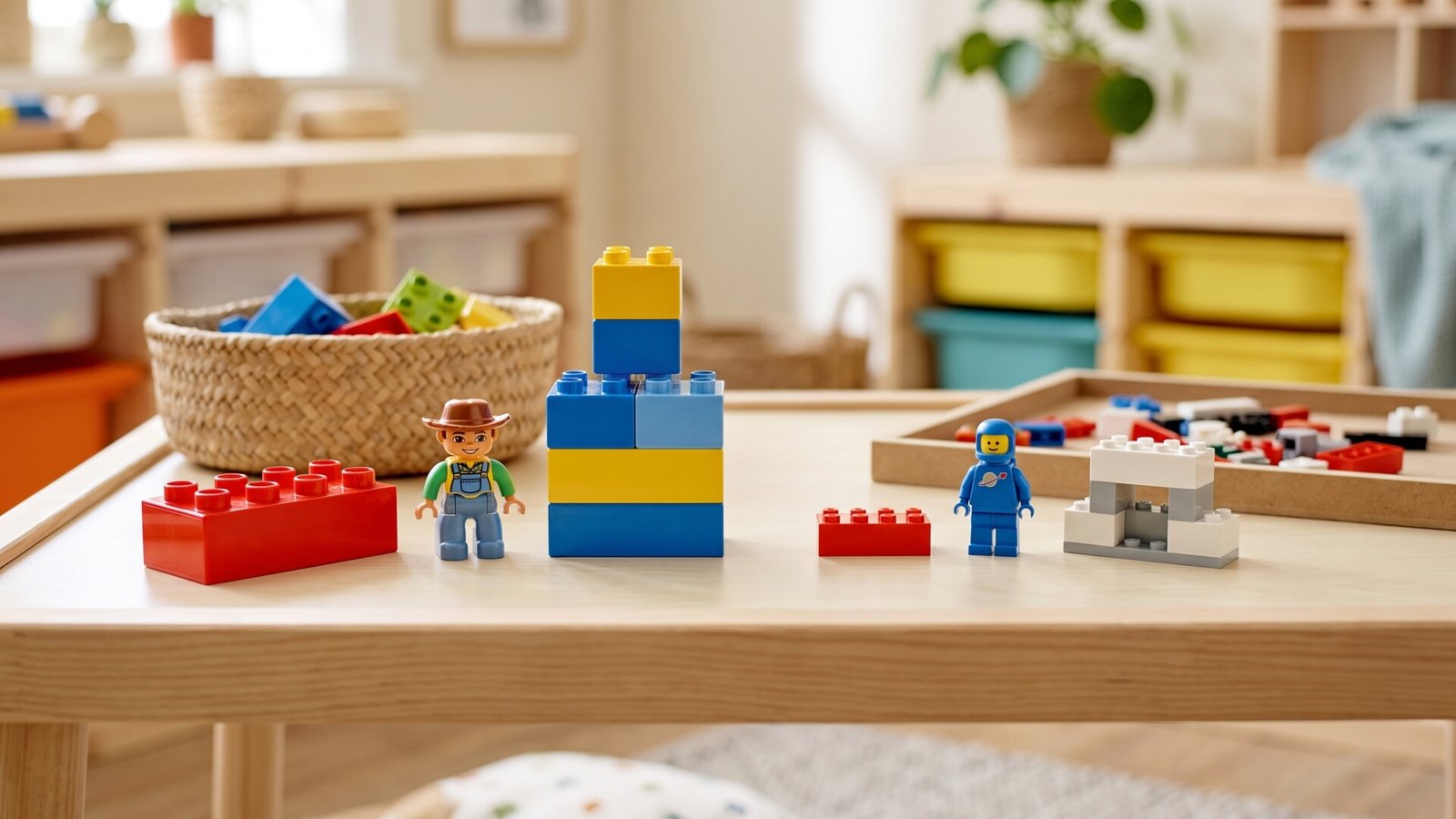
Duplo is designed for children roughly 1½ to 5 years old. The bricks are twice as large as regular LEGO, making them easier to handle and safer for younger hands.
Benefits of Duplo
- Safety and Size
- Large bricks reduce choking hazards and are easier for small hands to manipulate.
- Early Fine Motor Development
- Pressing, connecting, and stacking Duplo bricks strengthens hand-eye coordination and pincer control.
- Open-Ended Play
- Toddlers can build towers, houses, or imaginary worlds without following strict instructions.
- Encourages storytelling and imaginative play.
- Introduction to STEM Concepts
- Duplo sets with animals, vehicles, or basic numbers introduce counting, patterns, and cause-and-effect.
Popular Duplo Sets for Early Learners
- Duplo My First Number Train – Combines building with counting and sequencing
- Duplo Town Submarine Adventure – Encourages imaginative storytelling and fine motor skills
- Duplo Animal Figures Sets – Introduces animal recognition and imaginative role-play
Parent Tip: Let toddlers experiment freely with Duplo bricks. Stacking, knocking down, and rebuilding teaches cause-and-effect and persistence.
Understanding Classic LEGO: For Older or More Skilled Builders
Classic LEGO is intended for children ages 4 and up, with smaller bricks that allow for more detailed creations.
Benefits of Classic LEGO
- Precision and Fine Motor Challenge
- Smaller bricks develop dexterity and hand-eye coordination, building on skills learned with Duplo.
- Cognitive Growth
- Following complex instructions introduces sequencing, planning, and problem-solving.
- Creative Freedom
- Classic LEGO allows for intricate designs, enabling children to explore their imagination at a more advanced level.
- Early Engineering and STEM Skills
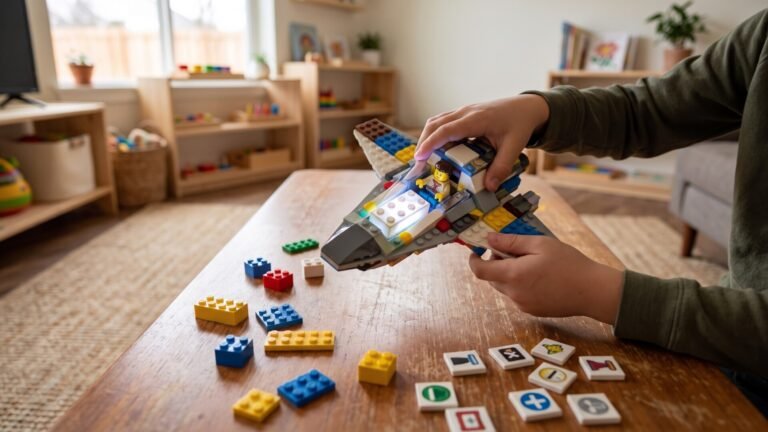
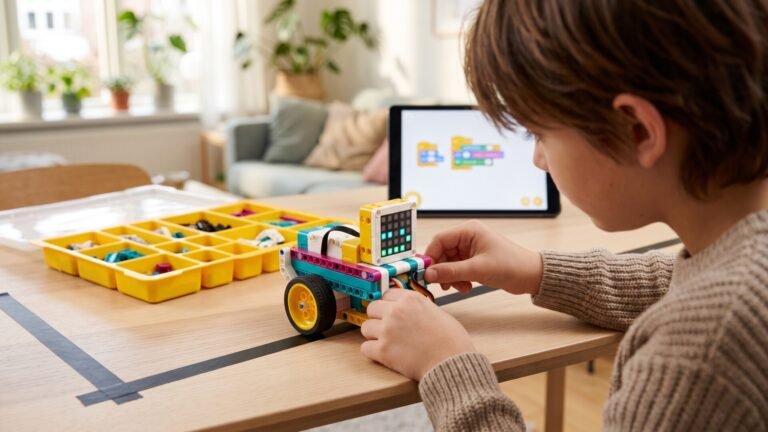
- Sets with moving parts, gears, or simple machines introduce mechanics, structural integrity, and spatial awareness.
Popular Classic LEGO Sets for Early Builders
- LEGO Classic Creative Bricks – Open-ended building to enhance creativity
- LEGO City Starter Kits – Introduces storytelling with vehicles and city elements
- LEGO Friends Mini Sets – Combines building with role-play scenarios
Parent Tip: For beginners, start with open-ended sets before moving on to complex instruction-based kits.
Key Differences Between Duplo and Classic LEGO
| Feature | Duplo | Classic LEGO |
|---|---|---|
| Age Range | 1½ – 5 years | 4+ years |
| Brick Size | Large | Small |
| Fine Motor Challenge | Easy, safe for toddlers | More precise, builds dexterity |
| Complexity | Simple | More complex, instruction-following |
| Imaginative Play | Encouraged | Encouraged with more detailed designs |
| STEM Introduction | Early concepts (numbers, animals) | Advanced concepts (engineering, coding readiness) |
| Safety | Low choking risk | Small pieces (choking risk under 4) |
Takeaway: Duplo is ideal for toddlers and preschoolers just starting with building, while classic LEGO suits older preschoolers and elementary-aged children ready for more intricate challenges.
Transitioning from Duplo to LEGO
Many parents wonder when to move from Duplo to classic LEGO. Signs your child may be ready include:
- Comfort snapping Duplo bricks together and apart
- Interest in more detailed building and following instructions
- Ability to manipulate smaller objects without frustration
Parent Tip: You can mix Duplo and LEGO sets creatively. LEGO offers transition bricks that connect Duplo to LEGO, easing the shift and encouraging continued building growth.
Creative Play Ideas with Duplo and LEGO
1. Story-Based Construction
- Encourage children to build scenes for storytelling
- Combine vehicles, animals, and people to act out adventures
- Supports language development, imagination, and sequencing
2. Counting and Pattern Games
- Use Duplo bricks to sort by color or count pieces
- Classic LEGO can be used for pattern-building challenges
- Reinforces early math skills and problem-solving
3. Engineering Challenges
- Create bridges, towers, and ramps
- Encourage children to test which structures hold weight or survive crashes
- Introduces physics concepts naturally
4. Cooperative Play
- Build a city or playset together
- Teaches teamwork, negotiation, and collaboration skills
Practical Tips for Parents
- Start Age-Appropriate
- Don’t rush smaller LEGO bricks before your child is ready.
- Rotate Materials
- Keep interest high by introducing new sets or combining old ones.
- Focus on Play, Not Perfection
- Celebrate creative structures, even if they don’t look like instructions suggest.
- Use LEGO for Learning Moments
- Count, compare sizes, explore balance, and discuss building strategies.
- Incorporate Cleanup as a Game
- Sorting bricks by color or size strengthens fine motor skills and responsibility.
Benefits of LEGO Play for Early Learners
- Fine Motor Skills: Snapping and connecting pieces builds hand strength and dexterity
- Cognitive Skills: Following instructions, planning, and problem-solving
- Imaginative Play: Role-playing with figures and vehicles enhances creativity and storytelling
- Early STEM Skills: Engineering, physics, and math concepts emerge naturally
- Social and Emotional Growth: Sharing sets and collaborating fosters communication, patience, and confidence
Combining Duplo and LEGO for Maximum Learning
Some parents choose to integrate both Duplo and LEGO in one play area:
- Toddlers start with Duplo to develop grip, coordination, and imagination
- Preschoolers gradually transition to LEGO with instruction-based or open-ended sets
- Mixing sets using transition bricks or creative play encourages flexibility and problem-solving across different scales
Parent Tip: Observe your child’s interests and readiness—some may transition earlier, others may enjoy Duplo longer.
Recommended Starter Sets
Duplo:
- My First Number Train
- Duplo Town Submarine Adventure
- Duplo Animal Figures
Classic LEGO:
- LEGO Classic Creative Bricks
- LEGO City Starter Kits
- LEGO Friends Mini Sets
Transition Bricks:
- LEGO Duplo to LEGO connector bricks
Takeaways
- Duplo is perfect for toddlers and preschoolers just starting to build
- Classic LEGO suits older preschoolers ready for more detailed, precise building
- Both encourage fine motor skills, creativity, problem-solving, and early STEM learning
- Transition gradually, using open-ended play and creative storytelling to foster engagement
- LEGO play is fun, educational, and supports long-term skill development