Toys That Teach Basic Engineering Concepts: A Parent’s Guide
Engineering isn’t just for high school classrooms or adults in labs—it can start at home, long before children learn formal STEM concepts. Even toddlers and preschoolers can explore basic engineering principles through play. Toys that teach engineering encourage problem-solving, creativity, spatial reasoning, and fine motor skills, all while keeping learning fun.
This guide explores why early engineering play matters, what skills it develops, and which toys can introduce children to foundational engineering concepts in a safe, engaging way.
Why Introduce Engineering Concepts Early?
1. Builds Problem-Solving Skills
Engineering is about designing, testing, and improving solutions. Toys that incorporate these principles help children develop:
- Analytical thinking
- Creativity in designing structures
- Persistence in troubleshooting failures
2. Encourages Hands-On Learning
Children learn best by doing and experimenting. Manipulating blocks, gears, and connectors allows them to see cause-and-effect relationships firsthand.
3. Develops Spatial and Fine Motor Skills
Engineering toys often involve stacking, connecting, and balancing pieces, which strengthens:
- Hand-eye coordination
- Dexterity
- Spatial reasoning
4. Fosters Curiosity and Exploration
From towers to bridges, children learn to experiment and hypothesize: What happens if I move this piece? Will the bridge hold?
Early exposure encourages a lifelong curiosity for how things work.
Key Engineering Concepts Children Can Learn Through Play
Even simple toys introduce foundational engineering ideas:
1. Balance and Stability
- Learning to stack blocks or balance shapes teaches concepts like center of gravity and weight distribution.
- Toys like wooden blocks, LEGO, or magnetic tiles allow experimentation with stable structures.
2. Cause and Effect
- Understanding that actions lead to predictable outcomes is a core engineering skill.
- Examples: Marble runs, ramps, and domino tracks teach cause-and-effect through hands-on play.
3. Structural Design
- Building towers, bridges, and vehicles helps children explore strong vs. weak structures.
- Experimenting with different materials or designs teaches design thinking.
4. Simple Machines
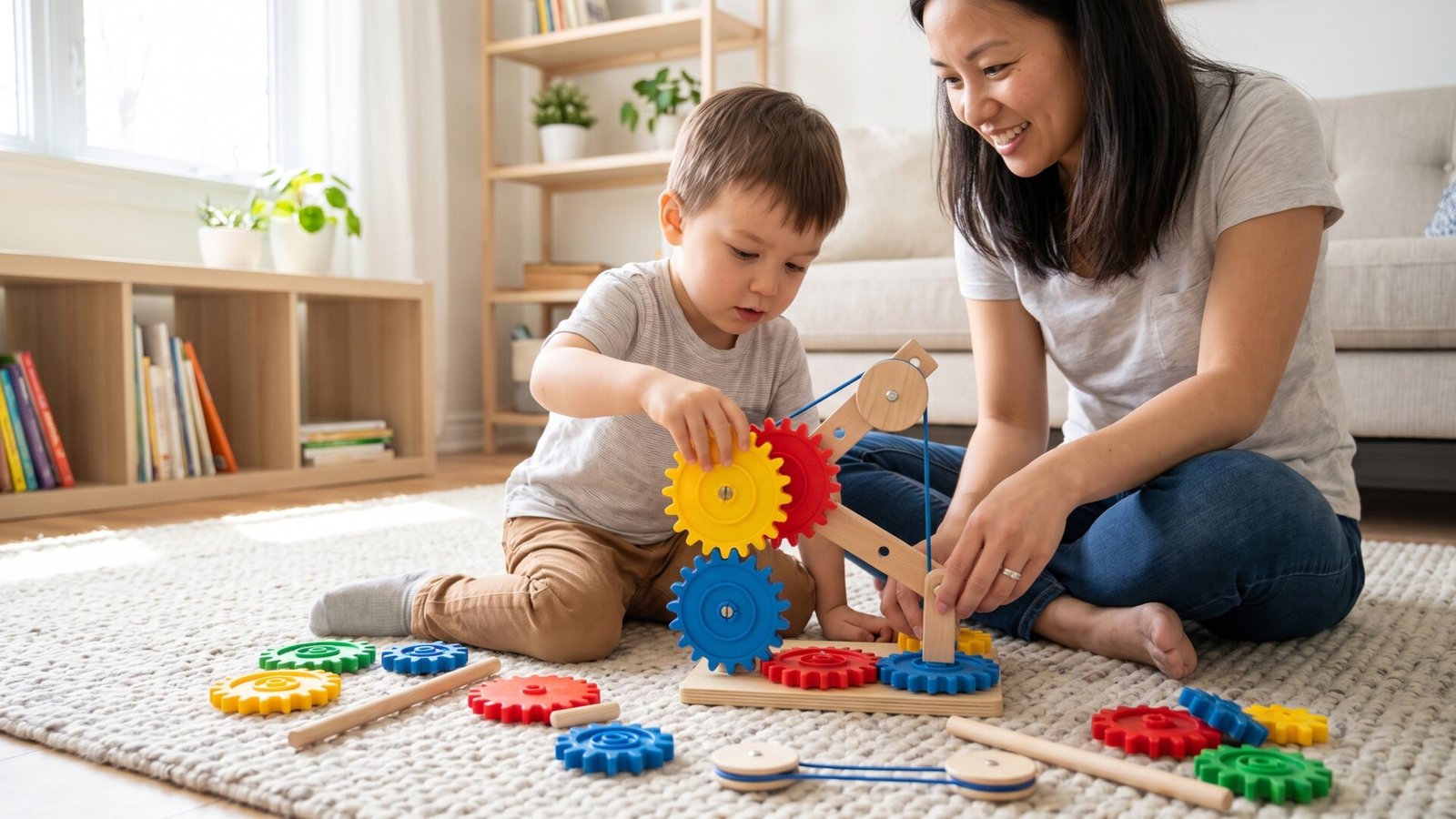
- Introducing gears, pulleys, levers, and wheels develops understanding of mechanical advantage.
- Toys like gear sets or basic robot kits allow children to manipulate forces to achieve goals.
5. Problem-Solving and Iteration
- Children learn to test solutions, notice flaws, and improve designs.
- Trial and error is encouraged, helping children see failure as a step in the learning process.
Age-Based Engineering Toy Recommendations
Toddlers (1–3 Years)
Focus: Exploration, stacking, and basic cause-and-effect
Toys:
- Stacking Blocks: Wooden or foam blocks to explore balance and stability
- Shape Sorters: Understanding how shapes fit together
- Simple Ramps and Rollers: Dropping balls or cars to see motion and gravity in action
Parent Tips:
- Ask guiding questions: “What happens if we put this block on top?”
- Celebrate successes and efforts equally to encourage confidence
Preschoolers (3–5 Years)
Focus: Building, designing, and experimenting
Toys:
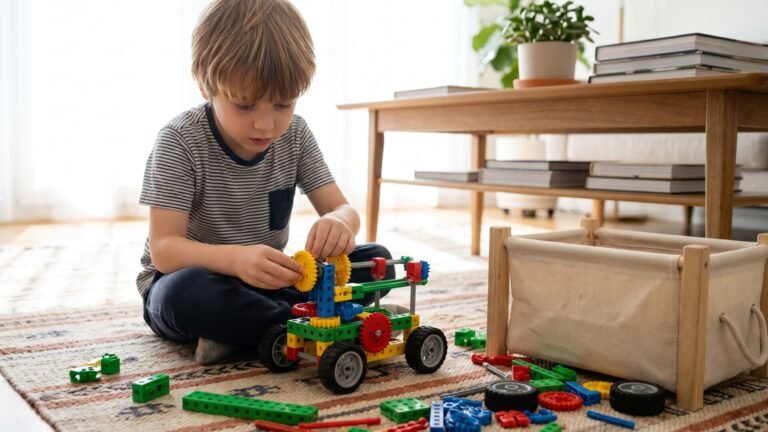
- LEGO Duplo or Mega Bloks: Larger bricks for building towers, bridges, and simple vehicles
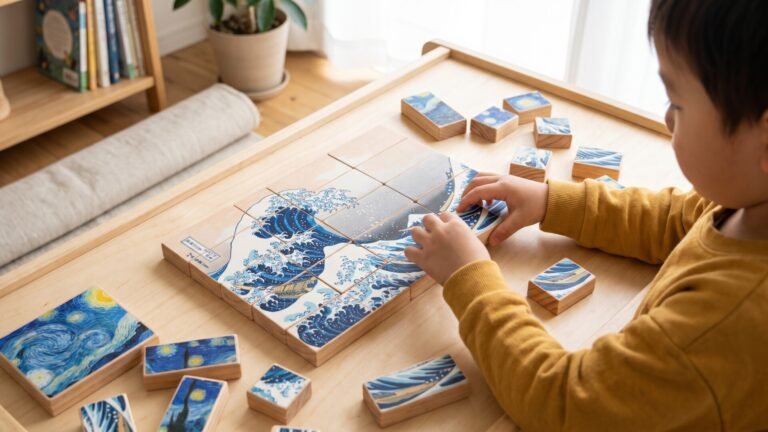
- Magnetic Tiles: Explore connection, balance, and symmetry
- Simple Gear Kits: Introduce rotational motion and cause-and-effect
Parent Tips:
- Encourage hypothesis testing: “Do you think the bridge will hold the toy car?”
- Let children explore freely; avoid correcting designs too soon
Early Elementary (6–8 Years)
Focus: Applied problem-solving and design thinking
Toys:
- Marble Runs and Roller Coasters: Teach motion, gravity, and planning
- Engineering Construction Kits: Build towers, bridges, and vehicles using interlocking pieces
- LEGO Classic or STEM Kits: Incorporate building challenges and instruction-based designs
Parent Tips:
- Challenge children with goals: “Build the tallest tower that won’t fall”
- Encourage reflection: “Why do you think it fell?”
Upper Elementary (9–12 Years)
Focus: Advanced problem-solving, gears, levers, and robotics
Toys:
- Advanced Robotics Kits: LEGO Mindstorms, simple Arduino kits
- STEM Challenge Kits: Catapults, bridge-building, and vehicle engineering
- Gears and Pulley Sets: Explore mechanical advantage and simple machines
Parent Tips:
- Encourage iteration: Test, redesign, and retest projects
- Introduce collaboration: Work with siblings or friends on group projects
Tips for Encouraging Engineering Play at Home
1. Provide Open-Ended Materials
- Blocks, connectors, magnetic tiles, and cardboard are all versatile materials for exploration.
- Avoid toys that restrict imagination to one model; open-ended play fosters creativity.
2. Encourage Trial and Error
- Let children experiment and fail safely.
- Use questions to guide learning rather than giving solutions: “What else could make it stronger?”
3. Integrate Everyday Objects
- Household items like paper cups, straws, or cardboard boxes can teach engineering principles.
- Encourage stacking, balancing, and building challenges using safe items.
4. Observe and Scaffold
- Watch how your child experiments.
- Offer small hints or challenges without taking over the project.
5. Celebrate Creativity
- Emphasize creative problem-solving, not just achieving the intended outcome.
- Praise curiosity, patience, and persistence.
DIY Engineering Activities
You can introduce engineering concepts at home without buying expensive kits:
1. Cardboard Bridges
- Use cardboard and tape to create a bridge between two chairs.
- Test how much weight it can hold using toys or books.
2. Paper Cup Towers
- Stack paper cups to explore balance and stability.
- Challenge your child to build the tallest structure without it falling.
3. Marble Runs
- Use paper tubes, cardboard, or tracks to design pathways for rolling marbles.
- Discuss speed, gravity, and angles.
4. Simple Machines Exploration
- Create a pulley system with string and a small bucket.
- Demonstrate levers using rulers and small weights.
5. DIY Vehicles
- Build cars or boats from recyclable materials.
- Test motion, stability, and propulsion with household experiments.
Benefits of Engineering Play
1. Cognitive Development
- Enhances spatial reasoning, planning, and problem-solving skills.
2. Fine Motor Skills
- Manipulating small parts, blocks, and connectors strengthens hand-eye coordination.
3. Creativity and Imagination
- Open-ended construction encourages inventive thinking.
4. Emotional Growth
- Children learn patience, persistence, and resilience through trial-and-error play.
5. Early STEM Foundation
- Engineering toys develop skills that support later learning in math, science, and technology.
Parent Tips for Maximizing Learning
- Rotate Toys: Keep interest high and explore different engineering challenges.
- Set Challenges: Introduce goals like “build a bridge for this toy car.”
- Collaborate: Build together or encourage group projects to teach teamwork.
- Discuss Real-World Applications: Talk about bridges, buildings, or machines in everyday life.
- Reflect: Ask questions about what worked, what failed, and why.
Recommended Engineering Toys
Here are parent-approved engineering toys suitable for different ages:
- LEGO Duplo / Classic LEGO Sets – Open-ended construction for toddlers to early elementary
- Magnetic Tiles – Build towers, structures, and explore symmetry
- Marble Runs / Roller Coasters – Cause-and-effect and motion exploration
- Gear and Pulley Kits – Introduce mechanical advantage
- STEM Construction Kits – Bridges, vehicles, and building challenges
- Robotics Kits – LEGO Mindstorms, beginner Arduino kits for older children
- K’NEX Building Sets – Engineering and structural design challenges
STEM Through Play: Making Engineering Accessible
Engineering concepts don’t have to be abstract or complicated. With the right toys and activities, children can explore physics, mechanics, and problem-solving through play. Parents can make engineering fun and approachable by:
- Using open-ended materials
- Encouraging experimentation and reflection
- Integrating play into everyday life and challenges
Key Takeaways
- Early engineering play develops problem-solving, spatial reasoning, creativity, and fine motor skills.
- Age-appropriate toys make engineering accessible and fun.
- Hands-on exploration, trial-and-error, and guided reflection support lifelong STEM skills.
- DIY activities and household objects can also introduce engineering principles without expensive kits.
- Combining play with guidance and reflection helps children understand real-world applications of engineering concepts.
With intentional play and the right tools, parents can turn everyday play into a foundation for future STEM learning, making engineering concepts approachable, exciting, and engaging from an early age.